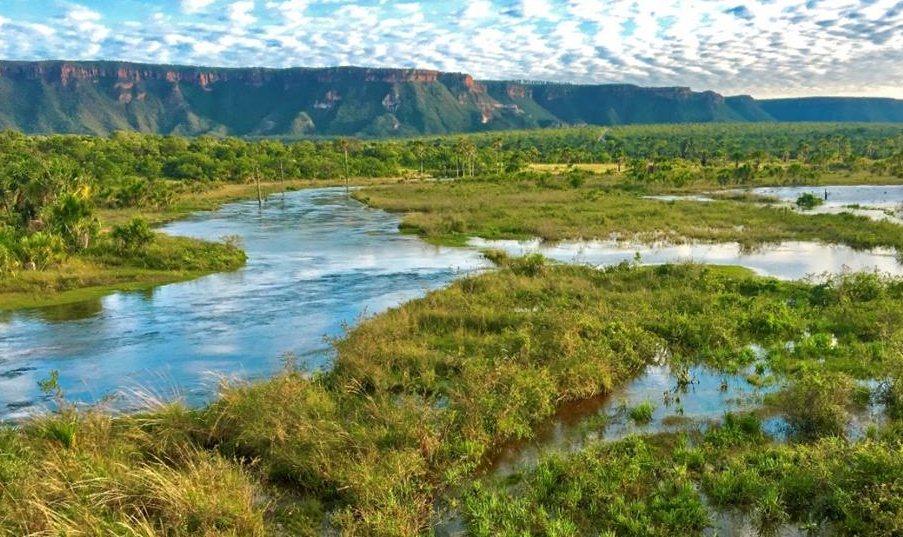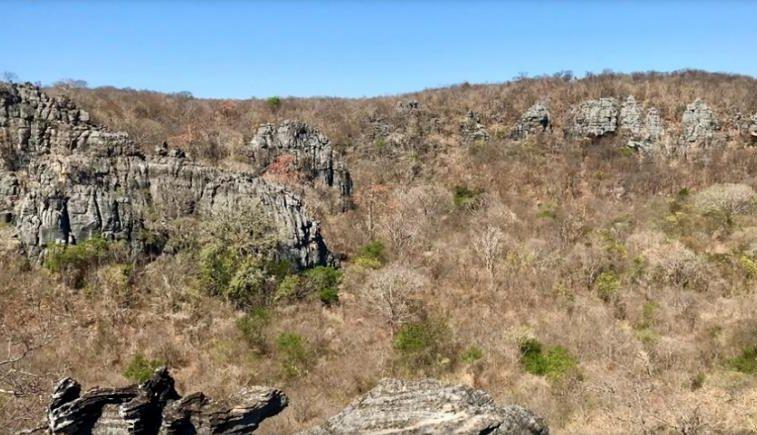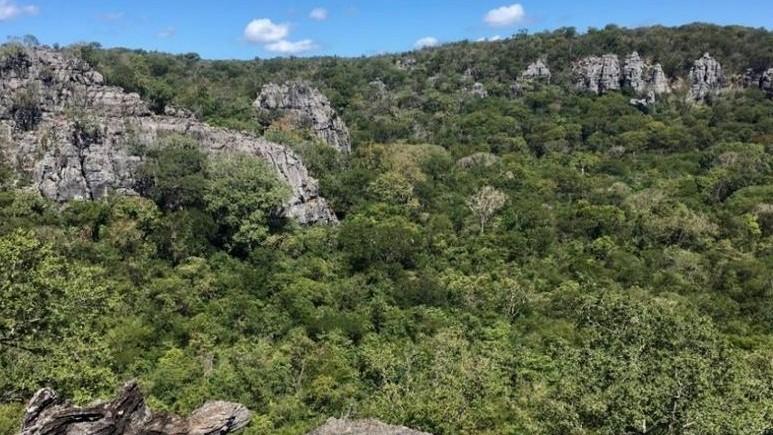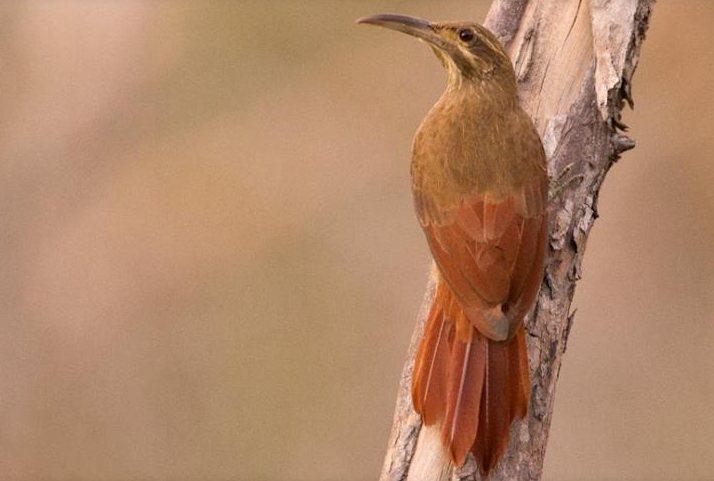
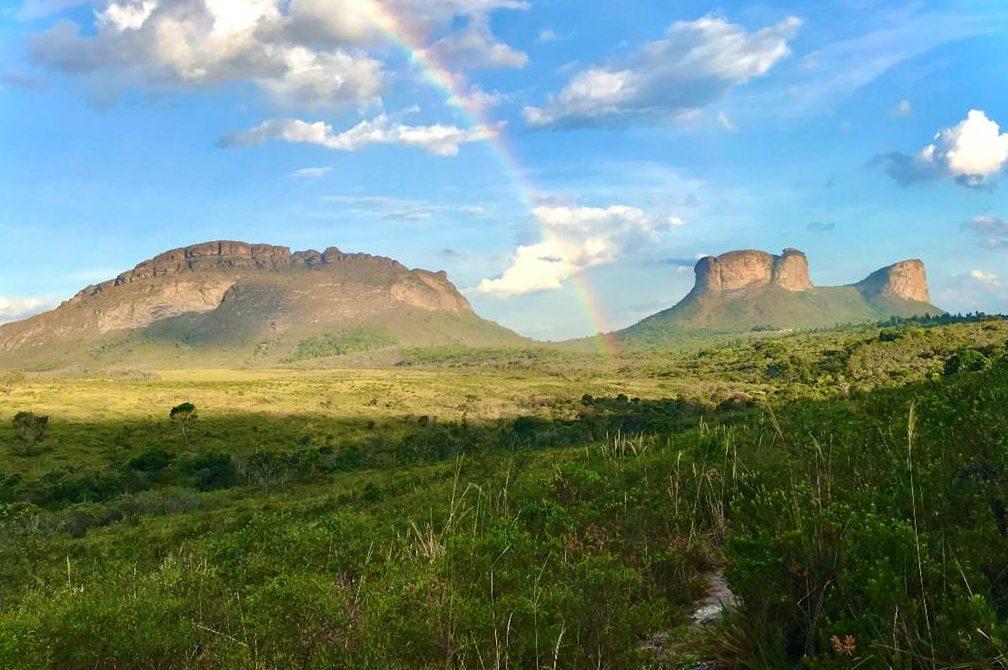
Northeast + Southeast + South
Sample custom itinerary

Northeast + Southeast + South

Over 7,000 km from north to south in search of Brazil's rarest birds

23 days

Duration

Northeast, Southeast & South Brazil

Region

11 states

Brazil

About this itinerary

On this challenging tour we drive over 7,000 km in only 23 days, going from north to south of Brazil looking for some of the rarest birds in the world.

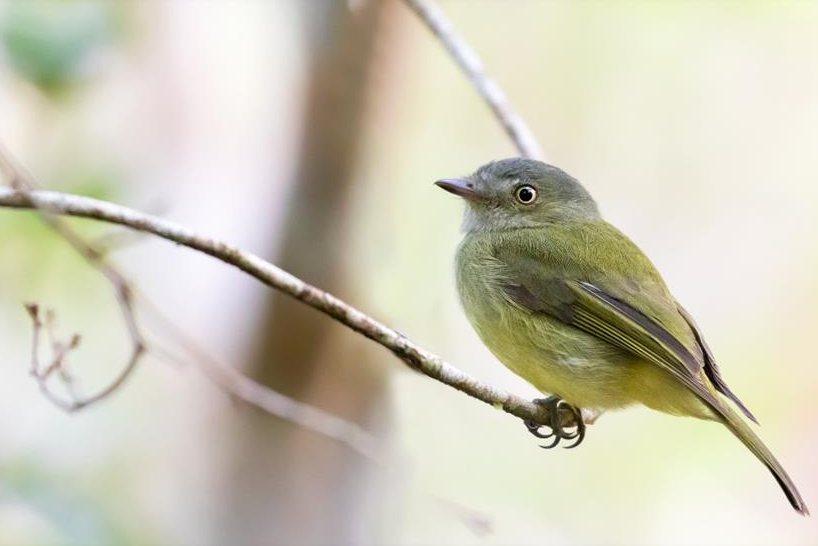
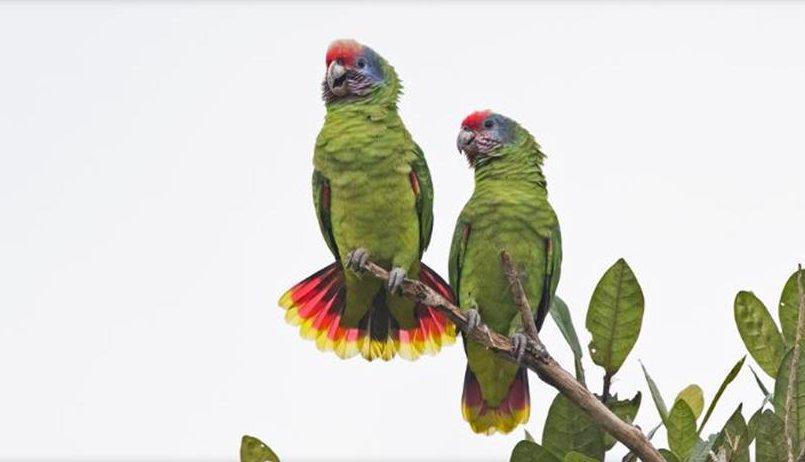
We begin in the far east of the Northeast, looking for some of the rarest birds in Brazil such as Alagoas Antwren, Alagoas Black-throated Trogon and Alagoas Screech-Owl, and finish all the way down in Rio Grande do Sul with South Brazilian specialties such as Kaempfer’s Tody-Tyrant, Restinga Tyrannulet and Red-spectacled Parrot.

  • Pernambuco
  • Alagoas
  • Sergipe
  • Bahia
  • Goiás
  • Minas Gerais
  • Espírito Santo
  • Rio de Janeiro
  • São Paulo
  • Santa Catarina
  • Rio Grande do Sul

The route

Where we go

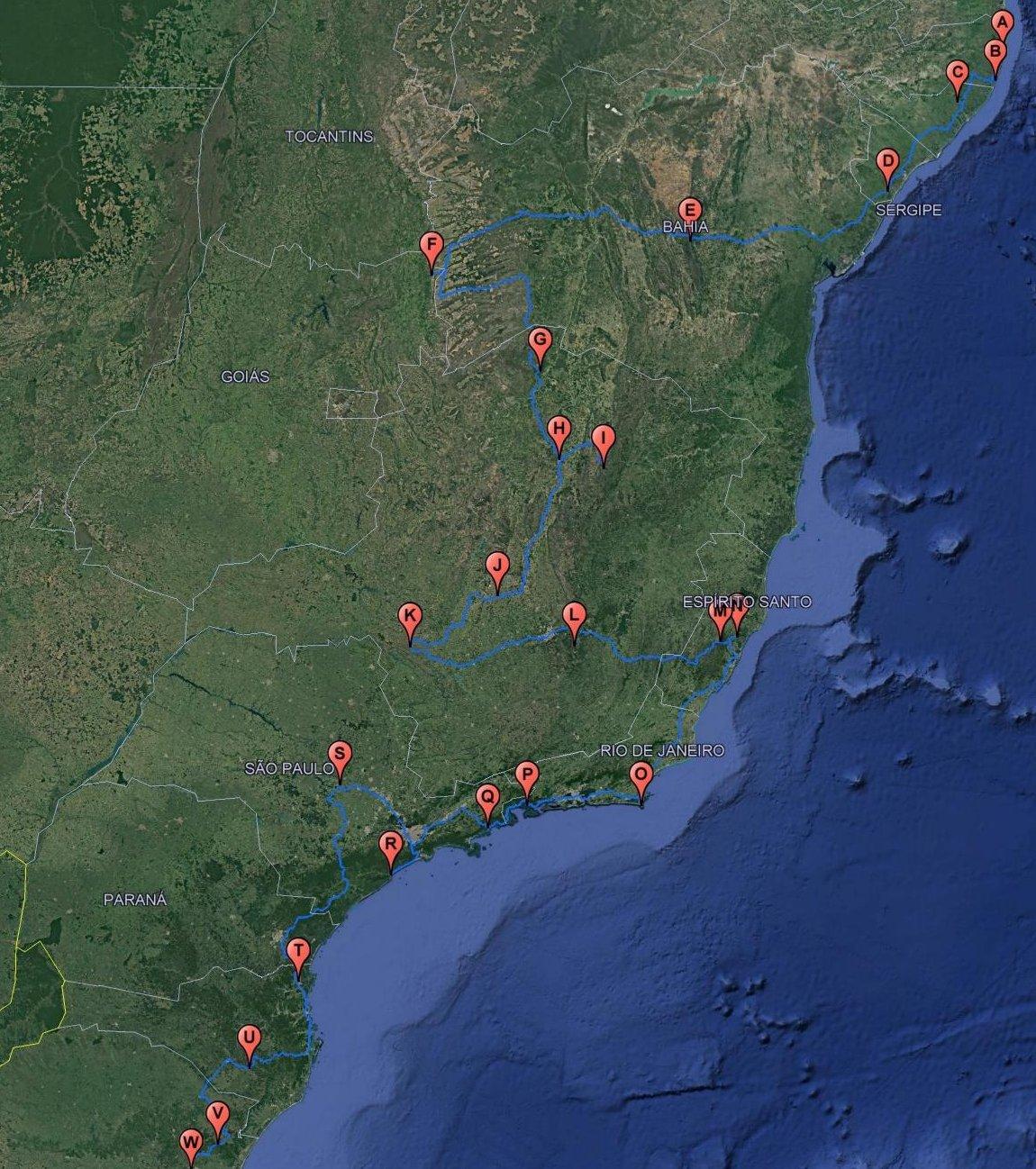
Northeast + Southeast + South route map

Recife (A), Tamandaré (B), Murici (C), Estância (D), Lençóis (E), São Domingos (F), Peruaçu National Park (G), Montes Claros (H), Botumirim (I), Pompéu (J), Canastra National Park (K) Caraça Sanctuary (L), Santa Teresa (M), Aracruz (N), Arraial do Cabo (O), Angra dos Reis (P), Ubatuba (Q), Peruíbe (R), Tanquan (S), Joinville (T), Urupema (U), São Francisco de Paula (V), Porto Alegre (W).

Show day-by-day summary
DayRoutePlan
1Recife - Tamandaré (110km)Arrival and transfer
2Tamandaré - Murici (200km)AM Birding and transfer
3Murici - Estância (350km)AM Birding and transfer
4Estância - Lençóis (550km)AM Birding and transfer
5Lençóis (Chapada Diamantina)AM and PM Birding
6Lençóis - São Domingos (700km)Transfer. PM Birding
7São Domingos - Peruaçu NP (540km)AM Birding. Transfer. PM Birding
8Peruaçu NP - Montes Claros (240km)AM Birding. Transfer. PM Birding
9Montes Claros - Botumirim (180km)AM Birding. Transfer. PM Birding
10BotumirimAM and PM Birding
11Botumirim - Pompéu (540km)Transfer. PM Birding
12Pompéu – Serra da Canastra NP (270km)AM Birding. Transfer. PM Birding
13Serra da Canastra National ParkAM and PM Birding
14Canastra NP – Caraça Sanctuary (440km)Transfer. PM Birding
15Caraça Sanctuary - Santa Teresa (500km)AM Birding. Transfer. PM Birding
16S. Teresa - Aracruz - Arraial do Cabo (600km)Transfer. AM and PM Birding
17A.C. - Angra dos Reis - Ubatuba (450km)Transfer. AM and PM Birding
18Ubatuba - Peruíbe (400km)Transfer. PM Birding
19Peruíbe - Piracicaba/Tanquan (315km)AM Birding. Transfer.
20Piracicaba/Tanquan - Joinville (660km)AM Birding. Transfer. PM Birding
21Joinville - Urupema (370km)AM Birding. Transfer
22Urupema – São Francisco de Paula (350km)AM and PM Birding
23São Francisco de Paula – Porto Alegre (120km)Transfer and Departure

Day by day

The detailed itinerary

Day
1

Recife - Tamandaré

Arrival in Recife and transfer to Tamandaré (+/-2hrs [110Km]). Sleep in the town of Tamandaré.

Read more · 2 photos

The area

a coastal town about 100 km south of Recife, the capital of Pernambuco. It will be our base to bird some lowland Atlantic Forest fragments and marshes nearby.

Target birds

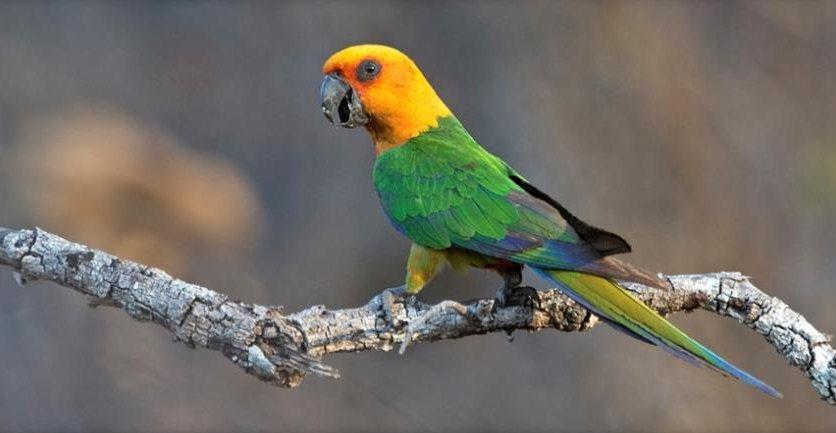
our two main targets here will be Forbes’s Blackbird (Curaeus forbesi) and Jandaya Parakeet (Aratinga jandaya). We also have our first chances to look for some very rare targets like White-collared Kite (Leptodon forbesi), Golden-tailed Parrotlet (Touit surdus), Yellow-faced Siskin (Spinus yarrellii) and Pinto’s Spinetail (Synallaxis infuscata).
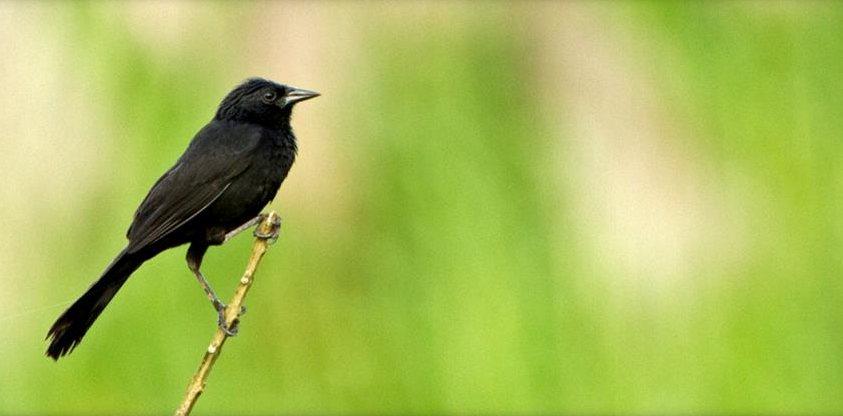
Forbes’s Blackbird
Forbes’s Blackbird
Jandaya Parakeet
Jandaya Parakeet
Day
2

Tamandaré - Murici

AM Birding in Tamandaré and transfer to União dos Palmares, where we will be based to bird in Murici Ecological Station the next day (+/-3hrs [200Km]).

Read more · 2 photos

The area

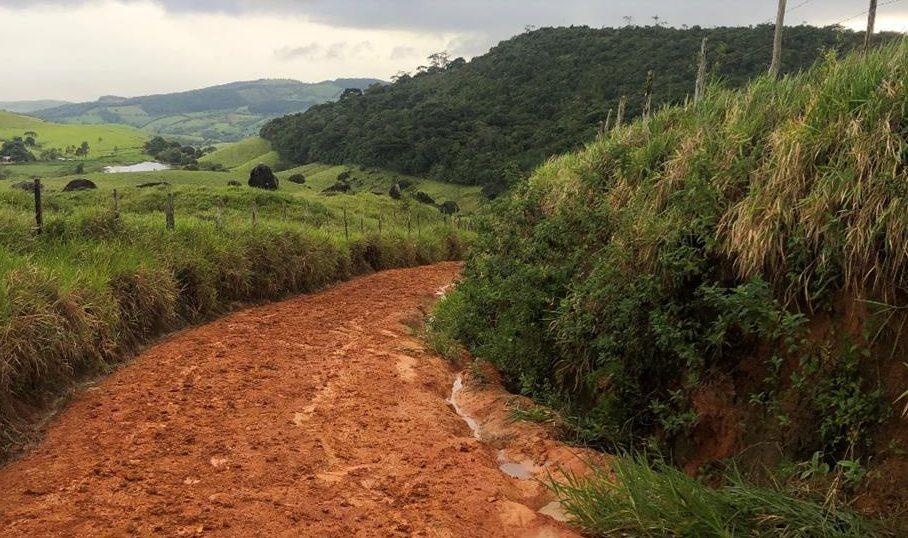
this is the largest forest remnant in the Pce. With an area of 6.116 hectares of fragmented patches, the reserve is part of the Borborema Plateau, situated in the northwest region of the State of Alagoas. If it rains, the roads to the reserve could be dangerous (muddy and slippery) even with the 4x4 cars we will be using. Let’s cross our fingers for NO rain! We have had terrible experiences here due to rain and it is not guaranteed that we will arrive at our destination in case it is raining. We will evaluate each situation in the field to see the realistic possibilities we have. We ask for patience and comprehension. The difficulty to reach this location is compensated by the possibility of seeing some of the rarest birds in Brazil (and the world)! However, the birding here is not easy. The birds are in fact extremely rare, with low population densities. Sorry if this all sounds a bit discouraging but this is the reality we face. Unless the Alagoas Antwren, the Pernambuco Foliage-Gleaner and the recently described (2021) Alagoas Black-throated Trogon are extremely wanted birds, you can skip this location and all other species mentioned could be seen elsewhere.

Target birds

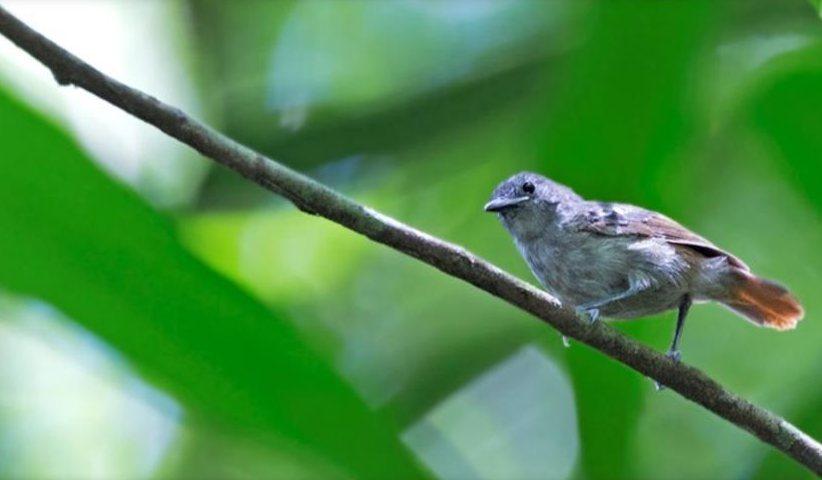
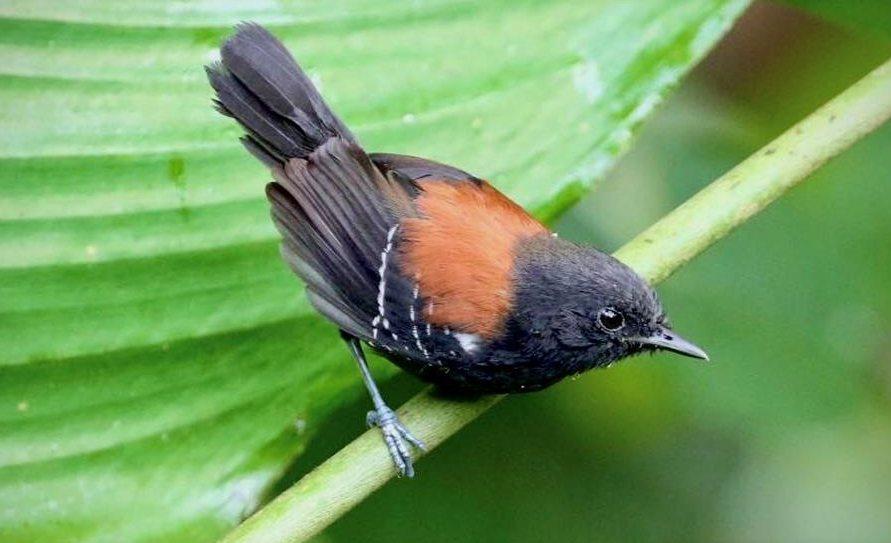
the most important bird for us to see here is the Alagoas Antwren (Myrmotherula snowi). With population constantly decreasing, Murici is currently the only place that it could still be found and each year it is getting more and more difficult to see this critically endangered species that, according to scientific research, is down to a population of less than 20 individuals! We will certainly do our best to find it. Other species with such a difficulty level and that we will pay special attention is the Pernambuco Foliage-gleaner (Automolus lammi), Alagoas Screech-Owl (Megascops alagoensis) and the Alagoas Blackthroated Trogon (Trogon muriciensis), never easy targets. Here we will have our second chances for other extremely range-restricted endemics: White-collared Kite (Leptodon forbesi) and Golden-tailed Parrotlet (Touit surdus). Although not in the same level of importance but that we will also be aware to look for is the Ceara Woodcreeper (Xiphorhynchus atlanticus) In the first 2 days, we will be birding in the Pernambuco Center of Endemism (Pce), a part of the Atlantic Forest situated north of the São Francisco River. The Pce is the most threatened portion of the Atlantic Forest in Brazil (Less Than 2% of its original cover still remain) because of extensive sugar cane plantations and cattle ranching, which has sadly already taken some birds of this region to extinction: Alagoas Foliage-gleaner (last seen in 2011 in RPPN Frei Caneca), Cryptic Treehunter (last reported in 2007 in Murici Ecological Station), Pernambuco Pygmy-Owl (known only from 2 skins collected and 1 recording in one locality of the lowlands in Pernambuco state) and Alagoas Curassow (last seen in the wild in the mid-80’s).

Northeast + Southeast + South, Day 2
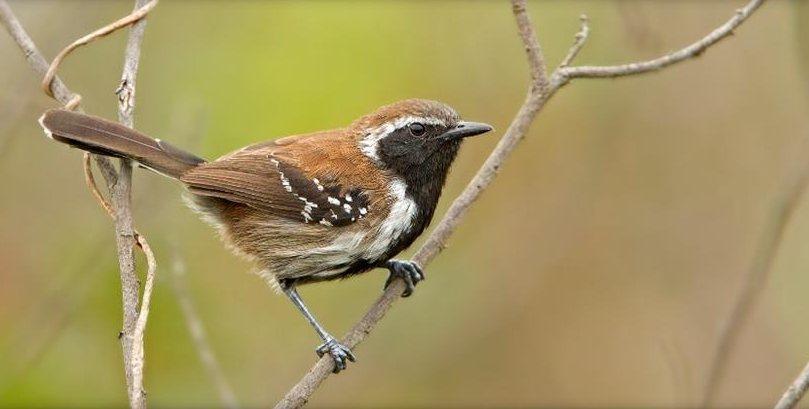
Alagoas Antwren
Alagoas Antwren
Day
3

Murici - Estância

AM Birding and transfer to Estância (Crasto Forest) (+/-6hrs [350Km]).

Read more · 1 photo

The area

we will go birding in a forest fragment near the coast, between the small village of Santa Luzia do Itanhy and the fisherman’s village of Crasto. With approximately 1.000 hectares, Crasto Forest is one of the largest forest fragments in the state of Sergipe and one of the only places where the Fringe-backed Fire-eye could still be found. Since we will be birding in the access road between the two villages mentioned above, there could be some traffic, so our idea here is to get straight to business trying to find the Fire-eye.

Target birds

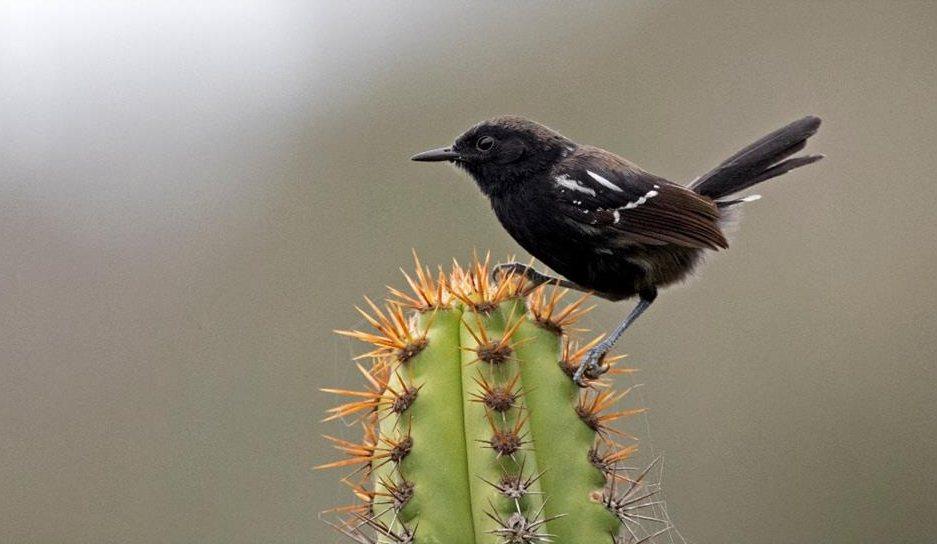
the highlight here is the Fringe-backed Fire-eye (Pyriglena atra). Other targets include Mangrove Rail (Rallus longirostris) and Stripe-necked Tody-Tyrant (Hemitriccus striaticollis).

Fringe-backed Fire-eye
Days
4

Estância - Lençóis

AM Birding and transfer to Chapada Diamantina in the cozy town of Lençóis (+/-8hrs [550Km]).

Read more · 2 photos

The area

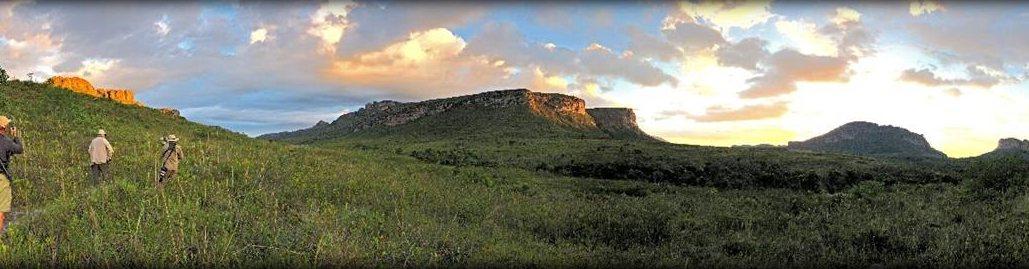
certainly, one of the most impressing places in Brazil, the landscapes are astonishing. Chapada Diamantina is part of a long series of highlands linked to the Espinhaço mountain range, which extend from north of Minas Gerais through Bahia. There is a high diversity of habitats such as Caatinga, Cerrado, Campo Rupestre (arid mountain shrubs), Humid and Gallery Forests and, along with that, of course, a high diversity of birds (almost 400 species). Most of these beautiful landscapes and pristine habitat are part of the Chapada Diamatina National Park which protects, by law, 152.000 hectares. Because of the scenic views, preserved habitat, and waterfalls, this is one of the most visited places in the state of Bahia by tourists willing to connect with nature.

Target birds

although the Chapada Diamantina area has many interesting endemics such as the Hooded Visorbearer (Augastes lumachella), Sincorá Antwren (Formicivora grantsaui) and Diamantina Tapaculo (Scytalopus diamantinensis), the last two described to science just in 2007, our main objective here is to connect eastern Brazil with São Domingos. And while we are at it, we will look for 4 of your targets here: Collared Crescentchest (Melanopareia torquata), Sibilant Sirystes (Sirystes sibilator), Small-headed Elaenia (Elaenia sordida) and Copper Seedeater (Sporophila bouvreuil).

Northeast + Southeast + South, Days 4
Day
5

Lençóis (Chapada Diamantina)

AM and PM Birding in Chapada Diamantina.

Read more · 2 photos

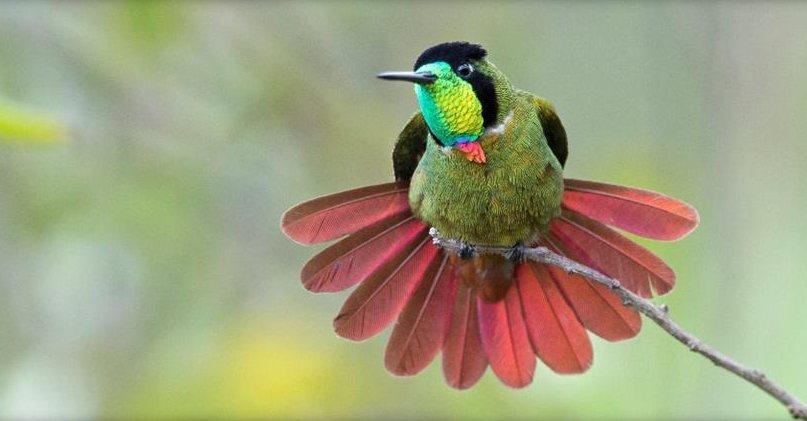
Hooded Visorbearer
Hooded Visorbearer
Northeast + Southeast + South, Day 5
Day
6

Lençóis - São Domingos

Transfer right after breakfast to São Domingos, in the state of Goiás (+/-9hrs [700Km]).

Read more · 3 photos

The area

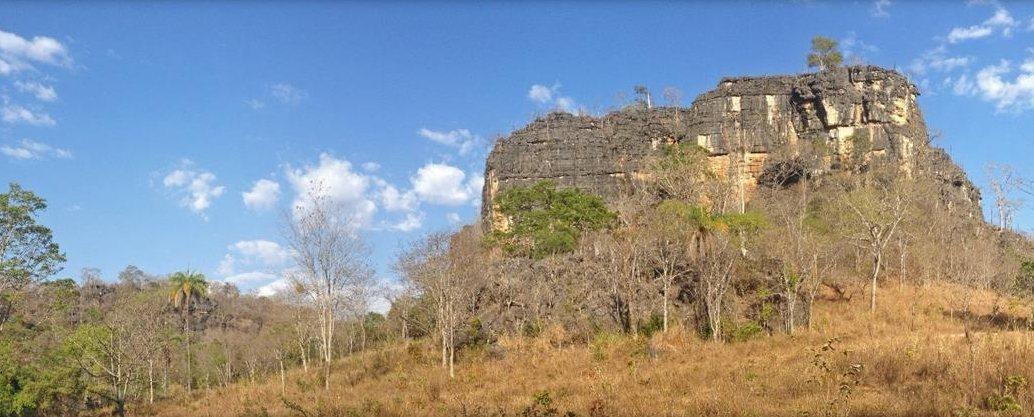
the town of São Domingos is located in the foothills of the Serra Geral Mountain Range, a natural border between the states of Bahia and Goiás. Inside the political boundaries of this small town is the Terra Ronca State Park with approximately 57.000 hectares that protects natural Cerrado, Dry and Gallery Forest habitats and fundamental water sources. A marking feature of this region is the deciduous or semideciduous dry forest growing on limestone outcrops or limestone-derived soils. And it’s in this specific habitat that the Pfrimer’s Parakeet lives in the forested slopes of the limestone cliffs. One of the largest speleological complexes in Brazil, there are numerous caves with clear subterranean rivers running through, which, all combined, makes the Park a quite pleasing scenario for the eyes. We will also be birding outside of the State Park, in Cerrado and Gallery Forest habitats to look for other targets.

Target birds

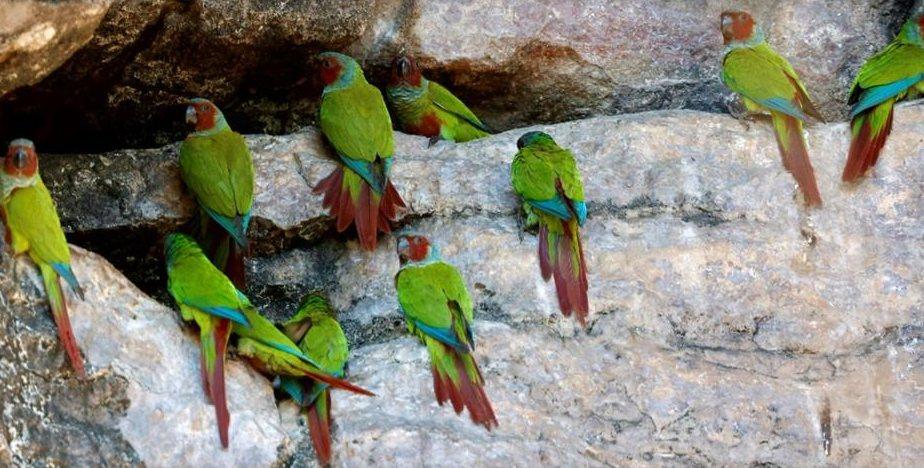
The main reason we come to this faraway location is because this is one of the only places where the Pfrimer's Parakeet (Pyrrhura pfrimeri) could be found. In this dry forest/limestone area, we will also have chances of seeing the Jandaya Parakeet (Aratinga jandaya), Chestnut-capped Foliage-gleaner (Clibanornis rectirostris).

Northeast + Southeast + South, Day 6
Pfrimer’s Parakeet
Pfrimer’s Parakeet
Northeast + Southeast + South, Day 6
Day
7

São Domingos - Peruaçu NP

AM Birding in São Domingos and transfer to Cavernas do Peruaçu National Park (Itacarambi-MG), in the state of Minas Gerais (+/-8hrs [540Km]). PM Birding.

Read more · 4 photos

The area

created in 1999, the Cavernas do Peruaçu National Park protects 56.400 hectares of mainly Dry Forest and Caatinga habitats. The region is full of caves with ancient rock (cave) paintings. The Janelão (big window) cave is the most famous. The park is near the famous São Francisco River, where we will visit on arrival day to try for one of our main targets, the Bahian Nighthawk. We will stay in a small pousada managed by a local family, near the entrance of the National Park.

Target birds

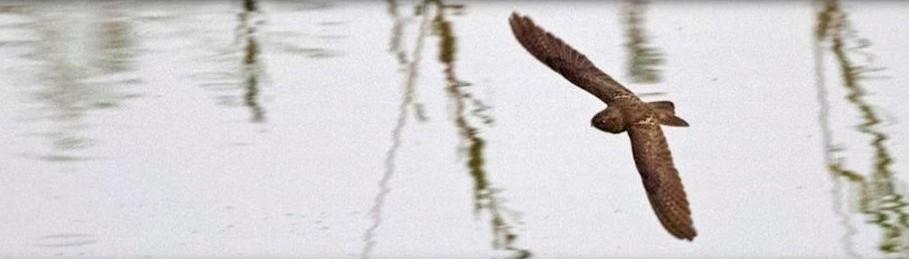
one of our highlights here is the endemic and range-restricted Bahian Nighthawk (Nyctiprogne vielliardi), which is always more abundant when the river’s water level is low (August-November). We will observe this species in the end of the day, in the last rays of light, flying over the São Francisco River. Inside the National Park, our main target is the rare Moustached Woodcreeper (Xiphocolaptes falcirostris). Here, we will also have our first chances to look for Caatinga Black-Tyrant (Knipolegus franciscanus), Ash-throated Casiornis (Casiornis fuscus) and Ochre-backed Woodpecker (Celeus ochraceus).

Northeast + Southeast + South, Day 7
Moustached Woodcreeper
Bahian Nighthawk
Bahian Nighthawk
Day
8

Peruaçu NP - Montes Claros

AM Birding in Cavernas do Peruaçu NP and transfer to Montes Claros (+/3hrs [240Km]), where we will bird PM at Lapa Grande State Park.

Read more · 2 photos

The area

the Lapa Grande State Park comprises 15.320 hectares of Dry-Forest vegetation associated with limestone, which aims to protect and conserve the complex of caves and the main sources of water supply for the community of Montes Claros. Here we will stay in a hotel downtown, about thirty minutes away from the State Park.

Target birds

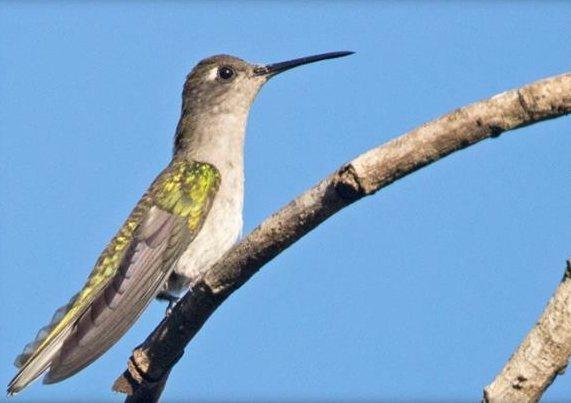
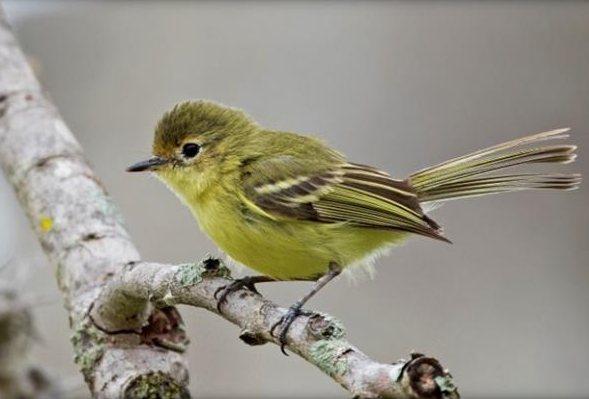
this is a stop to look for some very interesting and rare dry-forest birds such as Reiser’s Tyrannulet (Phyllomyias reiseri), Minas Gerais Tyrannulet (Phylloscartes roquettei), São Francisco Sparrow (Arremon franciscanus), Caatinga Black-Tyrant (Knipolegus franciscanus), Chestnut-capped Foliage-gleaner (Clibanornis rectirostris) and the Dry-forest Sabrewing (Campylopterus calcirupicola), just recently described (2017) to science as a new species.

Dry-forest Sabrewing
Minas Gerais Tyrannulet
Day
9

Montes Claros - Botumirim

AM Birding in Montes Claros if needed and transfer to Botumirim (+/3hrs [180Km]). PM Birding.

Read more · 1 photo

The area

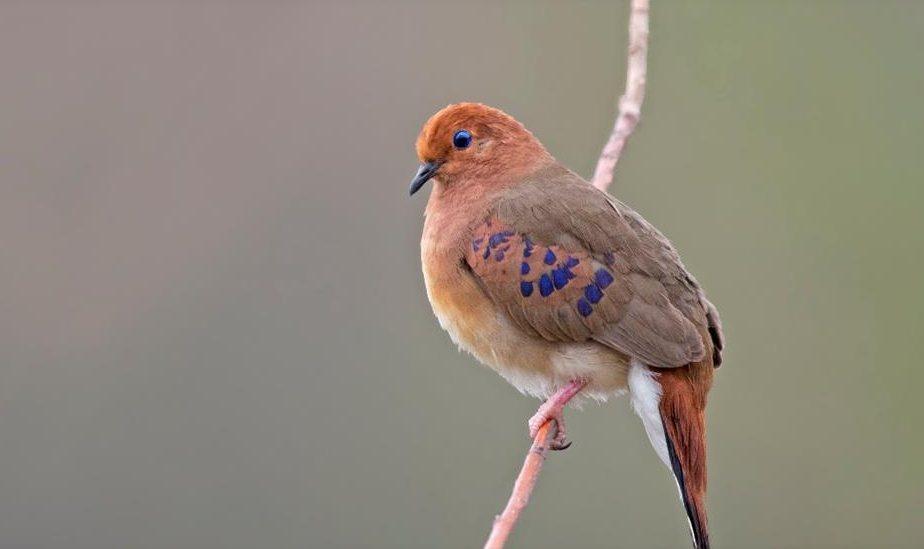
how could we talk about Botumirim without talking about the rediscovery of the Blue-eyed Ground-Dove, one of the most exciting findings of the century! In 2015, a good friend of ours, Rafael Bessa, was on an environmental consultancy in the Botumirim area. As usual, when we do this type of work, we have designated coordinates to go for the bird surveys. To get to one of the coordinates, Rafael decided to take a shortcut and passed exactly in front of what is today the Blue-eyed Ground-Dove Nature Reserve. He told us he was astonished with that beautiful and somewhat different habitat that grasped his attention. Although curiosity had already aroused, he could not stop since he had to get to the coordinate to proceed with the surveys. As soon as the field campaign finished, Rafael decided to visit that interesting location early the next day. As soon as he jumped out of the car, he heard something quite different, that sounded a bit like a frog, but not quite: surely something he had never heard before, so he decided to record the vocalization and play it back to reel in the thing that was making that sound. As soon as he played it back, the Blue-eyed Ground-Dove instantly jumped right in front of him. Rumors say that he could hardly hold in his physiological needs… Today, this species is still only found in Botumirim and one of the main areas where the Ground-Doves live is a Nature Reserve managed by Brazilian NGO Save Brasil. The Reserve, together with the Botumirim State Park, protect an area of 35.000 hectares of preserved Cerrado and Campo Rupestre. Botumirim is a very interesting area of ecotones; here we can find Caatinga, Cerrado and Atlantic Forest specialties.

Target birds

It is obvious that our main target here will be the Blue-eyed Ground-Dove (Columbina cyanopis). The Ground-Dove is critically endangered and an extremely sensitive species, therefore it is prohibited to use playback. But with patience, as the territories are well-known, we have very good chances of seeing this beautiful bird. Since we will be in the Espinhaço Mountain Range, there will be another target associated with this rocky environment: Cinereous Warbling-Finch (Microspingus cinereus). There are a few other interesting species that we might see such as Copper Seedeater (Sporophila bouvreuil), Chesnut-capped Foliage-gleaner (Clibanornis rectirostris) and with plenty of luck we might even see the enigmatic Russet-mantled Foliage-gleaner (Syndactyla dimidiata).

Blue-eyed Ground Dove
Day
10

Botumirim

AM and PM Birding in Botumirim.

Day
11

Botumirim - Pompéu

Transfer to Pompéu (+/-9hrs [540Km]). PM Birding if we have time.

Read more · 1 photo

The area

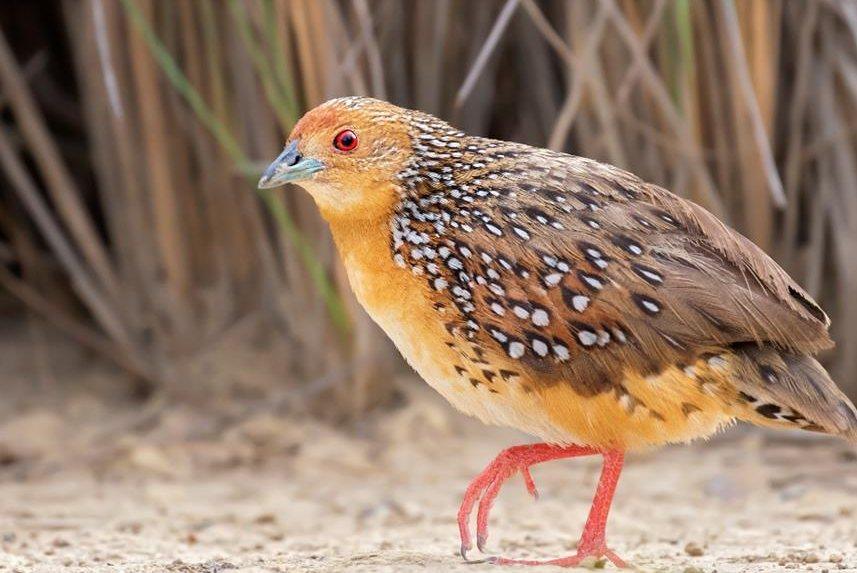
This is the crake paradise in Brazil. Two brothers, the “Pompeu Twins”, have been taming quite a few species of crakes. As of today, we have good opportunities of seeing some “true ghosts” such as: Ocellated Crake (Micropygia schomburgkii) and Paintbilled Crake (Neocrex erythropus). Unfortunately, the Rufous-faced Crake (Laterallus xenopterus) has recently “gone missing”. Let’s cross our fingers and hope that the brothers find another one until then. Unlike “Serra da Canastra” or “Serra do Cipó”, the habitat here is not protected. We will cover long distances of degraded habitat from our hotel, based inside town, to go from patch to patch of good preserved cerrado looking for the specific targets we need.

Target birds

besides the ghostly crakes mentioned above, here are other species we will look for: Black-masked Finch (Coryphaspiza melanotis) and Lesser Nothura (Nothura minor).

Ocellated Crake
Ocellated Crake
Day
12

Pompéu – Serra da Canastra NP

AM Birding and transfer to Serra da Canastra (São Roque de MinasMG) (+/-5 ½hrs [270Km]). PM Birding.

Read more · 1 photo

The area

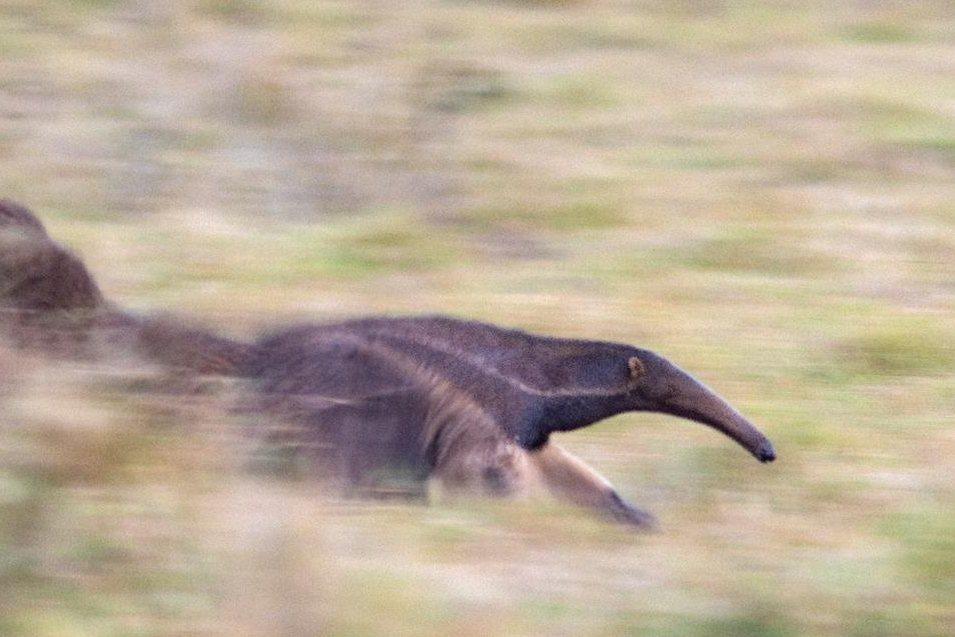
The Serra da Canastra National Park, in southwest of Minas Gerais, has some of the most breathtaking and undiscovered landscapes in Brazil. It has almost 200.000 hectares and covers 6 municipalities: São Roque de Minas, Vargem Bonita, Sacramento, Delfinópolis, São João Batista do Glória and Capitólio. We will be based in São Roque de Minas. The region is the cradle of many rivers that help form the São Francisco and Paraná basins. The landscape alternates between rocky fields (campo rupestre) full of delicate flowers, typical cerrado (open grasslands, wooded savanna, typical savanna) and gallery forests with lush Atlantic vegetation. It is in these environments that endangered animals, such as the Giant Anteater (Myrmecophaga tridactyla), Maned Wolf (Chrysocyon brachyurus), Giant Armadillo (Priodontes maximus) and the Brazilian Merganser (Mergus octosetaceus) are protected. Our main target here is, of course, the Brazilian Merganser and our first day will be solely dedicated to finding it. Depending on local up-to-date information, the guide will decide if the group will begin the search in the lowlands or highlands. Due to its rarity and sensibility, it is forbidden to use playback for the merganser.

Target birds

here you basically have one species to see: the super difficult Dwarf Tinamou (Taoniscus nanus). We shouldn’t count on that one though. Other species that we will have second chances include: Black-masked Finch (Coryphaspiza melanotis), Cinereous WarblingFinch (Microspingus cinereus) and Collared Crescentchest (Melanopareia torquata).

The strategy here is to choose one of its many territories/visiting/feeding areas and wait. Patience is key in this situation. Besides the merganser, there are several cerrado birds that we will have to look for in the highlands (plateau). To access this area of the park we will have to drive 8km in a treacherous dirt road until we reach the plateau. Entering the park, we will be birding on the main road looking for cerrado specialties.

Northeast + Southeast + South, Day 12
Day
13

Serra da Canastra National Park

AM and PM Birding in Serra da Canastra.

Day
14

Canastra NP – Caraça Sanctuary

Transfer to Caraça Sanctuary (Catas Altas-MG) (+/-8hrs [440Km]) for PM Birding.

Read more · 2 photos

The area

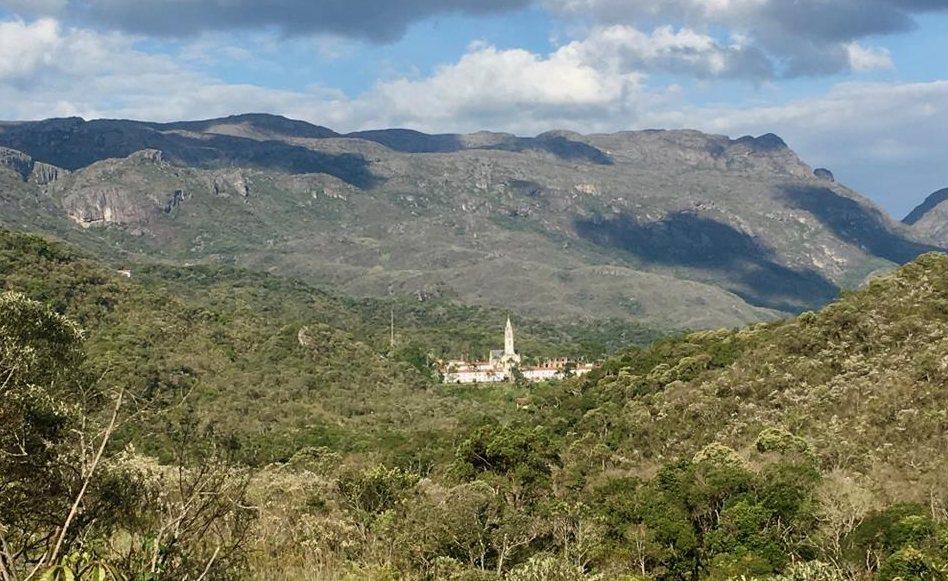
The “Santuário do Caraça” complex comprises about 11.000 hectares and it is property of the catholic church. It is a private reserve where the vegetation is characterized by its transition between Atlantic Forest and Cerrado, with outcrops of campo rupestre in higher altitudes. Due to these aspects, there is a rich biodiversity, including many mammals such as Maned Wolf (Chrysocyon brachyurus), Giant Anteater (Myrmecophaga tridactyla) and maybe some species of monkeys, like the Black-fronted Titi Monkey (Callicebus nigrifrons). This place is famous for its great architecture, cozy breakfast facility and, of course, the Maned Wolf that sometimes comes to feed close to the facilities in the evening. Here, we generally bird in altitudes ranging from 1200 to 1300 meters. The facilities where we sleep are practically inside the forest and the trails will be nearby.

Target birds

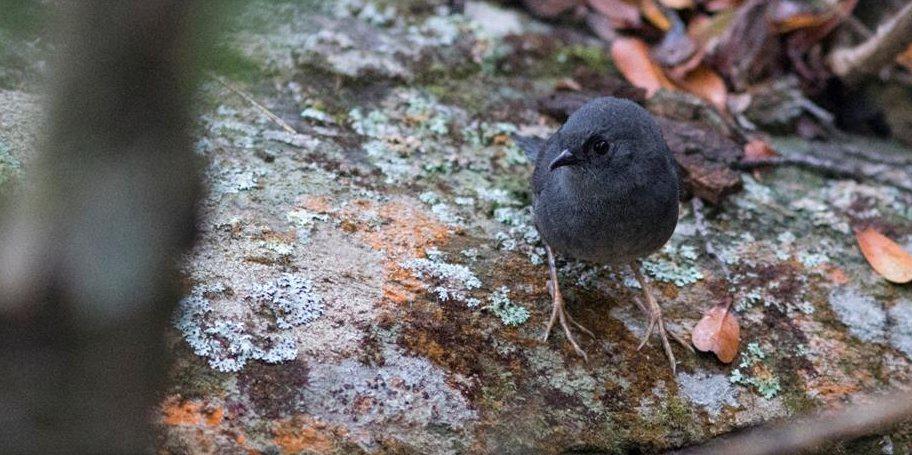
Our main target here is the Rock Tapaculo (Scytalopus petrophilus).

Northeast + Southeast + South, Day 14
Rock Tapaculo
Rock Tapaculo
Day
15

Caraça Sanctuary - Santa Teresa

AM Birding and transfer to Santa Teresa (+/-8hrs [500Km]), to try to see one specific target: Wied’s Tyrant-Manakin (Neopelma aurifrons). A species that is quite unreliable, but we will give it a good try in every single spot that we know. The ideal is that we arrive here for PM Birding and try to guarantee the Tyrant-Manakin so that early in the next day we transfer to do some birding along the drive.

Read more · 1 photo

Wied’s Tyrant-Manakin
Day
16

S. Teresa - Aracruz - Arraial do Cabo

Transfer to Arraial do Cabo (+/-9hrs [600Km]) specifically for the Restinga Antwren (Formicivora littoralis), where we will be birding at sea-level in restinga environment. Some world lists treat this species as being part of the Serra Antwren complex. However, several ornithologists (including the Brazilian Classification Committee Cbro) believe that this isolated population, which is also quite different in morphology is indeed a valid species and sadly endangered of extinction due to habitat loss.

Read more · 1 photo

We will make a few stops in route to quickly try for some specific species: in Aracruz-ES to see the Minute Hermit (Phaethornis idaliae), in Guarapari-ES to try to find the Brown-backed Parrotlet (Touit melanonotus) and in REBio União (Rio das Ostras-RJ) to try to see the Kinglet Manakin (Machaeropterus regulus). This will be a long day.

Restinga Antwren
Restinga Antwren
Day
17

A.C. - Angra dos Reis - Ubatuba

AM Birding if needed and transfer to Ubatuba (+/-7hrs [450Km]). PM Birding. Stop in route to try the Black-hooded Antwren (Formicivora erythronotos) in Angra Dos Reis-RJ.

Read more · 1 photo

The area

the coastal northernmost municipality of São Paulo, it is almost totally covered by Atlantic Forest, with many kinds of environments, going from the sea to the mountains. Most of the forest is protected by the Serra do Mar State Park, which comprises almost the entire São Paulo State Coast with 332,000 hectares.

Target birds

Spotted Bamboowren (Psilorhamphus guttatus).

This will only serve as a strategic stop to connect the northern coast of São Paulo to the southern coast.

Black-hooded Antwren
Day
18

Ubatuba - Peruíbe

Transfer to Peruíbe (+/-6hrs [400Km]). PM Birding to see the Red-tailed Parrot (Amazona brasiliensis) going to its roosting site. We will be birding in Restinga environment. Restingas are on sandy and nutrient-impoverished soils that are frequently associated with low-elevation plains characterized by the presence of beach ridges and lagoonal systems.

Read more · 2 photos

The area

only 150Km away from the capital, this region is known for its touristic beaches and ecologic tourism. This is an interesting region to be on the tour since it is the northern distribution limit of the range-restricted and endemic Red-tailed Parrot (Amazona brasiliensis). We go to a neighboring city called Itanhaém to look for the parrot.

Target birds

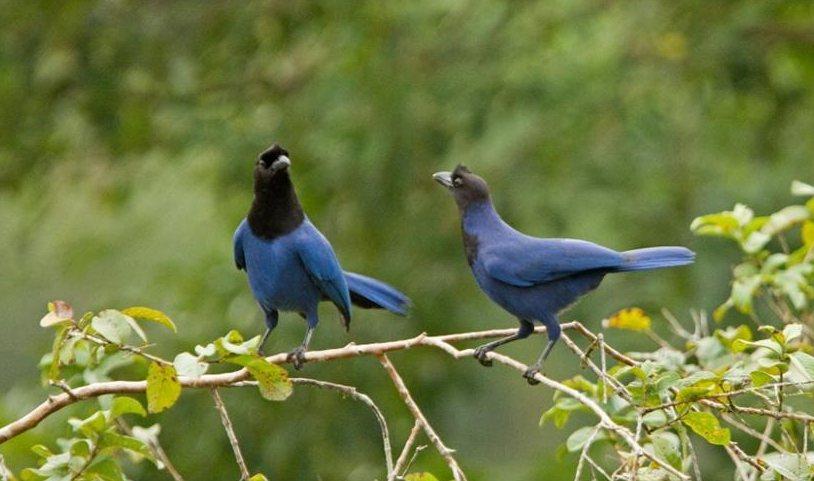
besides the Red-tailed Parrot, there are other species worth highlighting, like the Azure Jay (Cyanocorax caeruleus), Black-backed Tanager (Tangara peruviana), Little WoodRail (Aramides mangle) and, if we are lucky, we might even see the White-necked Hawk (Amadonastur lacernulatus).

Red-tailed Parrot
Red-tailed Parrot
Azure Jay
Azure Jay
Day
19

Peruíbe - Piracicaba/Tanquan

AM Birding and transfer to Tanquan (+/-5hrs [315Km]).

Read more · 2 photos

The area

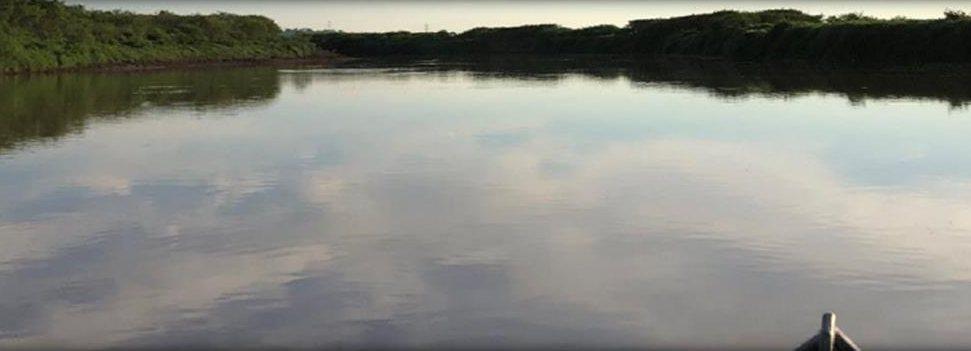
Tanquan is a small village located in an area known as “Mini Pantanal Paulista”. It is a flooded area around the Piracicaba River and a result of a dam created in the 60’s that attracted lots of aquatic birds. In 2014 there was a great movement of birdwatchers at Tanquan because there was another project of dam in this area that would flood everything, changing the environment for birds, biodiversity and also threatening the local community’s livelihood (the village depends on the fishing and tourism). After the protests by birdwatchers and other groups, now the area is protected by State law, and it became a Birding destination in São Paulo State.

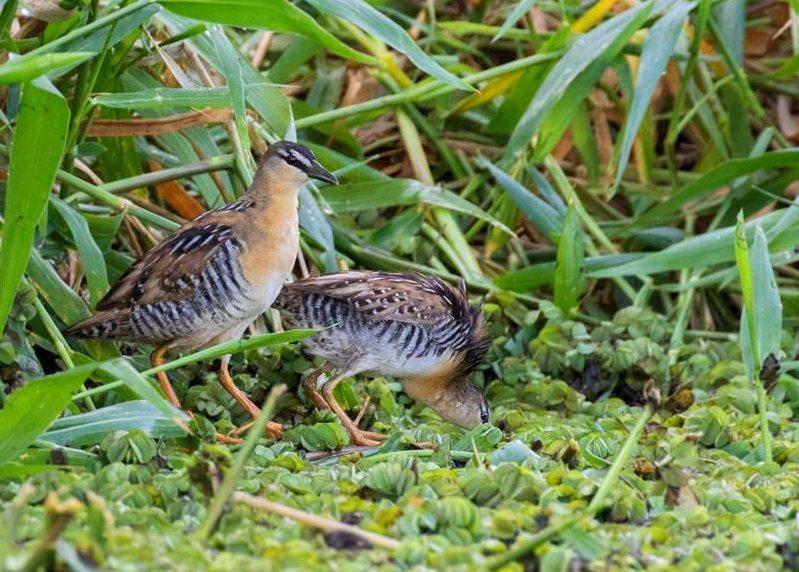
Our target here is the Yellow-breasted Crake (Porzana flaviventer).

Northeast + Southeast + South, Day 19
Day
20

Piracicaba/Tanquan - Joinville

AM Birding (boat) and transfer to Joinville (+/-9hrs [660Km]). PM Birding if we have time.

Read more · 1 photo

The area

Joinville is the biggest city of Santa Catarina and at the same time the city with the most species of birds. Surely one of the most important hotspots of the Atlantic Forest. The reason for this richness (more than 440 species) is the variety of environments that go from mangroves and lowland forests to montane forests up to 800 meters of altitude.

Target birds

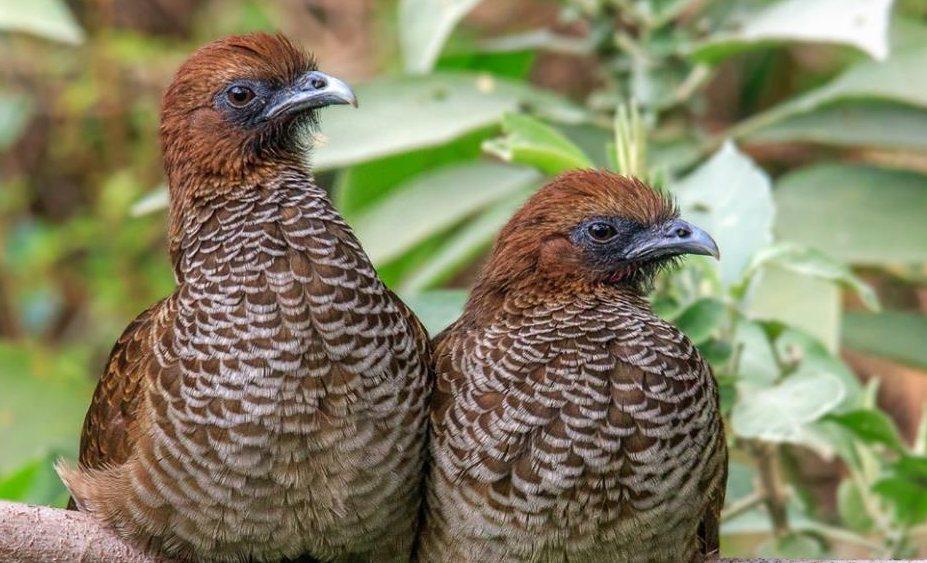
the main reason we visit this location is for some special South Brazil endemics: the Kaempfer’s Tody-Tyrant (Hemitriccus kaempferi), Parana Antwren (Formicivora acutirostris), Scaled Chachalaca (Ortalis squamata) and the Restinga Tyrannulet (Phylloscartes kronei).

Scaled Chachalaca
Scaled Chachalaca
Day
21

Joinville - Urupema

AM Birding and transfer to Urupema (+/-6hrs [370Km]) for PM Birding.

Read more · 2 photos

The area

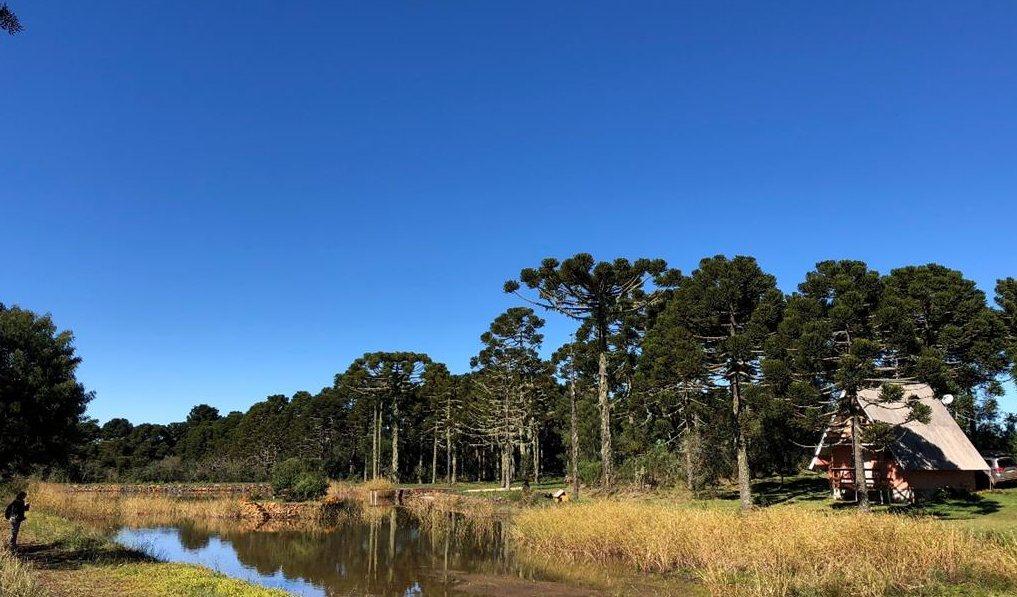
located in the state of Santa Catarina, situated at 1450 meters, in a valley surrounded by the Morro das Torres, Urupema is considered the coldest town in Brazil, with temperatures reaching -9ºC during the winter. The landscape here is quite unique; a mix of rocky outcrops (campo rupestre) and Araucaria Forest, a subtype of Atlantic Rainforest where the Brazilian Pine Tree (Araucaria angustifolia) is the dominant tree species. Here, we will stay at Eco Pousada Rio dos Touros, which has a good structure for birding and many interesting species around the lodge.

Target birds

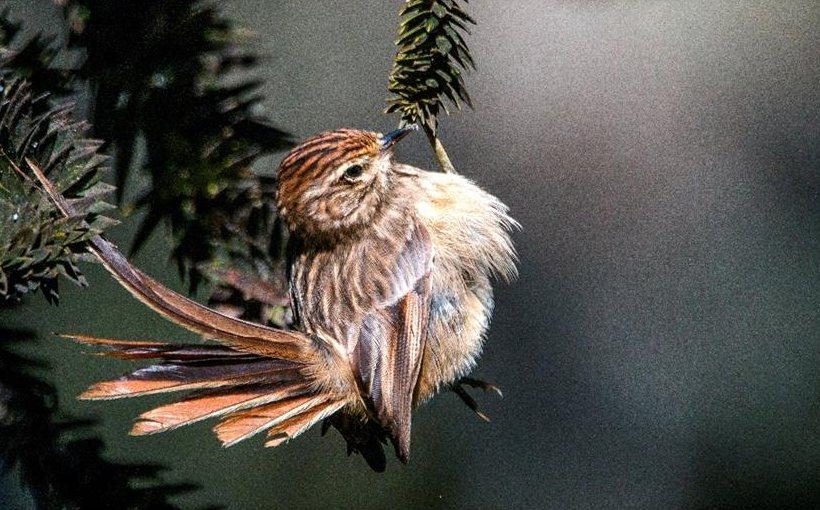
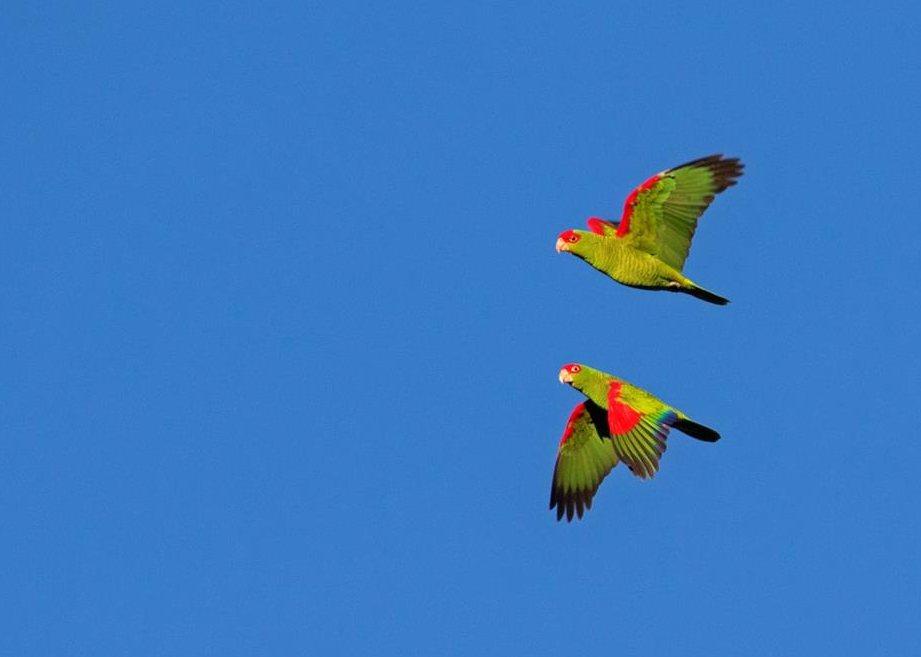
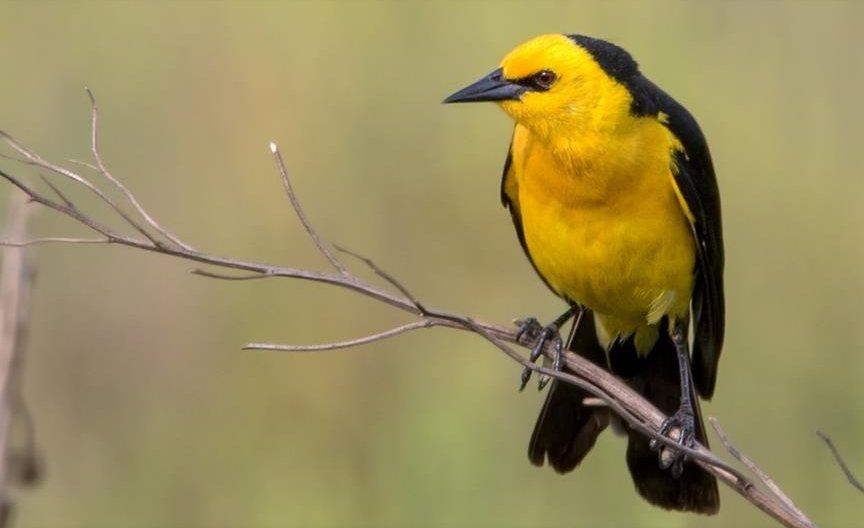
These environments are home to some interesting endemic species such as the Striolated Tit-Spinetail (Leptasthenura striolata) and the Long-tailed Cinclodes (Cinclodes pabsti). We will also look for Chestnut-backed Tanagers (Tangara preciosa), Red-spectacled Parrots (Amazona pretrei) and Saffron-cowled Blackbirds (Xanthopsar flavus).

Northeast + Southeast + South, Day 21
Striolated Tit-Spinetail
Day
22

Urupema – São Francisco de Paula

AM Birding in Urupema and transfer to São Francisco de Paula (+/5hrs [350Km]).

Read more · 2 photos

The area

the municipality of São Francisco de Paula is situated at 900 meters above sea level in the state of Rio Grande do Sul, the southernmost state of Brazil. Here we will look for some montane bird species in the Araucaria forest of the São Francisco de Paula National Forest. On our way to the reserve, we will also look for some natural field and marsh birds.

Target birds

here we will have second chances for the species in Urupema and this is also a place where the Saffron-cowled Blackbirds (Xanthopsar flavus) are pretty much guaranteed.

Red-spectacled Parrots
Saffron-cowled Blackbird
Day
23

São Francisco de Paula – Porto Alegre

AM Birding and transfer to Porto Alegre Airport (+/-2hrs [120Km]) for Departures.

Visual journey

Birds of this route

Forbes’s Blackbird
Forbes’s Blackbird
Jandaya Parakeet
Jandaya Parakeet
Alagoas Antwren
Alagoas Antwren
Fringe-backed Fire-eye
Hooded Visorbearer
Hooded Visorbearer
Pfrimer’s Parakeet
Pfrimer’s Parakeet
Moustached Woodcreeper
Bahian Nighthawk
Bahian Nighthawk
Dry-forest Sabrewing
Minas Gerais Tyrannulet
Blue-eyed Ground Dove
Ocellated Crake
Ocellated Crake

Make it yours

Ready to plan your own tailored tour?

Every trip we design is unique, built around your wish list, dates and dream destinations.

Start planning my trip

This is a sample itinerary from a past custom trip. Every tailored tour is built around your dates, pace and target list.