Day
0
0
Cuiabá
Arrivals in Cuiabá.

Three of Brazil's great birding regions in one month
Duration
Region
6 states
Brazil
About this itinerary
Why not aim for 1,000 species in a month? We begin in the breathtaking Pantanal, with its huge waterbirds and Jaguars wandering around. Then we fly to the exuberant Atlantic Forest of the Southeast, with plenty of beautiful tanagers, toucans and great endemics.
Our third stop is Amazônia National Park, a huge and pristine forest and one of the best places for a first taste of the Amazon. Afterwards we head to Amapá, for many birds exclusive to the northern portion of the Brazilian Amazon. Tie your boots and get ready: this will certainly be a memorable journey through this vast country!
The route
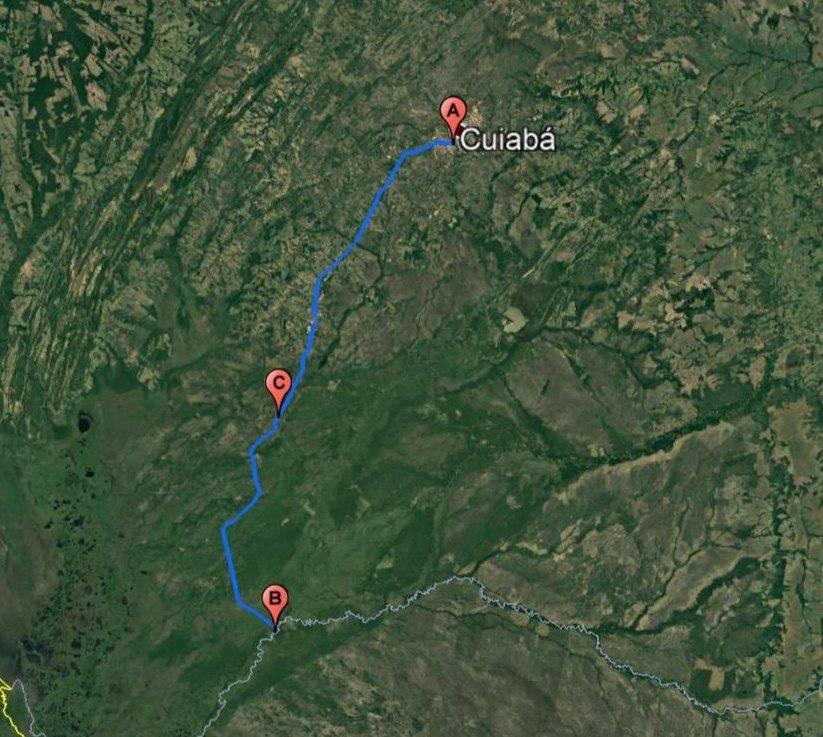
Part I – Mato Grosso (Pantanal): Cuiabá (A), Porto Jofre (B), Pousada Rio Claro (C).
Part II – Southeast Brazil: Rio de Janeiro (D), Arraial do Cabo (E), Silva Jardim (F), Nova Friburgo (G), REGUA (H), Campos do Jordão (I), Conceição dos Ouros (J), Guaraú (K), PETAR (L), Intervales State Park (M), Fazenda Bacury (N), São Paulo (O).
Part III – Amazônia: Itaituba (P), Amazonia National Park (Q), Manaus (R), Macapá (S), Serra do Navio (T), Novo Airão (U), Presidente Figueiredo (V), Itacoatiara (W).
| Day | Route | Plan |
|---|---|---|
| 0 | Arrivals in Cuiabá | Arrival |
| 1 | Cuiabá – Porto Jofre (250km) | Full Day Birding until we reach P. Jofre |
| 2 | Porto Jofre | Jaguars |
| 3 | Porto Jofre – Pousada Rio Claro (110km) | AM Jaguars. Transfer. PM Birding |
| 4 | P. Rio Claro – Cuiabá – Rio de Janeiro (Flight) | AM Birding and transfer. Flight |
| 5 | Rio – Arraial do Cabo – Silva Jardim (250km) | Transfer. AM Birding. Transfer |
| 6 | Silva Jardim – Nova Friburgo (110km) | Golden Lion Tamarin |
| 7 | Nova Friburgo | AM and PM Birding |
| 8 | Nova Friburgo – REGUA (70km) | AM Birding. Transfer. PM Birding |
| 9 | REGUA – Campos do Jordão (400km) | Transfer. AM and PM Birding |
| 10 | Campos do Jordão – Conceição dos Ouros (70km) | AM Birding. Transfer. PM Birding |
| 11 | Conceição dos Ouros – Guaraú (370km) | AM Birding. Transfer. PM Birding |
| 12 | Guaraú – PETAR (250km) | AM Birding. Transfer. PM Birding |
| 13 | PETAR – Intervales State Park (120km) | AM Birding. Transfer. PM Birding |
| 14 | Intervales State Park | AM and PM Birding |
| 15 | Intervales State Park – Fazenda Bacury (240km) | AM Birding. Transfer. PM Birding |
| 16 | Fazenda Bacury – São Paulo (260km) | AM Birding (Tanquã). Transfer |
| 17 | São Paulo – Itaituba (Flight) | Flights and Transfers |
| 18 | Itaituba (Amazonia National Park) | AM and PM Birding |
| 19 | Itaituba (Amazonia National Park) | AM and PM Birding |
| 20 | Itaituba (Amazonia National Park) | AM and PM Birding |
| 21 | Itaituba (Amazonia National Park) | AM and PM Birding |
| 22 | Itaituba – Manaus (Flight) | AM Birding. Transfer. Flight |
| 23 | Manaus – Macapá (Flight) | AM Birding. Transfer. Flight |
| 24 | Macapá – Serra do Navio (210km) | Transfer. PM Birding |
| 25 | Serra do Navio | AM and PM Birding |
| 26 | Serra do Navio | AM and PM Birding |
| 27 | Serra do Navio – Macapá (210km) | AM Birding. Transfer. PM Birding |
| 28 | Macapá – Manaus (Flight) | AM Birding. Departure/Extension |
| 29 | Manaus – Novo Airão (200km) | Transfer. PM Birding |
| 30 | Novo Airão – Presidente Figueiredo (320km) | AM Birding. Transfer. PM Birding |
| 31 | Presidente Figueiredo | AM and PM Birding |
| 32 | Presidente Figueiredo – Itacoatiara (320km) | AM Birding. Transfer. PM Birding |
| 33 | Itacoatiara – Manaus (270km) – Departures | AM Birding. Transfer. Departure |
Day by day
Arrivals in Cuiabá.
Transfer to Porto Jofre ([250Km]), where we will look for Jaguars (Panthera onca) the next morning. I will not calculate the time we will drive these 250km because it is on a dirt road and we will have hundreds of distractions that will force us to occasionally stop the vehicle. We will spend our day crossing the Transpantaneira Road, making some stops to see many nice birds and animals we find on our way, such as Ibises, Herons, Capybaras, Caimans and many others.
Read more · 3 photos
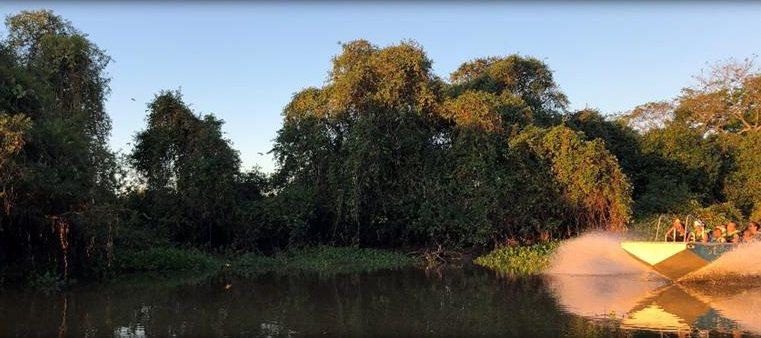
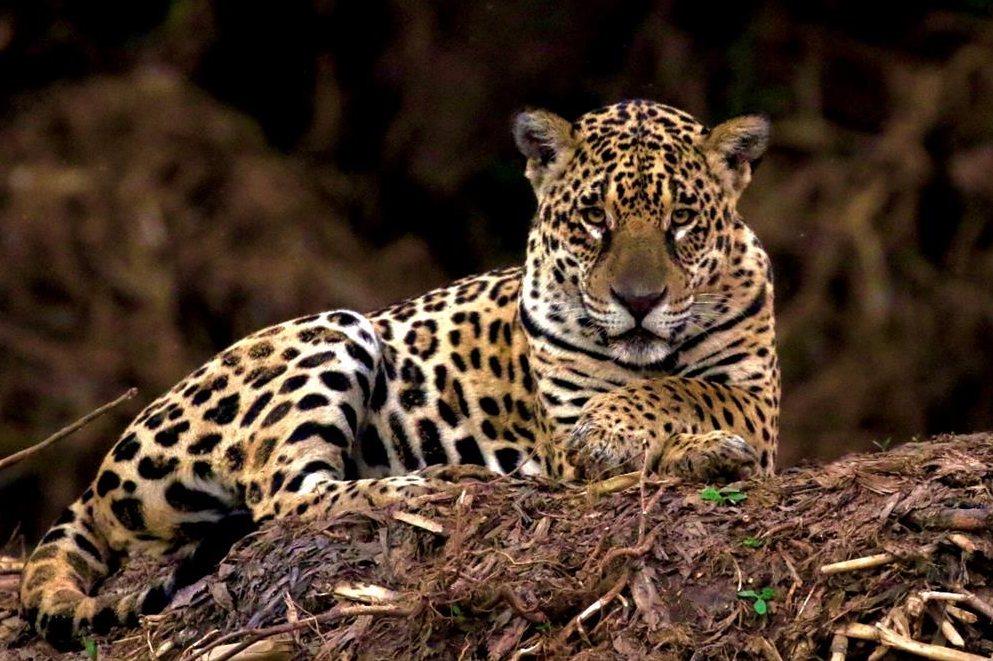
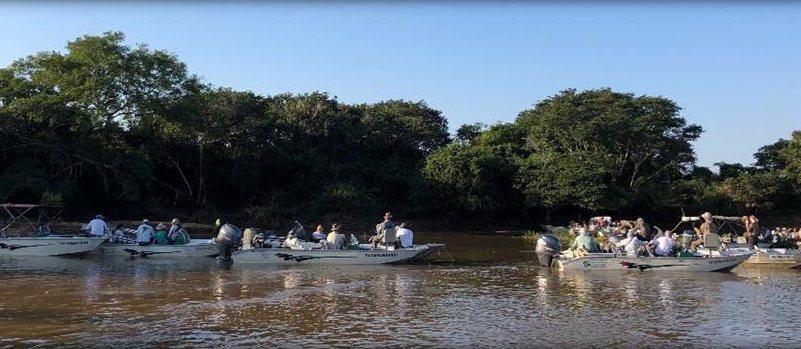
Full Day in Porto Jofre. In the morning and in the afternoon, we will have a boat trip to look for Jaguars, Giant Otters, and birds along the river.
AM looking for the Jaguars, if needed. Transfer to Pousada Rio Claro (+/3½hrs [110Km]) for PM Birding.
Read more · 1 photo
this is a simple pousada located half-way through the Transpantaneira Road. The perfect place to stop to break up the trip between Cuiabá and Porto Jofre. Here we will bird around the premises and/or by boat depending on the targets we need to see. Quite easy and very productive birding.
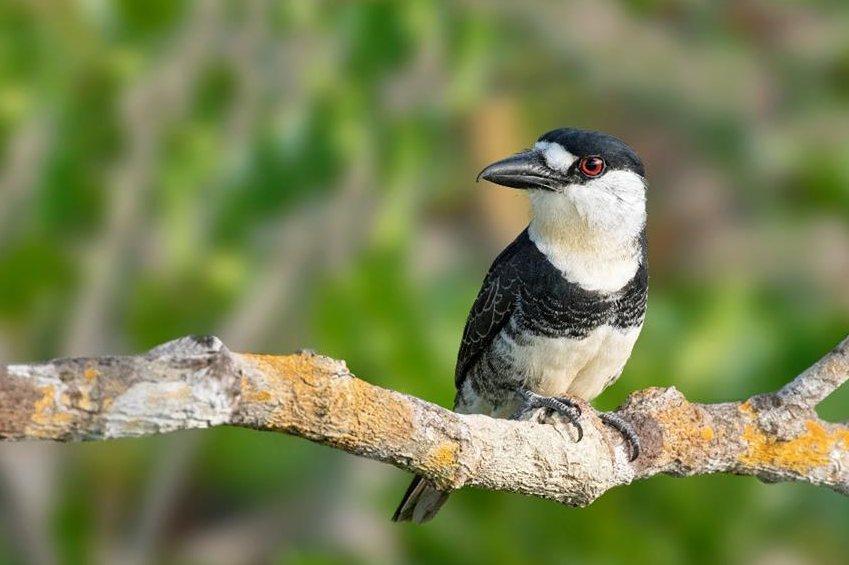
there is no single special target here but we have a huge lek of birds we could go for: Boat-billed Heron (Cochlearius cochlearius), Large-billed Antwren (Herpsilochmus longirostris), Rusty-backed Spinetail (Cranioleuca vulpina), Helmeted Manakin (Antilophia galeata), White-lored Spinetail (Synallaxis albilora), Mato Grosso Antbird (Cercomacra melanaria), Rufous Casiornis (Casiornis rufus), Masked Gnatcatcher (Polioptila dumicola), Red-crested Finch (Coryphospingus cucullatus), Sungrebe (Heliornis fulica), all five possible species of kingfishers in Brazil: Ringed (Megaceryle torquata), Amazon (Chloroceryle amazona), American Pygmy (Chloroceryle aenea), Green (Chloroceryle americana), Greenand-rufous (Chloroceryle inda) Kingfishers and many other nice birds.
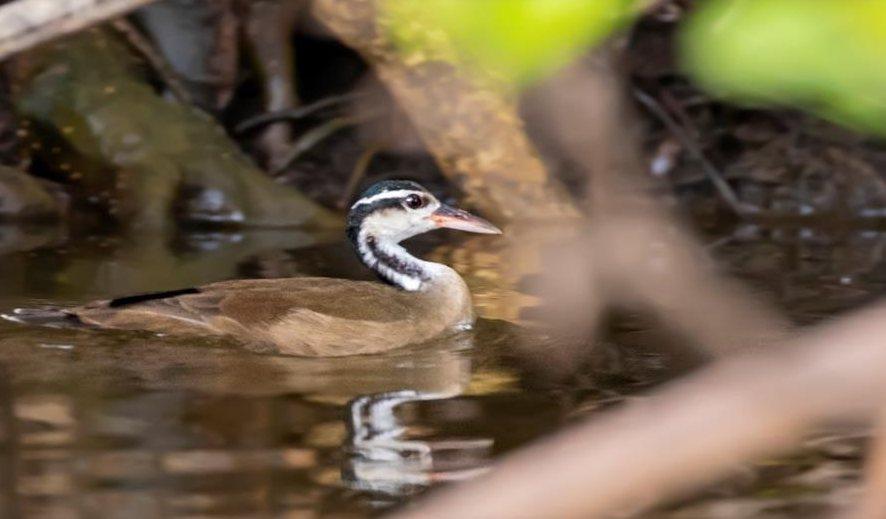
AM Birding in Pousada Rio Claro and PM transfer to Cuiabá. Flight to Rio de Janeiro.
Early departure to Arraial do Cabo (+/-3hrs [170Km]) specifically for the Restinga Antwren (Formicivora littoralis), where we will be birding at sea-level in restinga environment. Other birds we might see around are Brazilian Tanager (Ramphocelus bresilius), Hangnest Tody-Tyrant (Hemitriccus nidipendulus) and Sooretama Slaty-Antshrike (Thamnophilus ambiguus). Some world lists treat this species as being part of the Serra Antwren complex. However, several ornithologists (including the Brazilian Classification Committee - Cbro) believe that this isolated population, which is also quite different in
Read more · 2 photos
morphology is indeed a valid species and sadly endangered of extinction due to habitat loss. After seeing our target bird, we move on to Silva Jardim (+/-2hrs [80Km]). We will be here specifically to try the Golden Lion Tamarin (Leontopithecus rosalia) in the next morning. PM Birding around our lodging to pump up our southeast bird list.
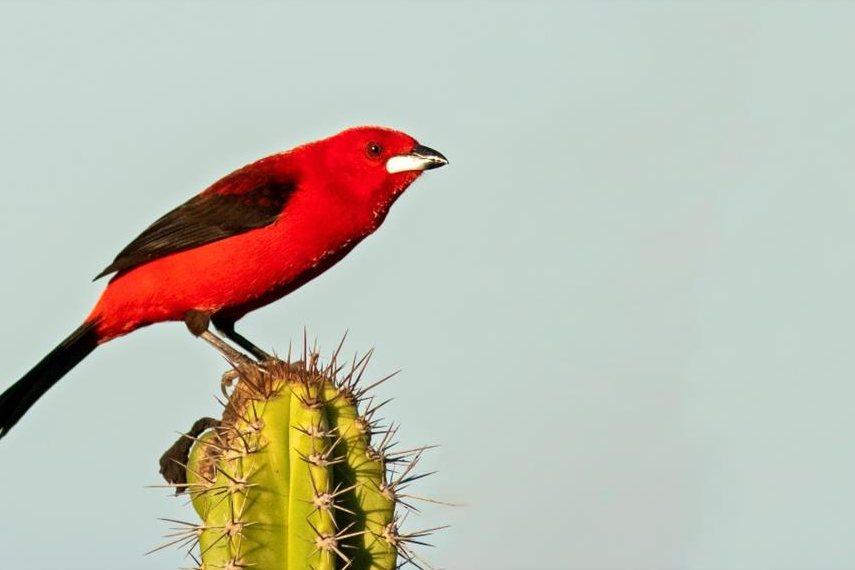
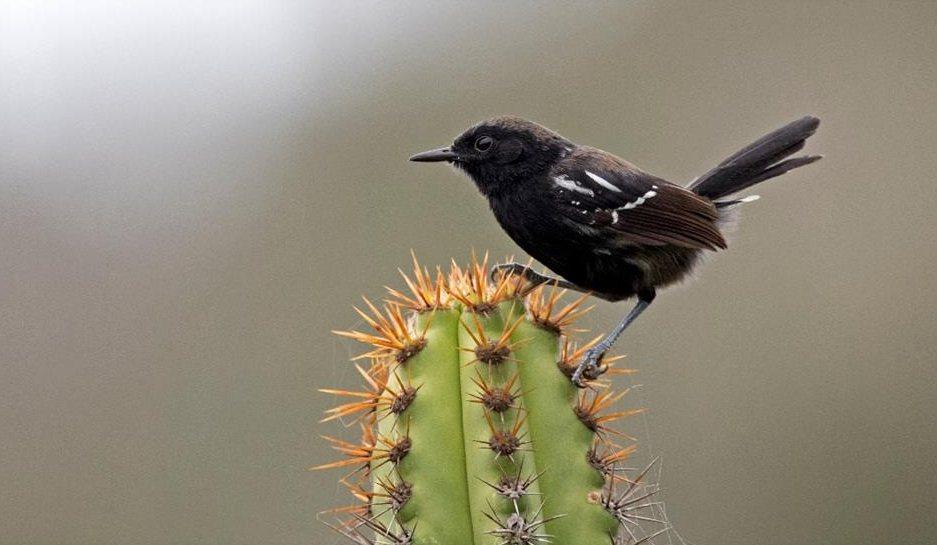
Full Day looking for the Golden Lion Tamarin and late transfer to Nova Friburgo (+/-2hrs [110Km]).
Read more · 2 photos
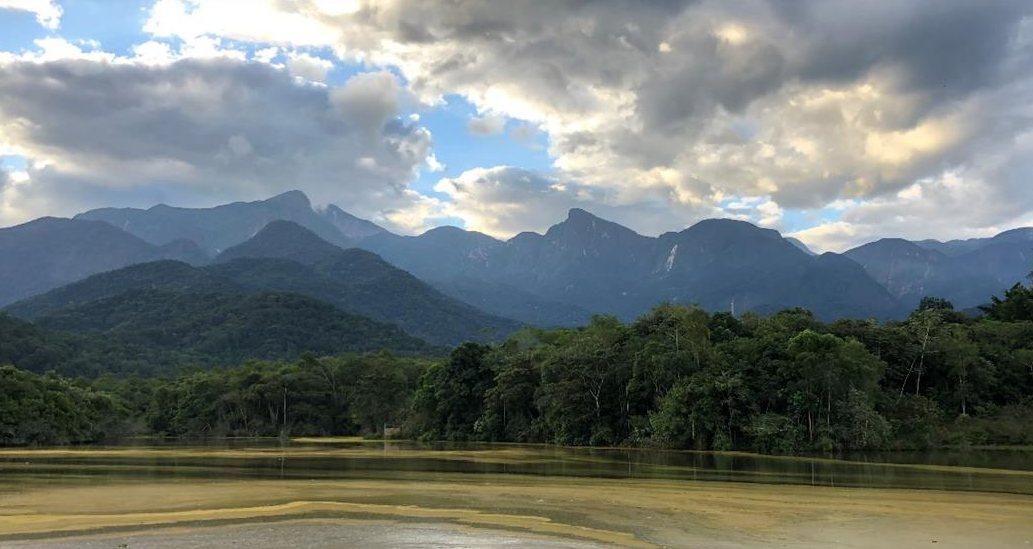
located in the mountainous region of Rio de Janeiro State, the main location for us here will be the Pico da Caledônia, in Serra dos Órgãos, 2255 meters in altitude, one of the highest mountains in Rio de Janeiro. We will be based in a hotel in the entrance of Pico da Caledônia road. To reach an altitude where it is possible to see the Greywinged Cotinga, the van will park in a determined spot and we will have to do a moderate hike along the road, from 1800m to 2000m to reach the ideal spot to scan for our main target. We leave the hotel early.
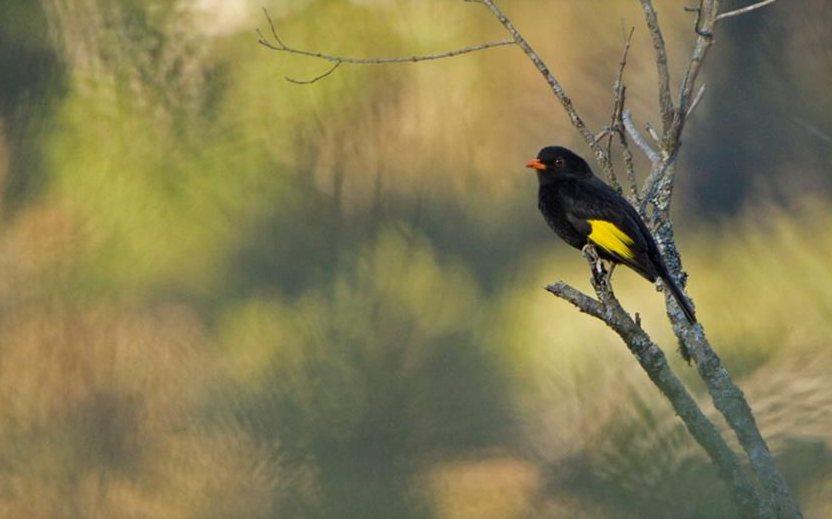
the main target here is the rare and range-restricted Grey-winged Cotinga (Tijuca condita). Another big target will be the Black-and-gold Cotinga (Tijuca atra), of course. The combination of their songs will produce a soundscape you will never forget. We will also have our first chances for some Atlantic Forest Highland-loving birds such as the colorful Diademed Tanager (Stephanophorus diadematus), Large-tailed Antshrike (Mackenziaena leachii), Rufous-tailed Antbird (Drymophila genei), Serra do Mar Tyrannulet (Phylloscartes difficilis), Rufous-backed Antvireo (Dysithamnus xanthopterus), Bay-chested Warbling-Finch (Poospiza thoracica), Green-crowned Plovercrest (Stephanoxis lalandi), White-browed Woodpecker (Piculus aurulentus) and many others.
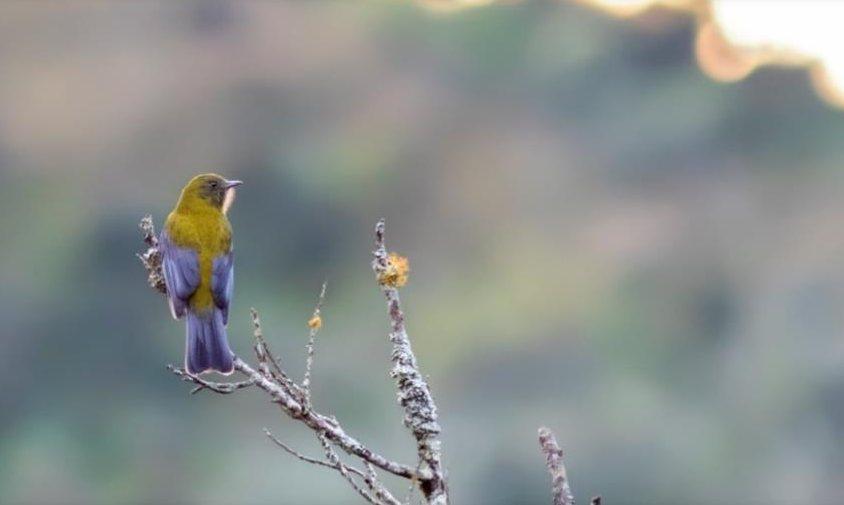
Full Day Birding in Nova Friburgo.
AM Birding and transfer to REGUA (Cachoeiras de Macacu-RJ) (+/-1½hrs [70Km]).
Read more · 3 photos
REGUA (Ecological Reserve of Guapiaçu) is a Private Reserve with more than 9,000 hectares of protected forest. Nicholas Locke and his family dedicate their lives to protect and conserve this region purchasing areas to protect and restore the Atlantic Forest. The area comprises exuberant patches of Atlantic Forest and good lodging; overall a great place to go birding (to see more https://vimeo.com/129346540).
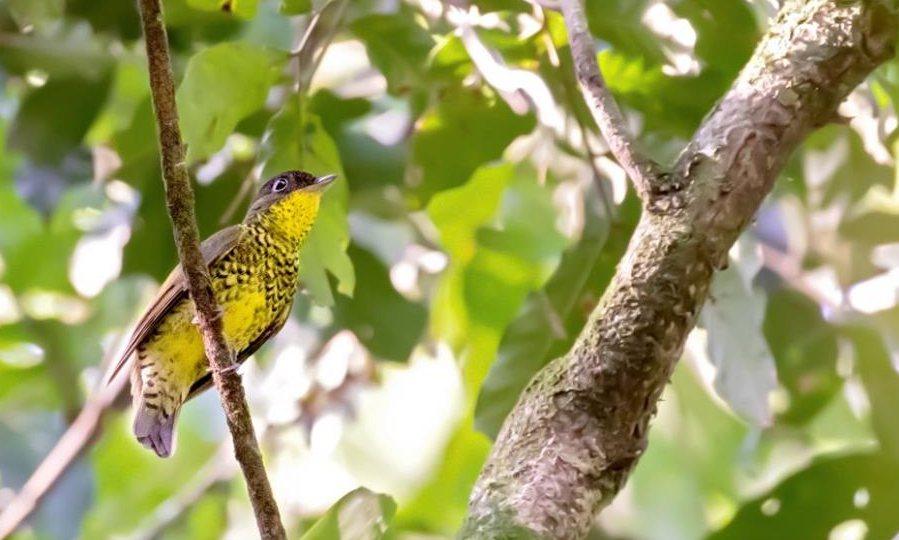
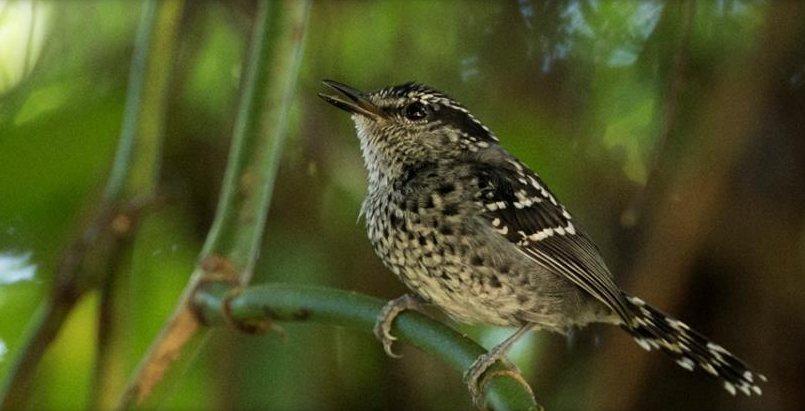
maybe the most desired bird here is also one of the rarest and most difficult birds of the southeast; the Shrike-like Cotinga (Laniisoma elegans). Let us hope to be in the right place at the right time so that we could see this amazing species. Other specialties also include: Yellow-eared Woodpecker (Veniliornis maculifrons), [Silvery] White-flanked Antwren (Myrmotherula axillaris luctuosa), Chestnut-backed Antshrike (Thamnophilus palliatus), Unicolored Antwren (Myrmotherula unicolor), Green-headed Tanager (Tangara seledon), Rufous-capped Motmot (Baryphthengus ruficapillus), Scaled Antbird (Drymophila squamata), Southern Antpipit (Corythopis delalandi), White-bibbed Antbird (Myrmoderus loricatus) and many other Atlantic Forest species. Here, we will also try to see some crepuscular and night birds, like the Giant Snipe (Gallinago undulata), Tawny-browed Owl (Pulsatrix koeniswaldiana) and the rare Long-tailed Potoo (Nyctibius aethereus).
Early transfer to Campos do Jordão (+/-6hrs [400Km]). PM Birding.
Read more · 3 photos
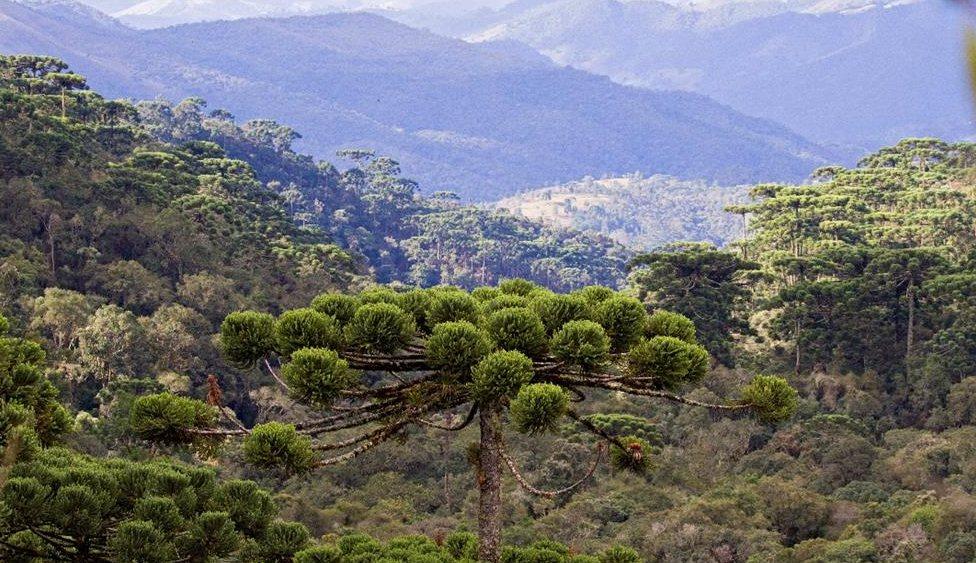
situated in the Serra da Mantiqueira mountain range, Campos do Jordão is the highest Brazilian city with an altitude of 1628m. A famous touristic destination, especially in the winter, due to its low temperatures and European architecture. There are a lot of forest patches nearby with significant remnants of araucaria forest. We will be birding in a few of these patches so there will be quite some driving.
we will have to keep an eye out for the threatened Vinaceous-breasted Parrot (Amazona vinacea) and the Black-capped Piprites (Piprites pileata), our main targets in this location. Other targets are Rufous-tailed Antthrush (Chamaeza ruficauda), always a difficult bird to see, Swallow-tailed Cotinga (Phibalura flavirostris) (in certain times of the year), Serra do Mar Tyrannulet (Phylloscartes difficilis), Thick-billed Saltator (Saltator maxillosus), Sharp-billed Treehunter (Heliobletus contaminatus), Rusty-barred Owl (Strix hylophila), Brown-breasted Pygmy-Tyrant (Hemitriccus obsoletus), Diademed Tanager (Stephanophorus diadematus) and Araucaria Tit-Spinetail (Leptasthenura setaria). Other interesting birds that occur here are the Black Hawk-Eagle (Spizaetus tyrannus), White-spotted Woodpecker (Veniliornis spilogaster), Greenish Tyrannulet (Phyllomyias virescens), Plush-crested Jay (Cyanocorax chrysops), Hellmayr’s Pipit (Anthus hellmayri), Rufous-backed Antvireo (Dysithamnus xanthopterus), Brassy-breasted Tanager (Tangara desmaresti), Hooded Siskin (Spinus magellanicus), Scalloped Woodcreeper (Lepidocolaptes falcinellus) and many more.
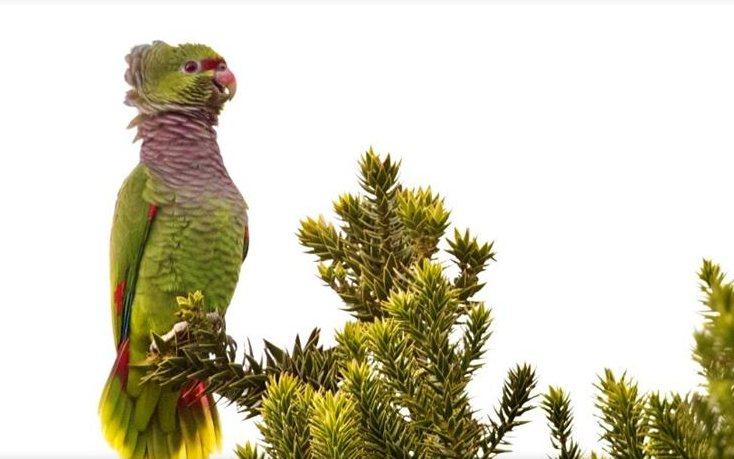
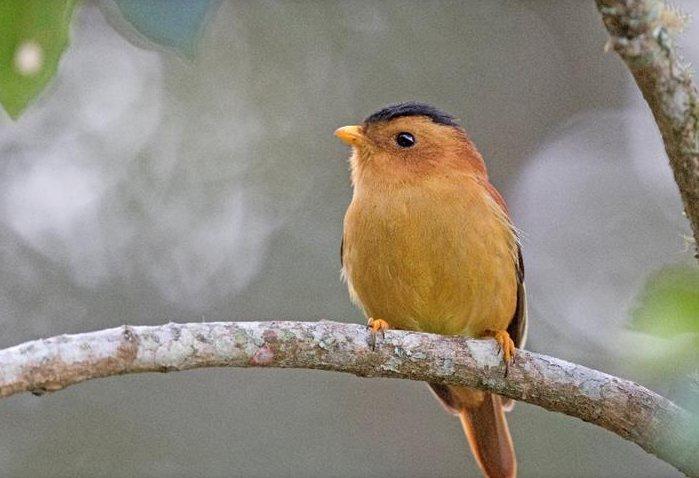
AM Birding in Campos do Jordão and transfer to Conceição dos Ouros (+/-1½hrs [70Km]). PM Birding. Our main target here will be the rare and enigmatic Buff-fronted Owl (Aegolius harrisii). As of now, this is the best place in Brazil to see this bird. I figured: “we would be so close, why not give it a try”.
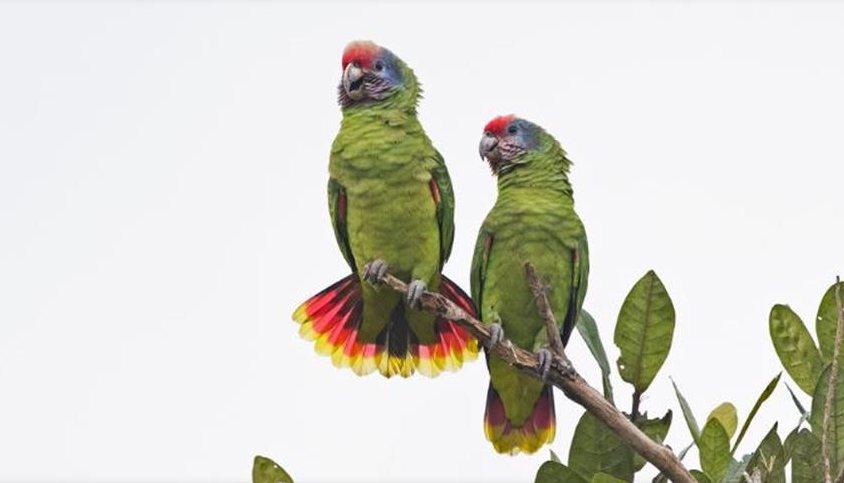
AM Birding for any targets we might need in Conceição dos Ouros and transfer to Guaraú (+/-6hrs [370Km]). PM Birding to see the Red-tailed Parrot (Amazona brasiliensis) going to its roosting site. We will be birding in Restinga environment. Restingas are on sandy and nutrient-impoverished soils that are frequently associated with lowelevation plains characterized by the presence of beach ridges and lagoonal systems.
Read more · 2 photos
only 150Km away from the capital, this region is known for its touristic beaches and ecologic tourism. This is an interesting region to be on the tour since it is the northern distribution limit of the range-restricted and endemic Red-tailed Parrot (Amazona brasiliensis). We go to a neighboring city called Itanhaém to look for the parrot.
besides the Red-tailed Parrot, there are other species worth highlighting, like the Azure Jay (Cyanocorax caeruleus), Black-backed Tanager (Tangara peruviana), Channel-billed [Ariel] Toucan (Ramphastos vitellinus ariel), Buff-bellied Puffbird (Notharchus swainsoni), Blond-crested Woodpecker (Celeus flavescens), Black-capped Screech-Owl (Megascops atricapilla), Grey-hooded Attila (Attila rufus), [Atlantic] Long-billed Wren (Cantorchilus longirostris longirostris), Squamate Antbird (Myrmoderus squamosus), Robust Woodpecker (Campephilus robustus), Bicolored Conebill (Conirostrum bicolor) and Unicolored Antwren (Myrmotherula unicolor).
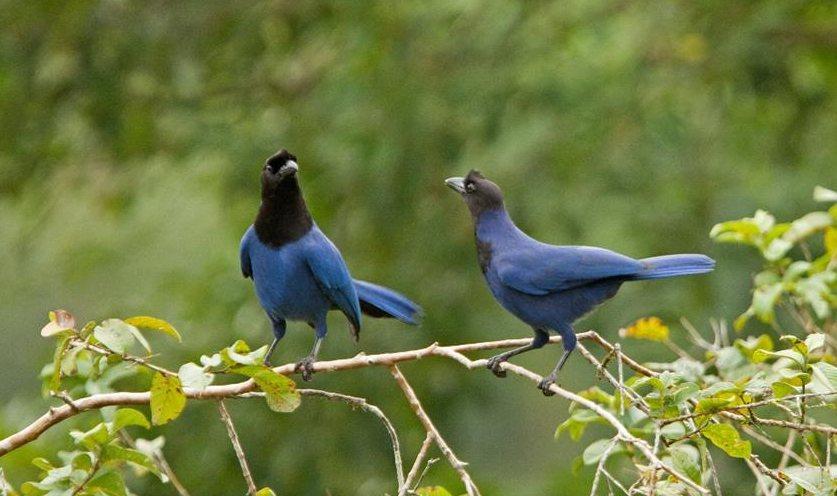
AM Birding and transfer to PETAR (Iporanga-SP) (+/-4hrs [250Km]).
Read more · 2 photos
located in the south of the state, PETAR (Touristic State Park of Alto Ribeira) has one of the highest concentration of caves (more than 350) in the world. There are also dozens of waterfalls, traditional and quilombola communities, trails and archaeological/paleontological sites. A true paradise hidden between valleys and mountains and in the largest preserved Atlantic Forest patch in Brazil (approximately 250.000 hectares). It is from one of these traditional communities that our local guide is from and he will be very worthy in helping us find our targets.
here we will concentrate our efforts on some difficult species. If we see at least half of the following birds, we could consider ourselves in a good advantage: Such’s Antthrush (Chamaeza meruloides), Yellow-legged Tinamou (Crypturellus noctivagus), Solitary Tinamou (Tinamus solitarius), Variegated Antpitta (Grallaria varia), Black-headed Berryeater (Carpornis melanocephala), Bay-ringed Tyrannulet (Phylloscartes sylviolus), Fasciated TigerHeron (Tigrisoma fasciatum), Pavonine Cuckoo (Dromococcyx pavoninus), Bare-throated Bellbird (Procnias nudicollis) and Blue-bellied Parrot (Triclaria malachitacea). Our local guide is constantly monitoring rare raptors’ nests, like Ornate Hawk-Eagle (Spizaetus ornatus) and Gray-bellied Hawk (Accipiter poliogaster) so let’s cross our fingers to be there in the right period. Depending on time of year we also have chances of seeing the Atlantic Royal Flycatcher (Onychorhynchus swainsoni) and Swallow-tailed Cotinga (Phibalura flavirostris), which the local guide also monitors when in breeding season.
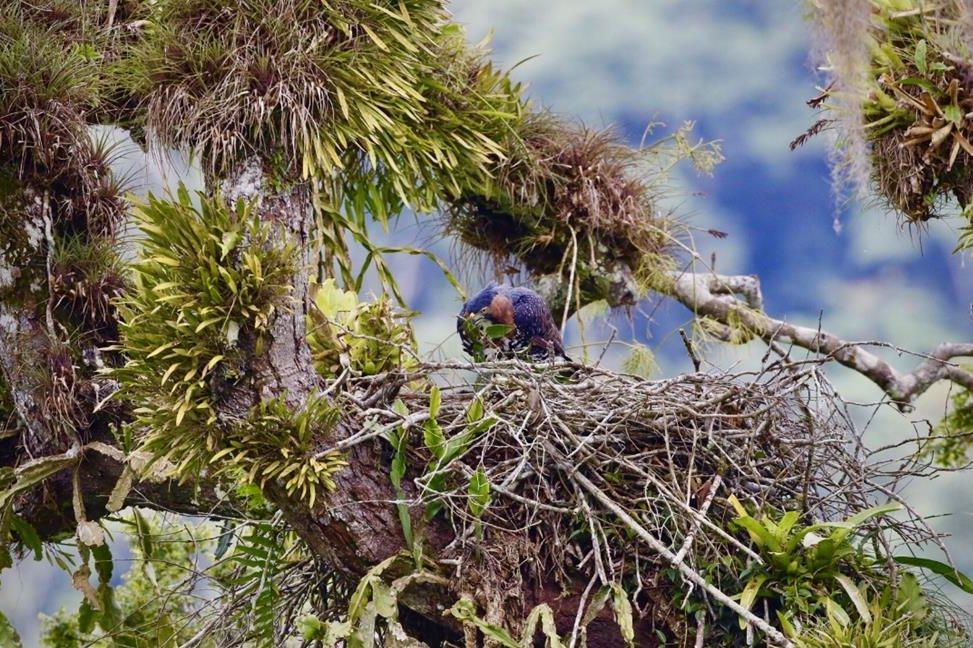
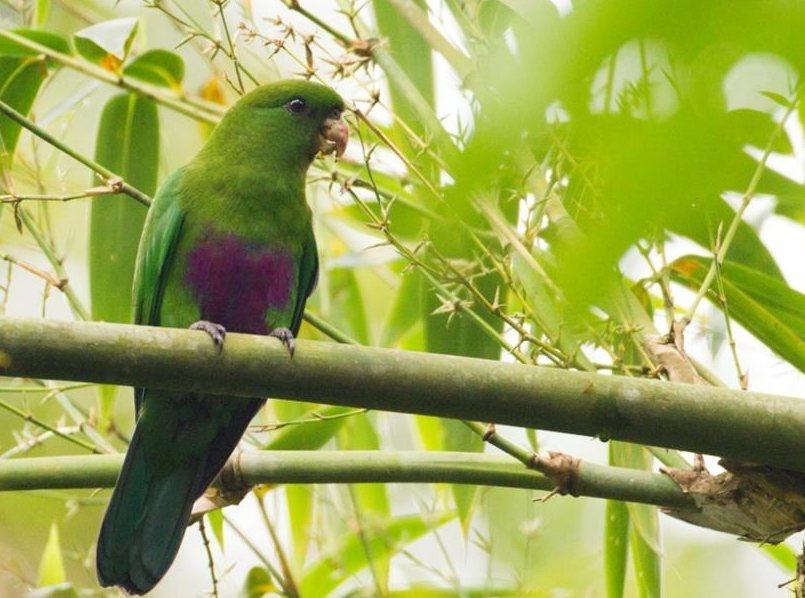
AM Birding and transfer to Intervales State Park (Ribeirão Grande) (+/2hrs [120Km]).
Read more · 1 photo
also a part of the same forest fragment as PETAR, Intervales is one of the most exciting places to bird in the southeast, comprising over 400 bird species! A great place to bird, with many roads and trails to explore inside the park. We will be sleeping and eating practically inside the forest as well, so in “resting hours” anyone can feel free to explore the surroundings.
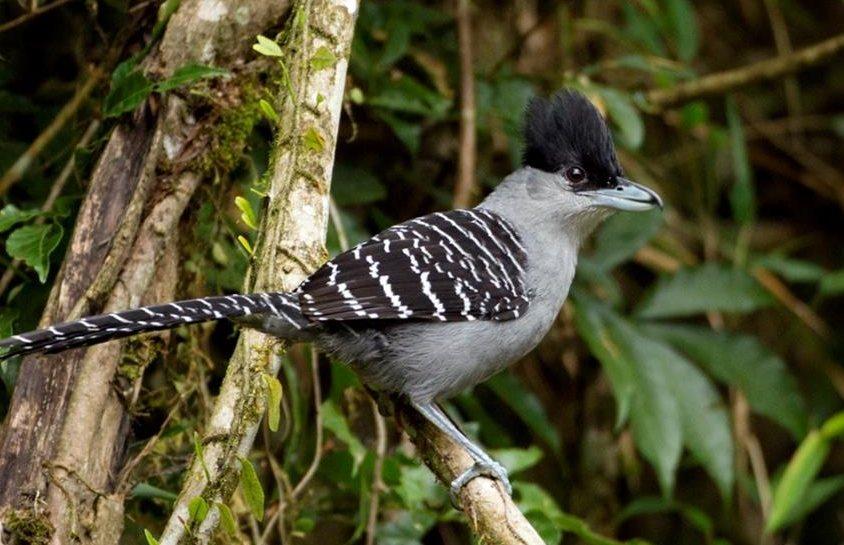
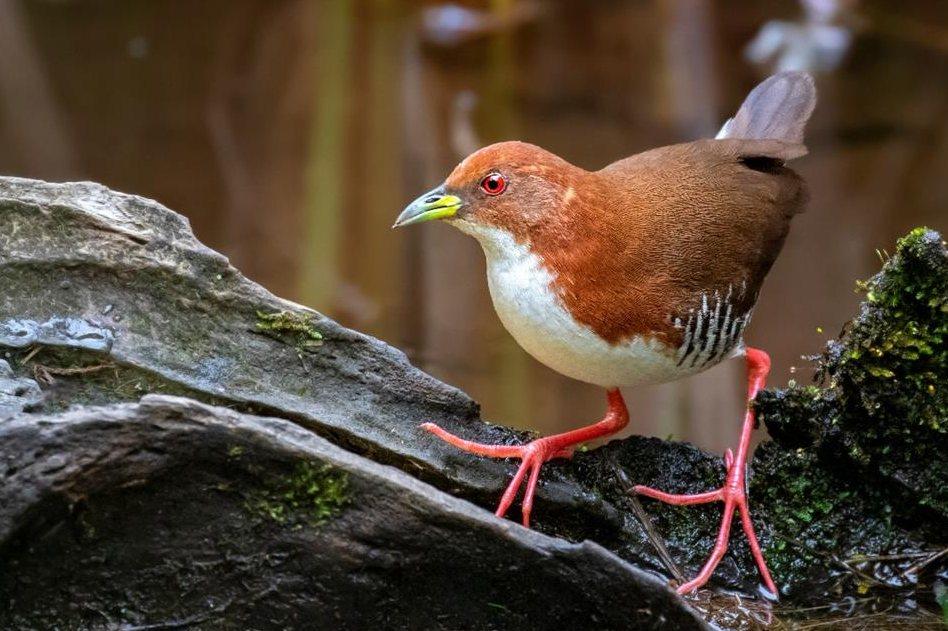
Intervales has a never-ending list of great birds to see. We will name out a few: Giant Antshrike (Batara cinerea), Long-tufted Screech-Owl (Megascops sanctaecatarinae), Dusky-throated Hermit (Phaethornis squalidus), Violet-crowned Plovercrest (Stephanoxis loddigesii), Oustalet’s Tyrannulet (Phylloscartes oustaleti), White-bearded Antshrike (Biatas nigropectus), Black-fronted Piping-Guan (Aburria jacutinga), the cryptic Spotted Bamboowren (Psilorhamphus guttatus), Slaty Bristlefront (Merulaxis ater), Atlantic Royal Flycatcher (Onychorhynchus swainsoni), Red-ruffed Fruitcrow (Pyroderus scutatus), Red-andwhite Crake (Laterallus leucopyrrhus), Spot-winged Wood-Quail (Odontophorus capueira), Solitary Tinamou (Tinamus solitarius), Pileated Parrot (Pionopsitta pileata), White-browed Foliage-gleaner (Anabacerthia amaurotis), Wing-barred Piprites (Piprites chloris), Hooded Berryeater (Carpornis cucullata), Brown Tanager (Orchesticus abeillei), White-breasted Tapaculo (Eleoscytalopus indigoticus), Bertoni's Antbird (Drymophila rubricollis), Longtrained Nightjar (Hydropsalis forcipata) and many, many others. Two birds people usually ask about are the Russet-winged Spadebill (Platyrinchus leucoryphus) and Helmeted Woodpecker (Celeus galeatus). Although possible, only 20-30% of the groups are lucky enough to see any of them.
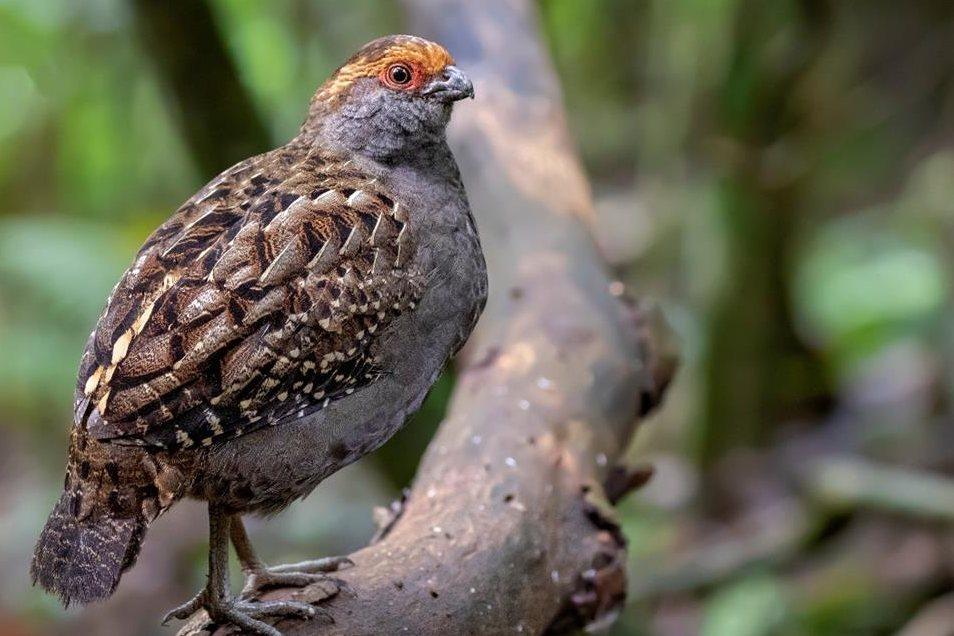
AM and PM Birding in Intervales State Park.
Read more · 2 photos
AM Birding if needed and transfer to Fazenda Bacury (+/-4hrs [240Km]). PM Birding.
Read more · 1 photo
located on the banks of rivers Piracicaba and Tietê, Fazenda Bacury is a farm in the municipality of Anhembi in the central tablelands of Sao Paulo State. The owners have been preserving an area of 2.200 hectares of primary Atlantic Forest for eighty years. This area is considered the largest Private Reserve of Atlantic Forest Tablelands in the state.
Although some of these species are extremely rare, here are some of the birds we have chances of seeing here: Rusty-margined Guan (Penelope superciliaris), Violaceous Quail-Dove (Geotrygon violacea), Blue-winged Macaw (Primolius maracana), Pavonine Cuckoo (Dromococcyx pavoninus), Mottled Owl (Strix virgata), Ocellated Poorwill (Nyctiphrynus ocellatus), Rufous-capped Motmot (Baryphthengus ruficapillus), Crescent-chested Puffbird (Malacoptila striata), Ochre-collared Piculet (Picumnus temmincki), Ferruginous Antbird (Drymophila ferruginea), Squamate Antbird (Myrmoderus squamosus), Black-cheeked Gnateater (Conopophaga melanops), Spotted Bamboowren (Psilorhamphus guttatus), Eye-ringed Tody-Tyrant (Hemitriccus orbitatus), Russet-winged Spadebill (Platyrinchus leucoryphus), Helmeted Manakin (Antilophia galeata), Greenish Schiffornis (Schiffornis virescens), Shrike-like Cotinga (Laniisoma elegans).
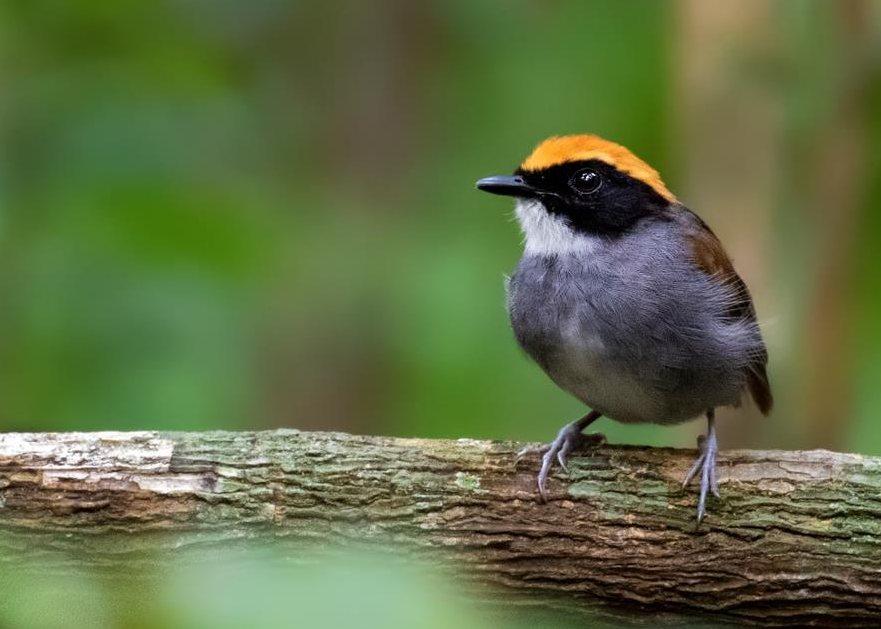
AM Birding in Tanquã. PM transfer to São Paulo (+/-4hrs [260Km]).
Read more · 1 photo
Tanquã is a small village located in an area known as “Mini Pantanal Paulista”. It is a flooded area around the Piracicaba River and a result of a dam created in the 60’s that attracted lots of aquatic birds. In 2014 there was a great movement of birdwatchers at Tanquã because there was another project of dam in this area that would flood everything, changing the environment for birds, biodiversity and also threatening the local community’s livelihood (the village depends on the fishing and tourism). After the protests by birdwatchers and other groups, now the area is protected by State law and it became a Birding destination in São Paulo State. Some targets for Tanquã are the Spotted Rail (Pardirallus maculatus), Yellow-breasted Crake (Porzana flaviventer), Rosy-billed Pochard (Netta peposaca) and other interesting aquatic species.
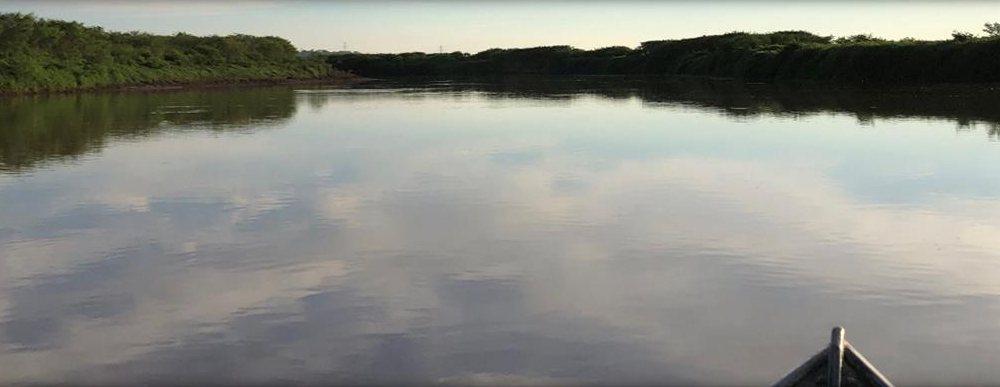
Flight to Itaituba (Amazonia National Park) and transfer to the hotel near the entrance of the park (+/-½hr [30Km]). PM Birding if we have time.
Read more · 1 photo
The Amazon National Park is located between the Tapajós and Madeira Rivers, intersected by the famous Transamazônica road. It is a great place to find several endemic species of the Brazilian Amazon. During dawn at certain times of the year, it is possible to be dazzled by large flocks of Parrots along the road. Most of the National Park is made up of Terra Firme forest, where there are ecological trails that are used for birdwatching.
Some of the birds we will look for here include: Broad-billed Motmot (Electron platyrhynchum), Harlequin Antbird (Rhegmatorhina berlepschi), Wing-banded Antbird (Myrmornis torquata), Pale-faced Bare-eye (Phlegopsis borbae), Black-spotted Bareeye (Phlegopsis nigromaculata), Spix's Warbling-Antbird (Hypocnemis striata), Ihering's Antwren (Myrmotherula iheringi), Snow-capped Manakin (Lepidothrix nattereri), Golden Parakeet (Guaruba guarouba), Santarem Parakeet (Pyrrhura amazonum), Kawall's Parrot (Amazona kawalli), Brown-chested Barbet (Capito brunneipectus), Red-necked Aracari (Pteroglossus bitorquatus), Ornate Hawk-Eagle (Spizaetus ornatos), Cryptic ForestFalcon (Micrastur mintoni), Hoffmanns's Woodcreeper (Dendrocolaptes hoffmannsi), Redbilled Woodcreeper (Hylexetastes perrotii), Alta Floresta Antpitta (Hylopezus whittakeri), Banded Antbird (Dichrozona cincta), Rufous-faced Antbird (Myrmelastes rufifacies), , Flamecrowned Manakin (Heterocercus linteatus), Black-bellied Gnateater (Conopophaga melanogaster), Natterer's Slaty-Antshrike (Thamnophilus stictocephalus), Vulturine Parrot (Pyrilia vulturina), Dark-winged Trumpeter (Psophia viridis), Collared Puffbird (Bucco capensis), and many more amazonian specialties.
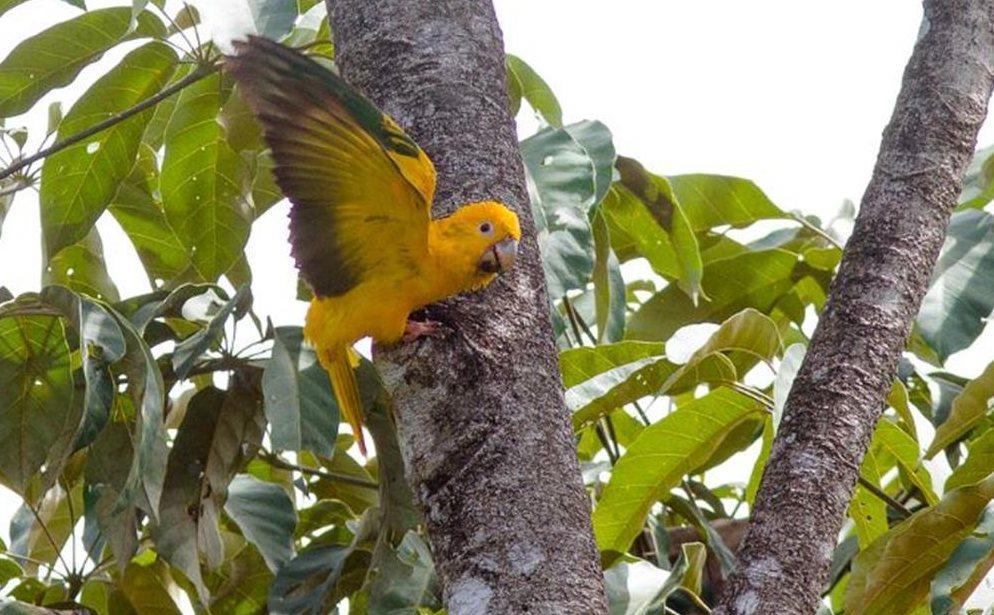
Full Day Birding in Amazonia National Park.
Full Day Birding in Amazonia National Park.
Full Day Birding in Amazonia National Park.
Full Day Birding in Amazonia National Park.
Read more · 3 photos
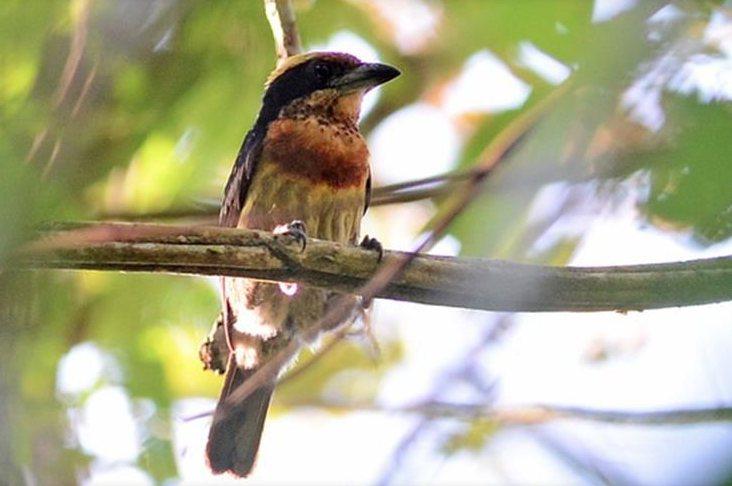
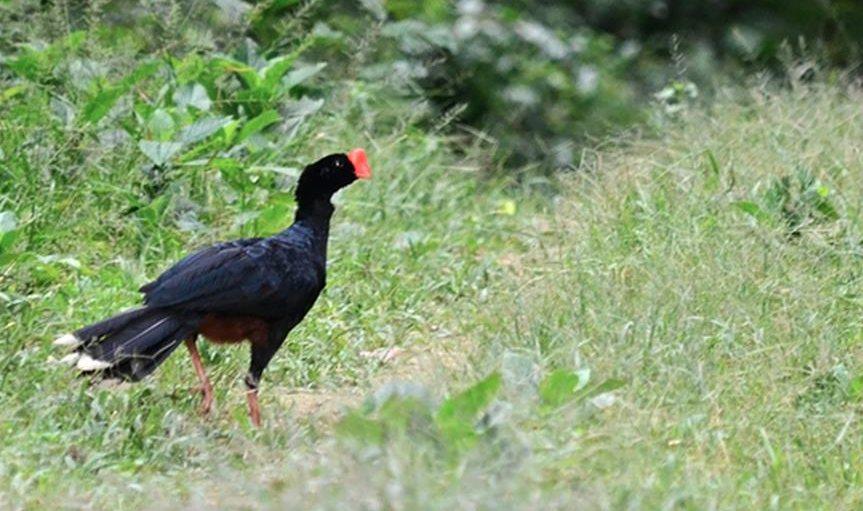
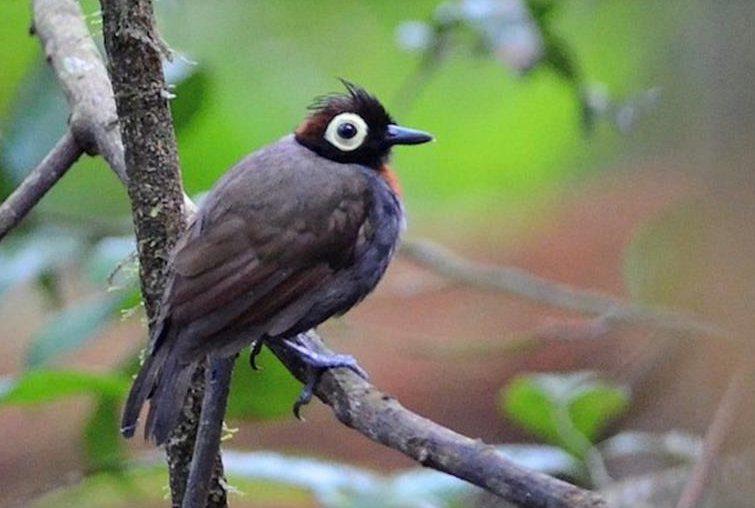
Transfer to Itaituba for our domestic flight back to Manaus.
Read more
PM Birding in Ramal do Pau Rosa.
AM and PM Birding in the surroundings of Manaus and flight to Macapá.
Read more · 1 photo
with more than 40 meters, located inside the city of Manaus, the tower is a perfect spot for canopy surprises.
we will have chances for many canopy birds such as the beautiful Crimson Fruitcrow (Haematoderus militaris) and more Guiana endemics, such as Guianan Gnatcatcher (Polioptila guianensis), Guianan Trogon (Trogon violaceus), Guianan Puffbird (Notharchus macrorhynchos), Golden-collared Woodpecker (Veniliornis cassini), Scale-breasted Woodpecker (Celeus grammicus), Black-bellied Cuckoo (Piaya melanogaster), Red-lored Parrot (Amazona autumnalis), Ash-winged Antwren (Euchrepomis spodioptila), Painted Tody-Flycatcher (Todirostrum pictum), Olive-green Tyrannulet (Phylloscartes virescens), Pompadour Cotinga (Xipholena punicea), Spangled Cotinga (Cotinga cayana), Short-billed Honeycreeper (Cyanerpes nitidus), Dotted Tanager (Ixothraupis varia) and Green Aracari (Pteroglossus viridis). In addition, keep an eye out for large hawks flying over.
AM Birding in the famous MUSA Tower and PM Birding in varzea (flooded) forest in the municipality of Iranduba.
Transfer to Serra do Navio (+/-4hrs [210Km]). PM Birding.
Read more
municipality located right in the middle of Amapá State, inserted in a never-ending fragment of Terra Firme forest. A great place to look for sensible species of the Guiana Endemism Center. Serra do Navio has only 6,000 inhabitants and is surrounded by green. Even from the hotel we can hear fantastic species. We will be birding in existing vicinal roads nearby town.
here are some of the targets we will look for in our 2 full days here: Band-tailed Antshrike (Thamanophilus melanothorax), Black-throated Antshrike (Frederickena viridis), Todd’s Antwren (Herpsilochmus stictocephalus), McConnell’s Spinetail (Synallaxis macconnelli), Chestnut-rumped Woodcreeper (Xiphorhynchus pardalotus), Todd’s Sirystes (Todd’s Sirystes), White-fronted Manakin (Lepidothrix serena), White-throated Manakin (Corapipo gutturalis), Dusky Purpletuft (Iodopleura fusca), Tiny Tyrant-Manakin (Tyranneutes virescens), Blue-backed Tanager (Cyanicterus cyanicterus), Spot-tailed Antwren (Spot-tailed Antwren), and many more.
AM and PM Birding in Serra do Navio.
AM and PM Birding in Serra do Navio.
AM Birding and transfer to Macapá (+/-4hrs [210Km]). PM Birding.
Read more
located on the equator line, right next to the mouth of the famous Rio Amazonas, here there are various habitats to go birding: varzea fields, varzea forests and cerrado. And because of these different habitats, we have a wide variety of birds we could find here.
among the birds we could see, here are a few highlights: Scaled Spinetail (Cranioleuca muelleri), Crimson-hooded Manakin (Pipra aureola), Wing-barred Seedeater (Sporophila americana), Crested Bobwhite (Colinus cristatus), Double-striped Thick-knee (Burhinus bistriatus), Green-rumped Parrotlet (Forpus passerinus), Blackish-gray Antshrike (Thamnophilus nigrocinereus), White-bellied Antbird (Myrmeciza longipes), Ruddy-breasted Seedeater (Sporophila minuta) and many more.
AM Birding and flight to Manaus. Departure or Extension.
Transfer to Novo Airão (+/-3½hrs [200Km]). PM Birding in the Terra Firme.
AM Birding in the islands of Anavilhanas National Park.
Read more · 1 photo
one of the largest fluvial archipelagos in the world, Anavilhanas National Park has more than 340 islands comprising its natural beauty. There are numerous archaeological sites not yet studied in the region. The unit became a National Park by the Law 11799 of October 29, 2008. The Park comprises 70% of upland forests and 30% of Igapó areas and islands that are legally protected. The park has an area of 350,000 hectares, which includes the archipelago of Anavilhanas in the Negro River and an extensive strip of land on the left bank of the river. The archipelago covers an area of 100,000 hectares, dominated by Igapó, a forest that floods seasonally, by black water that is relatively low in nutrients.
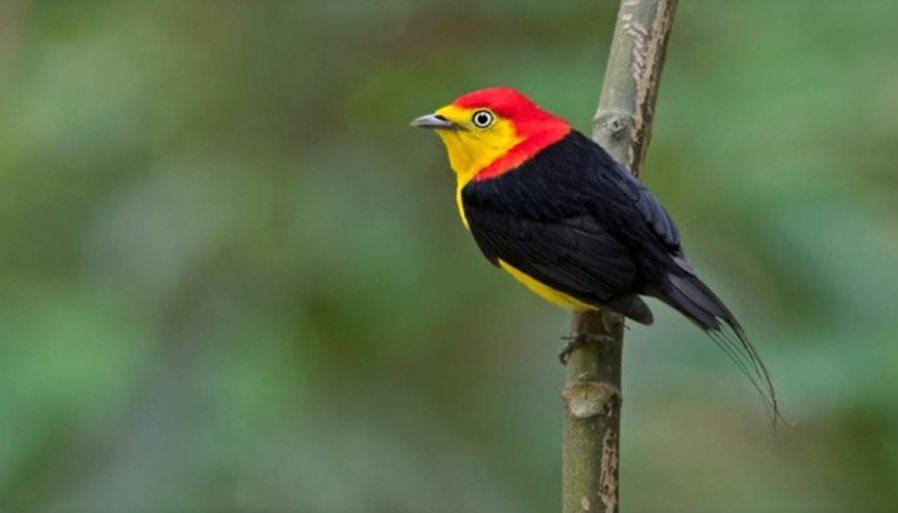
Home to endless species of fantastic birds like the beautiful Wire-tailed Manakin (Pipra filicauda), Blackish-gray Antshrike (Thamnophilus nigrocinereus), Cherrie's (Myrmotherula cherriei) and Klage's Antwrens (Myrmotherula klagesi), Ash-breasted Antbird (Myrmoborus lugubris), Green-tailed Jacamar (Galbula galbula), Zimmer’s Woodcreper (Dendroplex kienerii) and more.
PM transfer to Presidente Figueiredo (+/-5hrs [320Km]). PM Birding if we have time.
AM and PM Birding in Presidente Figueiredo.
Read more · 1 photo
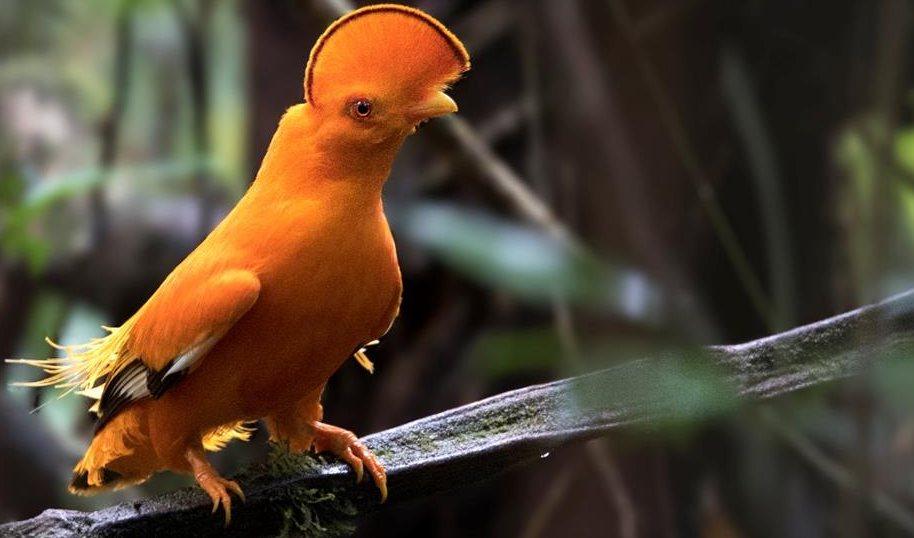
The city of Presidente Figueiredo, 100km north of Manaus, has unique characteristics due to its rugged terrain. A real paradise with over 50 waterfalls and, most important, is home of the spectacular Guianan Cock-of-the-Rock (Rupicola rupicola). We will visit the lek of this wonder.
Other than the Guianan Cock-of-the-Rock, several species have this region as the southernmost part of their distribution limits, such as the Painted Parakeet (Pyrrhura picta), White-breasted Wood-wren (Henicorhina leucosticta) and Dusky Purpletuft (Iodopleura fusca). We will also visit a Campina environment (White sand soil Forest) with its unique birds, such as Black Manakin (Xenopipo atronitens), Pale-vented Mourner (Rhytipterna immunda), Northern Slaty-Antshrike (Thamnophilus punctatus), not to mention the emblematic Pelzeln's Tody-Tyrant (Hemitriccus inornatus).
In Presidente Figueiredo there are various places where we can bird, and we will play it by heart in the field to see which spots we will hit first in these birding days. Cachoeira da Onça: our main targets will be the legendary Musician Wren (Cyphorhinus arada) and the strange Capuchinbird (Perissocephalus tricolor) and others such as Rufousthroated Antbird (Gymnopithys rufigula), Black-headed Antbird (Percnostola rufifrons), Cinereous Antshrike (Thamnomanes caesius), Yellow-crowned Manakin (Heterocercus flavivertex). Cachoeira das Lages: an environment with white sand, in a vegetation known as “campinarana” our targets are Green-tailed Goldenthroat (Polytmus theresiae), Bronzy Jacamar (Galbula leucogastra), White-naped Seedeater (Sporophila fringilloides), Black Manakin (Xenopipo atronitens), Pale-bellied Mourner (Rhytipterna immunda). Mari-Mari: around the lodge there are some nice birds to check out such as Northern SlatyAntshrike (Thamnophilus punctatus), Saffron-crested Tyrant-Manakin (Neopelma chrysocephalum), Olivaceous Schiffornis (Schiffornis olivacea), Pelzeln’s Tody-Tyrant (Hemitriccus inornatus), Golden-headed Manakin (Ceratopipra erythrocephala), Variable Chachalaca (Ortalis motmot) and others. Iracema Falls: Among the many birds we might see, here are a few of the targets: Crimson Topaz (Topaza pella), Black Curassow (Crax alector), Guianan Warbling-Antbird (Hypocnemis cantator), Mouse-colored Antshrike (Thamnophilus murinus), Cinnamon ManakinTyrant (Neopipo cinnamomea), Double-banded Pygmy-Tyrant (Lophotriccus vitiosus), Wingbanded Wren (Microcerculus bambla), Guianan Red-Cotinga (Phoenicircus carnifex), Whitefronted Manakin (Lepidothrix serena).
AM and PM Birding in Presidente Figueiredo.
Transfer back to Manaus for Departure (+/-2hrs [140Km]).
Visual journey
Make it yours
Every trip we design is unique, built around your wish list, dates and dream destinations.
Start planning my tripThis is a sample itinerary from a past custom trip. Every tailored tour is built around your dates, pace and target list.