Day
0
0
Rio Branco
On this day you will be arriving from Serra do Divisor National Park. Bruno will be arriving late from São Paulo. You will meet up with him the next morning at 4:30 for breakfast.

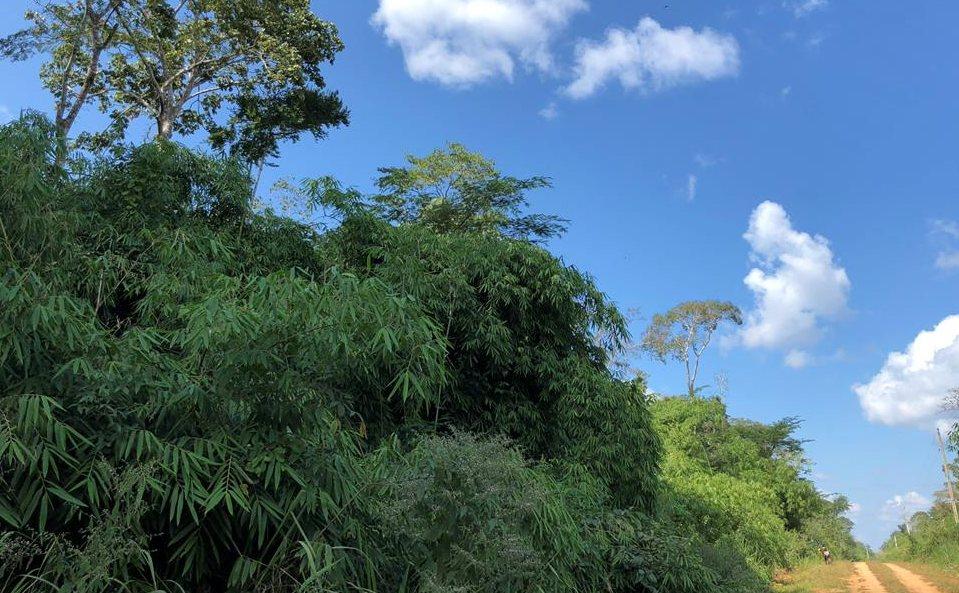
The most challenging and rewarding Amazon adventure we offer
Duration
Region
3 states
Brazil
About this itinerary
Nineteen days in the western Brazilian Amazon, driving under 2,500 km, with the chance of seeing over 500 bird species, including extremely rare and enigmatic birds such as Rondonia Bushbird, Chico’s Tyrannulet and Rufous Twistwing.
A difficult yet amazing adventure through some of the most remote birding areas in the Brazilian Amazon.
The route
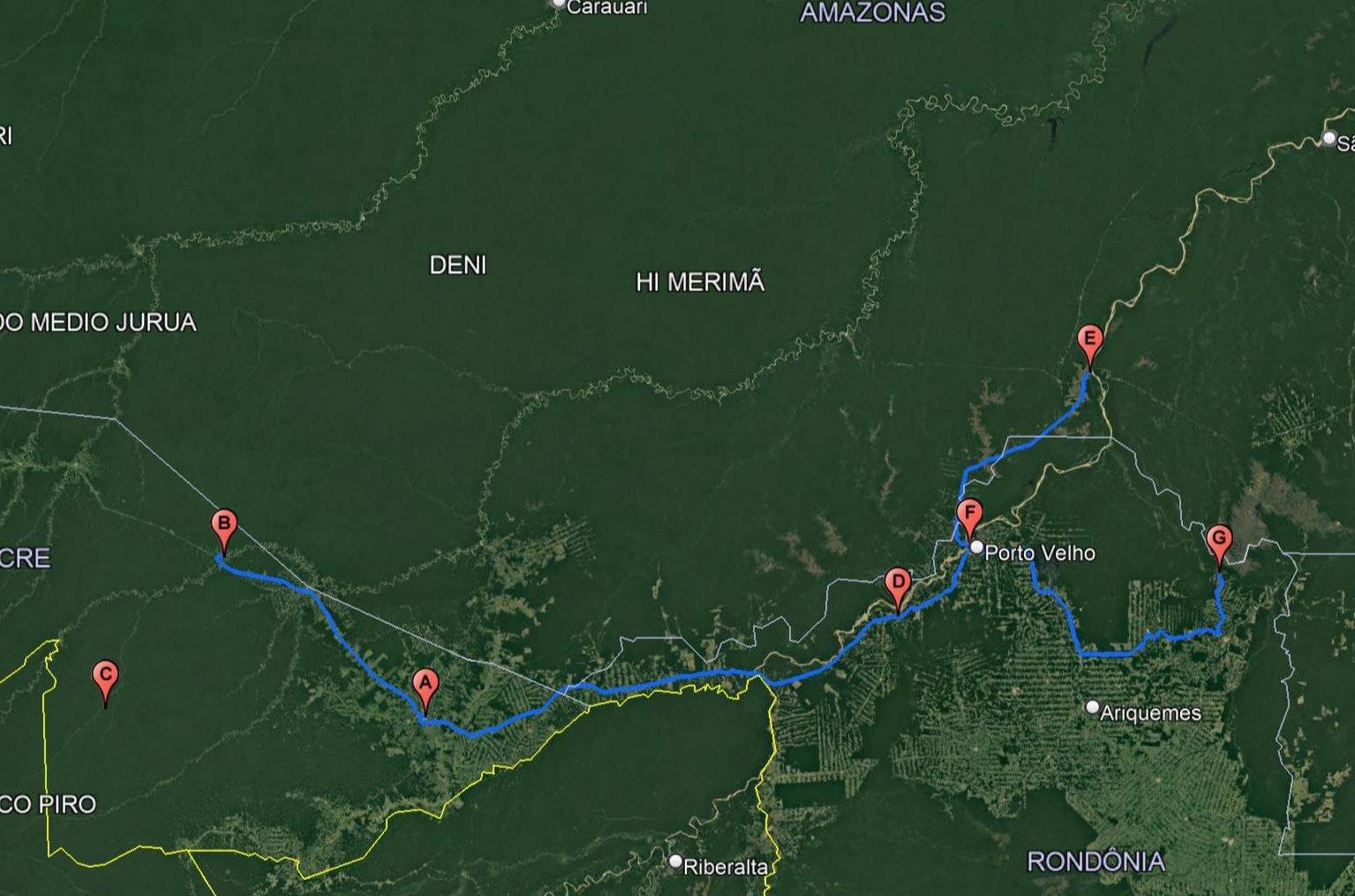
Rio Branco (A), Manoel Urbano (B), Chandless State Park (C), Jaci Paraná (D), Humaitá (E), Porto Velho (F), Tabajara (Machadinho D’Oeste) (G).
| Day | Route | Plan |
|---|---|---|
| 0 | Rio Branco | Arrivals |
| 1 | Rio Branco | AM and PM Birding |
| 2 | Rio Branco | AM and PM Birding |
| 3 | Rio Branco – Manoel Urbano – Chandless (10h) | Transfer |
| 4 | Chandless State Park | AM and PM Birding |
| 5 | Chandless State Park | AM and PM Birding |
| 6 | Chandless State Park | AM and PM Birding |
| 7 | Chandless – Manoel Urbano – Rio Branco (10h) | Transfer |
| 8 | Rio Branco – Jaci Paraná (430km) | Transfer. PM Birding |
| 9 | Jaci Paraná | AM and PM Birding |
| 10 | Jaci Paraná – Humaitá (300km) | AM Birding. Transfer. PM Birding |
| 11 | Humaitá | AM and PM Birding |
| 12 | Humaitá | AM and PM Birding |
| 13 | Humaitá – Porto Velho (210km) | AM Birding. Transfer. PM Birding |
| 14 | Porto Velho | AM and PM Birding |
| 15 | Porto Velho – Tabajara (350km) | Transfer. PM Birding |
| 16 | Tabajara (Machadinho d’Oeste) | AM and PM Birding |
| 17 | Tabajara (Machadinho d’Oeste) | AM and PM Birding |
| 18 | Tabajara – Porto Velho (350km) | AM Birding. Transfer |
| 19 | Porto Velho | Departures |
Day by day
On this day you will be arriving from Serra do Divisor National Park. Bruno will be arriving late from São Paulo. You will meet up with him the next morning at 4:30 for breakfast.
AM and PM Birding in Rio Branco.
Read more · 5 photos
Rio Branco is the capital of Acre, located in the valley of the Acre River. It is known because of the “rubber cycle” due to its process of settlement based on the rubber extracted from Seringa trees. In this region, there are big stands of Bamboos that give us the chance to record the birds considered bamboo specialists.
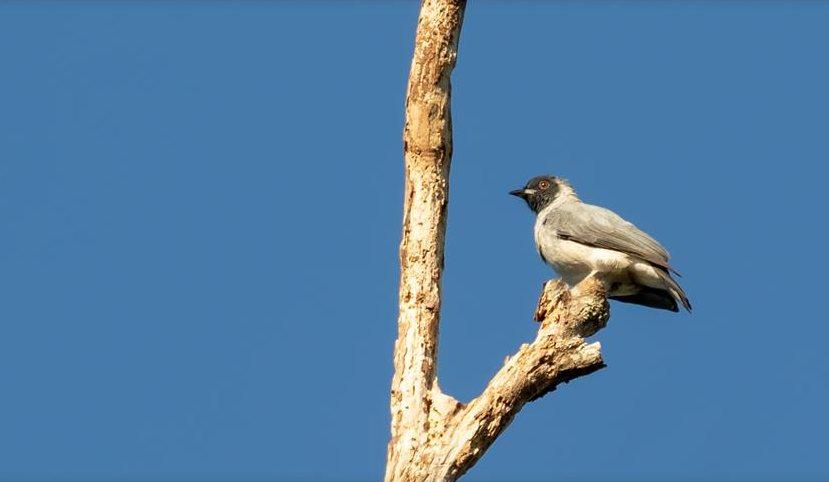
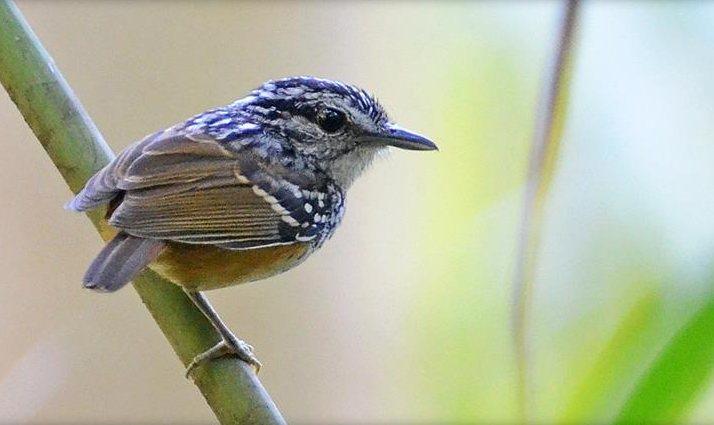
The targets for us here will be Rufous Twistwing (Cnipodectes superrufus), Blueheaded Macaw (Primolius couloni), White-bellied Parrot (Pionites leucogaster), Black-capped Parakeet (Pyrrhura rupicola), Amazonian Parrotlet (Nannopsittaca dachilleae), Orangefronted Plushcrown (Metopothrix aurantiaca), Striated Antbird (Drymophila devillei), Dusky Leaftosser (Sclerurus obscurior), Bamboo Antshrike (Cymbilaimus sanctaemariae), Bamboo Antwren (Myrmotherula oreni), Goeldi's Antbird (Myrmeciza goeldii), Acre Tody-tyrant (Hemitriccus cohnhafti), Long-crested Pygmy-Tyrant (Lophotriccus eulophotes), Flammulated Bamboo-tyrant (Hemitriccus flammulatus), White-eyed Attila (Attila bolivianus), Ianambari Woodcreeper (Lepidocolaptes fatimalimae), White-throated Jacamar (Brachygalba albogularis), White-lined Antbird (Myrmoborus lophotes), Yellow-billed Nunbird (Monasa flavirostris), Riparian Antbird (Cercomacroides fuscicauda), Speckled Spinetail (Cranioleuca gutturata), Rufous-breasted Piculet (Picumnus rufiventris), Fine-barred Piculet (Picumnus subtilis), Lemon-throated Barbet (Eubucco richardsoni), Black-throated Toucanet (Aulacorhynchus atrogularis), Brown-rumped Foliage-gleaner (Automolus melanopezus), Peruvian Recurvebill (Syndactyla ucayalae), Purple-throated Cotinga (Porphyrolaema porphyrolaema), White-rumped Sirystes (Sirystes albocinereus), Sulphur-bellied Tyrantmanakin (Neopelma sulphureiventer), Rufous-headed Woodpecker (Celeus spectabilis), Yellow-cheeked Becard (Pachyramphus xanthogenys), Southern Nightingale-Wren (Microcerculus marginatus), Silky-tailed Nightjar (Antrostomus sericocaudatus), Black-and-white Tanager (Conothraupis speculigera), Opal-crowned Tanager (Tangara callophrys) and Black-faced Cotinga (Conioptilon mcilhennyi). Many of the birds mentioned above are not at all easy targets. In the field we could discuss about the difficulty of determined species as the surprises of each day unravels.
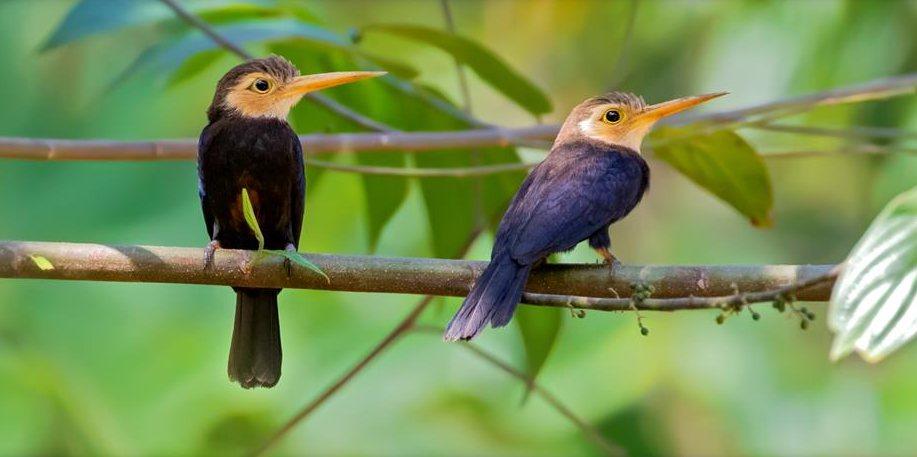
On this day we will have a very long transfer to reach Chandless State Park. We will drive approximately 2 hours to Manoel Urbano, where we will get a boat heading to Chandless. The boat transfer is about 8-10 hours. Prepare for a long day. Not to mention that this is one of the only places in the world where it is possible to record the Elusive Antpitta.
AM and PM Birding in Chandless State Park.
Read more
What makes this area different from any other place we visit is the vast area of pristine forest. Created in 2004 and with an area of 695.303 hectares, Chandless protects one of the most important areas with vast bamboo stands of Guadua in the Western Amazon of Brazil.
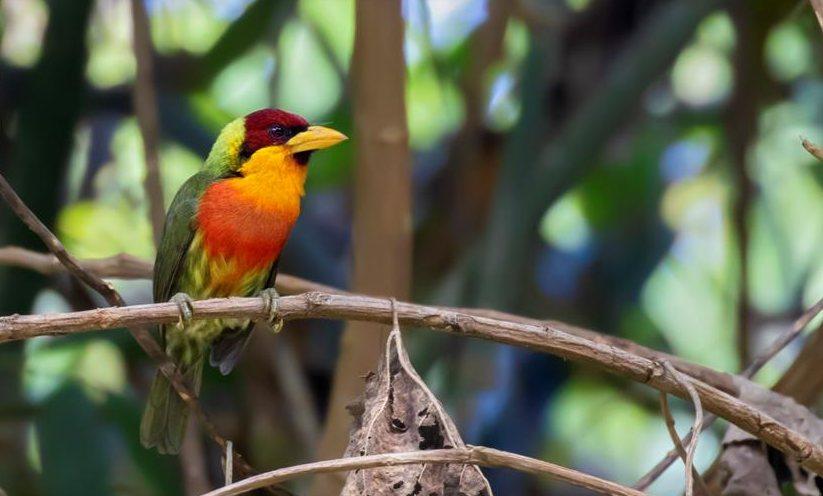
One of our main objectives will be, without a doubt, trying to see the “unseeable” Elusive Antpitta (Grallaria eludens). Fingers crossed! On our boat trip to get to the state park we will certainly see many species that like to stay near the edge of the forest, close to water, like kingfishers, Blue-throated Piping-Guan (Aburria cumanensis), maybe Spix’s Guan (Penelope jacquacu) and more. Here, we will also have the chance to look for any bamboo specialist that we might have missed in Rio Branco. Other targets here include Crested Owl (Lophostrix cristata), west Amazonian subspecies of Sapphire-spangled Emerald (Chionomesa lacteal bartletti), Black-banded Crake (Laterallus fasciatus), Bluish-fronted Jacamar (Galbula cyanescens), Scarlet-hooded Barbet (Eubucco tucinkae), Cobalt-winged Parakeet (Brotogeris cyanoptera), Plum-throated Cotinga (Cotinga maynana), Purus Jacamar (Galbalcyrhynchus purusianus), Violaceous Jay (Cyanocorax violaceus), Floodplain Thrush (Turdus debilis), Russet-backed Oropendola (Psarocolius angustifrons), Green-and-gold Tanager (Tangara schrankii), Semicollared Puffbird (Malacoptila semicincta) and many more. We if are lucky enough to see the Antpitta, we might as well try our luck with other rarities like Ash-throated Gnateater (Conopophaga peruviana), Dusky-cheeked Foliage-gleaner (Anabazenops dorsalis) and Yungas Tyrannulet (Phyllomyias weddellii).
Transfer back to Rio Branco (more or less 10 hours of transfer).
Transfer to Jaci-Paraná (+/-6hrs [430Km]). PM Birding.
Read more · 1 photo
Jaci-Paraná is a district of Porto Velho, on the right bank of the Madeira River. The main habitats that we will visit here are the várzea forest, islands of the Madeira River and Terra Firme Forest.
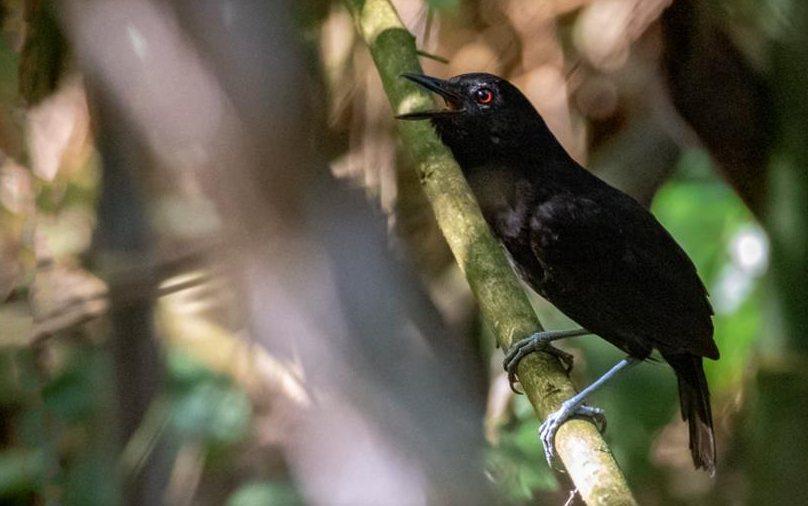
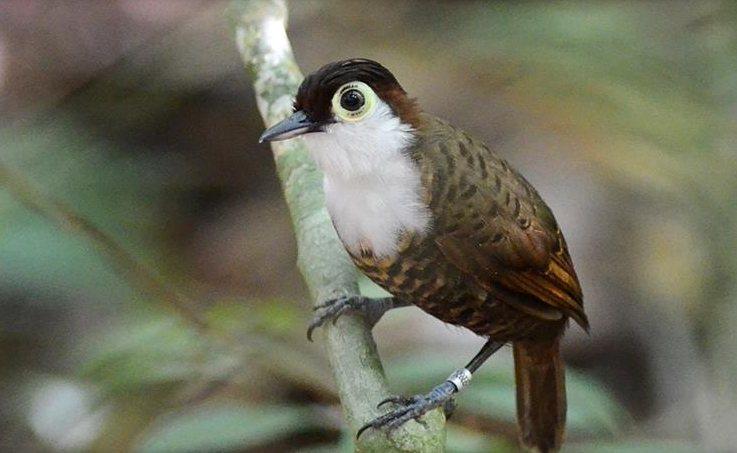
Our main target here will be, of course, the enigmatic Rondonia Bushbird (Clytoctantes atrogularis). Other special birds to look for here include Black-necked Red Cotinga (Phoenicircus nigricollis), Orinoco Goose (Neochen jubata), Chestnut-capped Puffbird (Cyphos macrodactylus), Red-fan Parrot (Deroptyus accipitrinus), Ruddy Spinetail (Synallaxis rutilans), Yellow-margined Flatbill (Tolmomyias assimilis), Drab Water-tyrant (Ochthornis littoralis), Bare-necked Fruitcrow (Gymnoderus foetidus), Dwarf Tyrant-manakin (Tyranneutes stolzmanni), Rufous-faced Antbird (Myrmelastes rufifacies), Ashy-headed Greenlet (Hylophilus pectoralis), Green Oropendola (Psarocolius viridis). The island specialties we will be looking for here include Black-and-white Antbird (Myrmochanes hemileucus), Brownish Elaenia (Elaenia pelzelni), the Amazonian subspecies of Lesser Wagtail-Tyrant (Stigmatura napensis napensis), Riverside Tyrant (Knipolegus orenocensis), Parker’s Spinetail (Cranioleuca vulpecula), Little Ground-Tyrant (Syrtidicola fluviatilis), Lesser Hornero (Furnarius minor) and White-bellied Spinetail (Mazaria propinqua).
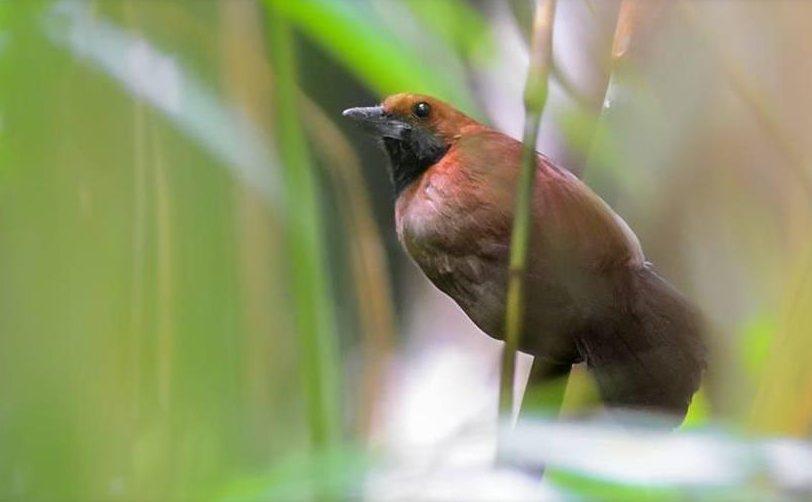
AM and PM Birding in Jaci-Paraná.
AM Birding. Transfer to Humaitá (+/-5hrs [300Km]). PM Birding.
Read more · 2 photos
not far from Porto Velho and located in the State of Amazonas, the main habitats in this region are Terra Firme Forests, savanna habitat (Campinas and Campinaranas of Humaitá and the unusual “Cerrado” in the middle of the Amazon Rainforest). We will also visit várzea (forest habitat that is seasonally flooded) areas near Humaitá. Our focus here will be the Terra Firme and Campina birds.
Our targets in the várzeas near the ferry will be Plain Softtail (Thripophaga fusciceps), Tui Parakeet (Brotogeris sanctithomae), Short-tailed Parrot (Graydidascalus brachyurus), Festive Amazon (Amazona festiva), Rusty-backed Spinetail (Cranioleuca vulpina), Long-billed Woodcreeper (Nasica longirostris), Spot-breasted Woodpecker (Colaptes punctigula), Masked Crimson Tanager (Ramphocelus nigrogularis), Black-chinned Antbird (Hypocnemoides melanopogon), Leaden Antwren (Myrmotherula assimilis), Zimmer’s Woodcreeper (Dendroplex kienerii) and more. In the other areas we will visit the targets include Needle-billed Hermit (Phaethornis philippii), Paradise Jacamar (Galbula dea), Brown-mandibled Aracari (Pteroglossus mariae), Brown-banded Puffbird (Notharchus ordii), Gilded Barbet (Capito auratus), Red-necked Woodpecker (Campephilus rubricollis), Humaita Antbird (Myrmelastes humaythae), Madeira Stipple-throated (Epinecrophylla amazonica), Hairy-crested Antbird (Rhegmatorhina melanosticta), White-crested Spadebill (Platyrinchus platyrhynchos), Fiery-capped Manakin (Machaeropterus pyrocephalus), Paradise Tanager (Tangara chilensis) and Rufous-bellied Euphonia (Euphonia rufiventris). Other species that we have the chance of seeing but with a lot more luck involved are Undulated Antshrike (Frederickena unduliger), Black Bushbird (Neoctantes niger), Bar-bellied Woodcreeper (Hylexetastes stresemanni) and Fulvous-chinned Nunlet (Nonnula sclateri). In the Cerrado area we will try to see the secretive Ocellated Crake (Micropygia schomburgkii), never an easy bird to see. We will also look for White-rumped Tanager (Cypsnagra hirundinacea), Sharp-tailed Tyrant (Culicivora caudacuta) and a few other birds related to this habitat in the amazon, like the Southern Scrub-Flycatcher (Sublegatus modestus) and more.
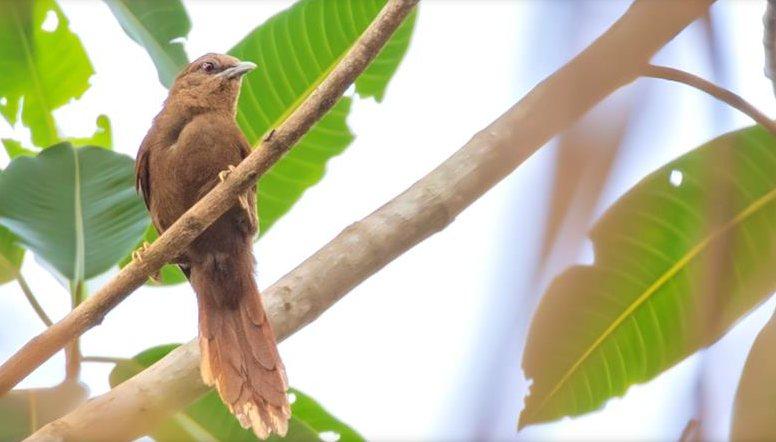
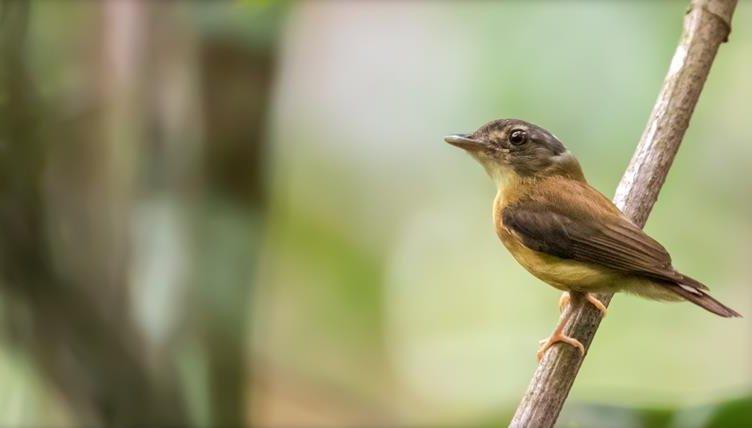
AM and PM Birding in Humaitá.
AM Birding in Humaitá. Transfer to Porto Velho (+/-3hrs [210Km]). PM Birding.
Read more · 2 photos
Porto Velho is the capital of Rondônia, located aside the Madeira River, an important geographic barrier between two centers of endemism; Rondônia and Inambari. These centers of endemism make this area special for birds with many rarities and it will add fantastic species to our tour. Here, we will explore the left/west bank of the Madeira River.
By crossing to the left/west margin of Madeira River we will be in the Inambari Center of Endemism for the first time on this trip which will present to us a whole new variety of bird species to add on to the trip. Our main targets here will be the Predicted Antwren (Herpsilochmus praedictus), Azure-naped [Campina] Jay (Cyanocorax heilprini hafferi), Western Striolated-Puffbird (Nystalus obamai) and more. Other species we will look for include Slender-billed Kite (Helicolestes hamatus), Gilded Barbet (Capito auratus), Curlcrested Aracari (Pteroglossus beauharnaesii), Golden-collared Toucanet (Selenidera reinwardtii), Bar-breasted Piculet (Picumnus aurifrons), Lined Forest-falcon (Micrastur gilvicollis), White-bellied Parrot (Pionites leucogaster), Peruvian Warbling-Antbird (Hypocnemis peruviana), Sooty Antbird (Hafferia fortis), White-throated Antbird (Oneillornis salvini), Madeira Stipple-throated Antwren (Epinecrophylla amazonica), Inambari Woodcreeper (Lepidocolaptes fatimalimae), Slender-billed Xenops (Xenops tenuirostris), Broad-billed Motmot (Electron platyrhynchum), Bronzy Jacamar (Galbula leucogastra), Pompadour Cotinga (Xipholena punicea), Rothchild’s Blue Grosbeak (Cyanoloxia rothschildii), Amazonian Scrub-flycatcher (Sublegatus obscurior), Brownish Twistwing (Cnipodectes subbrunneus), Citron-bellied Attila (Attila citriniventris), Dotted Tanager (Ixothraupis varia), Red-billed Pied Tanager (Lamprospiza melanoleuca), Cinnamon Manakintyrant (Neopipo cinnamomea) and Inambari Gnatcatcher (Polioptila attenboroughi).
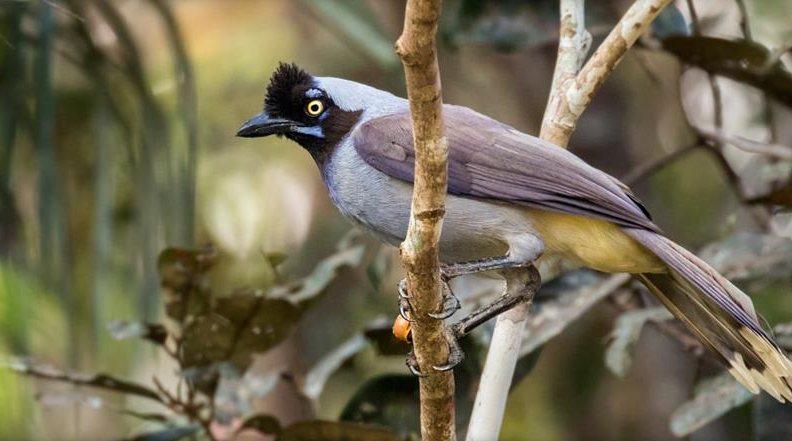
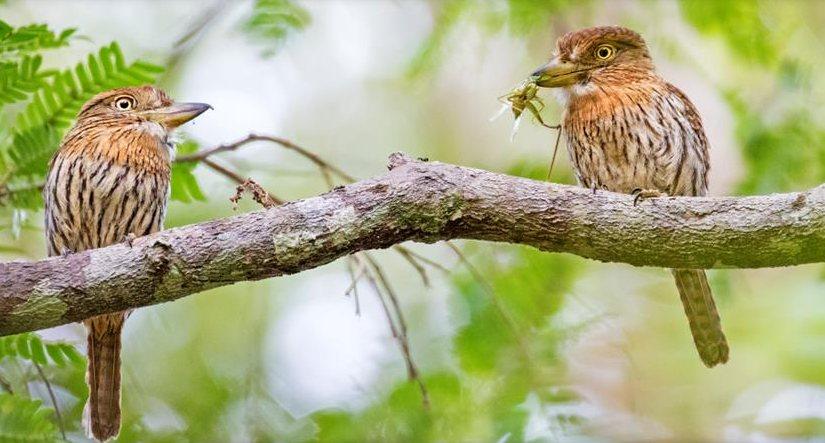
AM and PM Birding in Porto Velho.
Transfer to Machadinho D’Oeste (Tabajara) (+/-6hrs [350Km]). PM Birding in Tabajara.
Read more · 4 photos
located in Machadinho D’Oeste, inside the buffer zone of Campos Amazônicos National Park and along the Machado River. This region houses a variety of fantastic habitats that we will explore, such as “campinas” and “campinaranas” that are areas of white sand savannas inserted in the Amazonian “biome”. The main difference is that “campinas” are composed mainly of shrubs and short trees and “campinaranas” are considered the transition between campinas and Amazonian Rainforest. We will also visit the right margin of Machado River, where we will look for some super range-restricted specialties. If we have time, we will go birding in some Terra Firme areas as well (Amazon Rainforest that is not influenced by the floods). The variety of environments give us the chance to record a high number of bird species, including some very special ones; great way to start off our trip. We will be lodged in a simple/basic hotel, which unfortunately does not have electric/hot shower, but with air-conditioning.
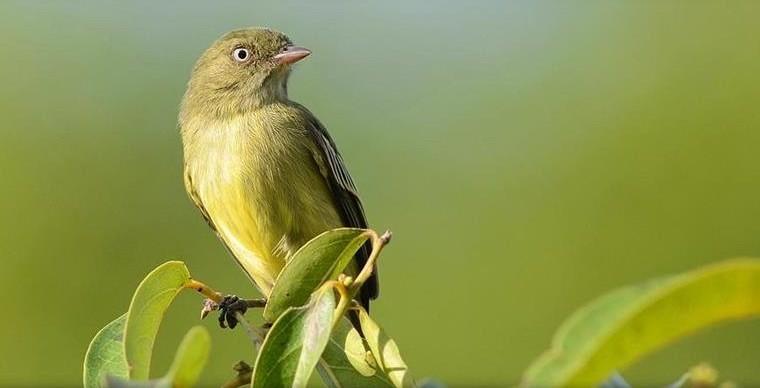
On our day out by boat to visit the right margins of the Machado River there are three main species that we will look for: Roosevelt Stipplethroat (Epinecrophylla dentei), Manicore Warbling-Antbird (Hypocnemis rondoni) and the Aripuana Antwren (Herpsilochmus stotzi). If we are very lucky, we might detect the super rare and difficult Pale-faced Bare-eye (Phlegopsis borbae). To see it is a whole different story, but of course, we will try our best. Let’s hope for an ant swarm to make things easier. Besides these specialties in the right margin of Rio Machado, there are many other species that we will keep on our radar: Razor-billed Curassow (Mitu tuberosum), Spix's Guan (Penelope jacquacu), Slate-colored Hawk (Buteogallus schistaceus), Cryptic Forest-Falcon (Micrastur mintoni), Sunbittern (Eurypyga helias), Sungrebe (Heliornis fulica), Green-winged Trumpeter (Psophia viridis), Black-bellied Cuckoo (Piaya melanogaster), White-breasted Antbird (Rhegmatorhina hoffmannsi), Amazonian Pygmy-owl (Glaucidium hardyi), Sand-colored Nighthawk (Chordeiles rupestris), Crimson Topaz (Topaza pella), Green-tailed Goldenthroat (Polytmus theresiae), Blue-tailed Emerald (Chlorostilbon mellisugus), Pavonine Quetzal (Pharomachrus pavoninus), Blue-necked Jacamar (Galbula cyanicollis), White-necked Puffbird (Notharchus hyperrhynchus), Natterer’s Striolated Puffbird (Nystalus striolatus), Black-girdled Barbet (Capito dayi), Ringed Woodpecker (Celeus torquatus), Red-necked Aracari (Pteroglossus bitorquatus), Kawall’s Amazon (Amazona kawalli), Crimson-bellied Parakeet (Pyrrhura perlata), Golden-winged Parakeet (Brotogeris chrysoptera), Pearly Antshrike (Megastictus margaritatus), Glossy Antshrike (Sakesphorus luctuosus), Southern Chestnut-tailed Antbird (Sciaphylax hemimelaena), Amazonian Streaked Antwren (Myrmotherula multostriata), Rondonia Warbling Antbird (Hypocnemis ochrogyna), Natterer’s Slaty-Antshrike (Thamnophilus stictocephalus), Chestnut-belted Gnateater (Conopophaga aurita), Rufous-crowned Elaenia (Elaenia ruficeps), Rondonia Woodcreeper (Lepidocolaptes fuscicapillus), Elegant Woodcreeper (Xiphorhynchus elegans), Uniform Woodcreeper (Hylexetastes uniformis), Spangled Cotinga (Cotinga cayana), Queen Manakin (Chiroxiphia regina), Cinnamon Manakin-tyrant (Neopipo cinnamomea), Golden-crowned Spadebill (Platyrinchus coronatus), Black-collared Swallow (Pygochelidon melanoleuca), Redshouldered Tanager (Tachyphonus phoeniceus), Snethlage's Tody-tyrant (Hemitriccus minor), Buff-cheeked Tody-flycatcher (Poecilotriccus senex), Pale-bellied Mourner (Rhytipterna immunda), Black Manakin (Xenopipo atronitens) and Chico's Tyrannulet (Zimmerius chicomendesi).
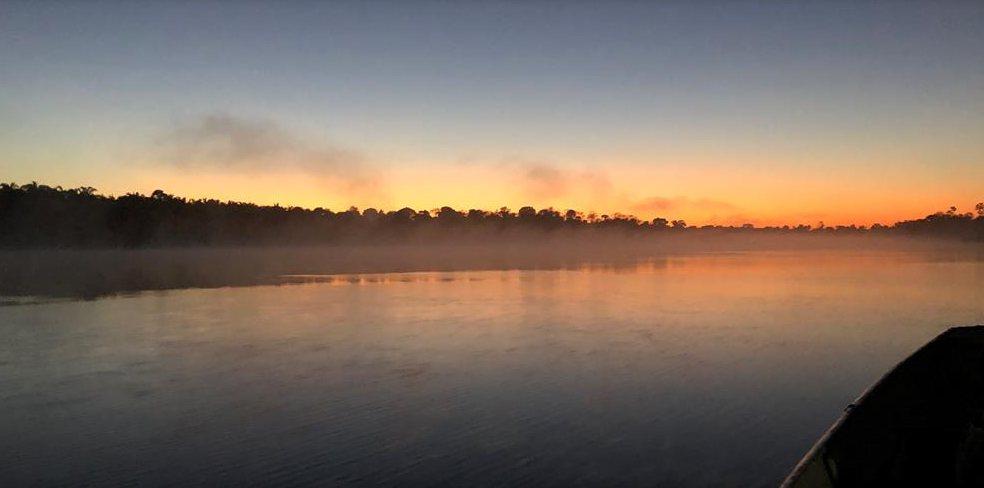
AM and PM Birding in Tabajara.
AM Birding in Tabajara and transfer back to Porto Velho (+/-6hrs [350Km]).
Departures or Extension.
Visual journey
Make it yours
Every trip we design is unique, built around your wish list, dates and dream destinations.
Start planning my tripThis is a sample itinerary from a past custom trip. Every tailored tour is built around your dates, pace and target list.