Day
0
0
Arrivals in São Paulo (Guarulhos Airport), where we spend the night
Arrivals in São Paulo (Guarulhos Airport), where we spend the night.

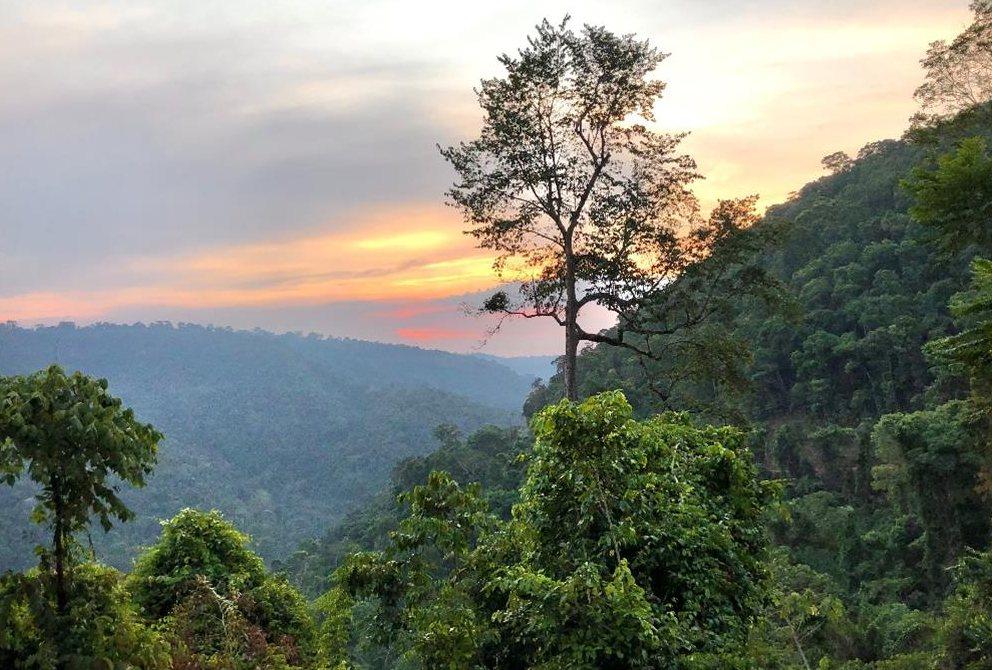
Tie your boots: this will certainly be a memorable journey
Duration
Region
4 states
Brazil
About this itinerary
We begin our journey in the exuberant Atlantic Forest of the Southeast, with plenty of beautiful tanagers, toucans and great endemics. Then we will be amazed by the extraordinary biodiversity of Carajás National Forest and the range-restricted endemics of the Belém Center of Endemism.
Our third stop is Amazônia National Park, where we look for some very difficult yet rewarding targets. We “take a break” in the Manaus region to pick up a few more targets and then head to Roraima, for many birds exclusive to the northern portion of Brazil. Tie your boots and get ready: this will certainly be a memorable journey through this vast country!
The route
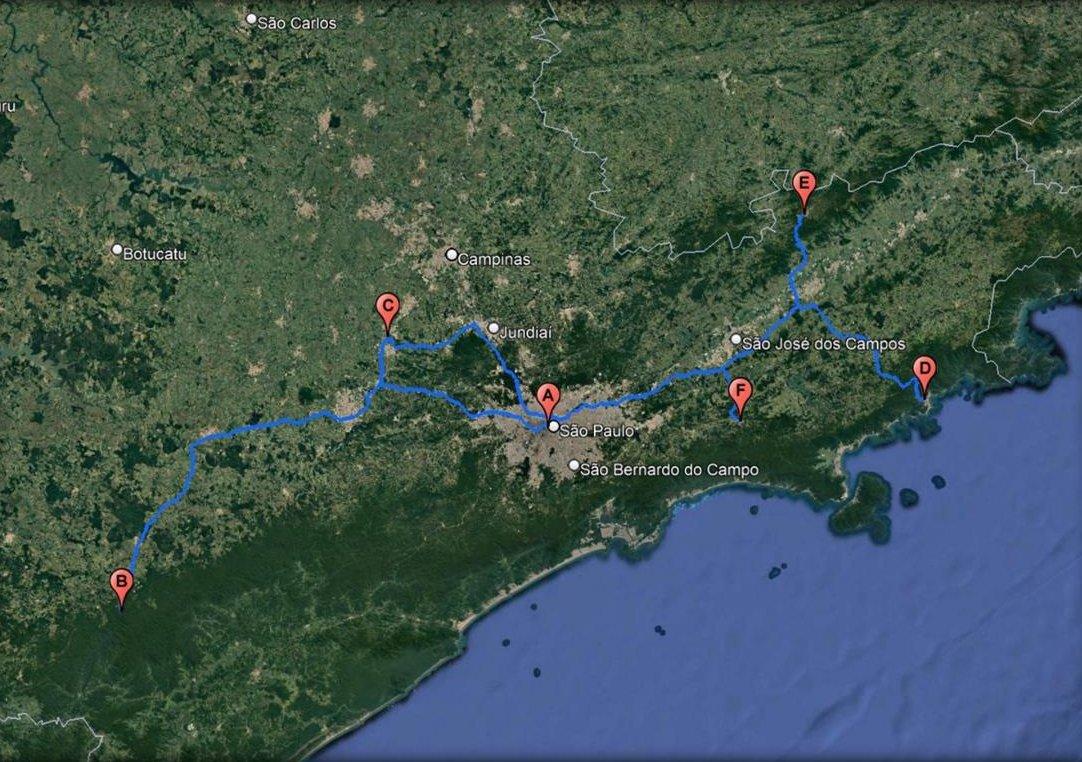
Part I – Southeast Brazil: São Paulo (A), Intervales State Park (B), Guaraú (C), Ubatuba (D) Campos do Jordão (E) Salesópolis (F).
Part II – State of Pará: Parauapebas (G), Paragominas (H), Belém (I).
Part III – Manaus/Itaituba: Manaus (J), Itaituba (K), Amazonia National Park (L), Presidente Figueiredo (M), Itacoatiara (N), Cirandeira Bela Amazon Cabins/Manacapuru (O), Novo Airão (P).
Part IV – Roraima: Boa Vista (Q), Serra do Tepequém (R), Caracaraí (S), Mucajaí (T).
| Day | Route | Plan |
|---|---|---|
| 1 | São Paulo – Intervales State Park (290km) | Transfer. PM Birding |
| 2 | Intervales State Park | AM and PM Birding |
| 3 | Intervales State Park | AM and PM Birding |
| 4 | Intervales State Park – Guaraú (300km) | Transfer. PM Birding |
| 5 | Guaraú – Ubatuba (320km) | AM Birding. Transfer. PM Birding |
| 6 | Ubatuba | AM and PM Birding |
| 7 | Ubatuba – Campos do Jordão (200km) | AM Birding. Transfer. PM Birding |
| 8 | Campos do Jordão | AM and PM Birding |
| 9 | Campos do Jordão – São Paulo (200km) | AM Birding. Transfer. PM Birding |
| 10 | São Paulo – Parauapebas (Flight) | Flight. PM Birding |
| 11 | Carajás National Forest (Parauapebas) | AM and PM Birding |
| 12 | Carajás National Forest (Parauapebas) | AM and PM Birding |
| 13 | Carajás National Forest (Parauapebas) | AM and PM Birding |
| 14 | Carajás National Forest (Parauapebas) | AM and PM Birding |
| 15 | Parauapebas – Paragominas (400km) | Transfer. PM Birding |
| 16 | Paragominas | AM and PM Birding |
| 17 | Paragominas | AM and PM Birding |
| 18 | Paragominas – Belém (390km) | AM Birding. Transfer |
| 19 | Belém – Manaus (Flight) | AM Birding. Flight |
| 20 | Manaus | AM and PM Birding |
| 21 | Manaus – Itaituba (Flight) | Flight |
| 22 | Amazonia National Park (Itaituba) | AM and PM Birding |
| 23 | Amazonia National Park (Itaituba) | AM and PM Birding |
| 24 | Amazonia National Park (Itaituba) | AM and PM Birding |
| 25 | Itaituba – Manaus (Flight) | Flight |
| 26 | Manaus – Presidente Figueiredo (130km) | AM Birding. Transfer. PM Birding |
| 27 | Presidente Figueiredo | AM and PM Birding |
| 28 | Presidente Figueiredo – Itacoatiara (320km) | AM Birding. Transfer |
| 29 | Itacoatiara – Manaus (280km) | AM Birding. Transfer |
| 30 | Manaus – Manacapuru (105km) | AM Birding. Transfer. PM Birding |
| 31 | Manacapuru – Novo Airão (90km) | AM Birding. Transfer. PM Birding |
| 32 | Novo Airão – Manaus (200km) | AM Birding. Transfer |
| 33 | Manaus – Boa Vista (Flight) – Tepequém | Flight. PM Birding |
| 34 | Serra do Tepequém | AM and PM Birding |
| 35 | Tepequém – Boa Vista – Caracaraí (350km) | AM Birding. Transfer. PM Birding |
| 36 | Viruá National Park (Caracaraí) | AM and PM Birding |
| 37 | Viruá National Park (Caracaraí) | AM and PM Birding |
| 38 | Caracaraí – Boa Vista (150km) | AM Birding. Transfer |
| 39 | Boa Vista – Mucajaí (60km) | AM Birding. Transfer. PM Birding |
| 40 | Mucajaí – Boa Vista (60km) | AM Birding. Transfer |
Day by day
Arrivals in São Paulo (Guarulhos Airport), where we spend the night.
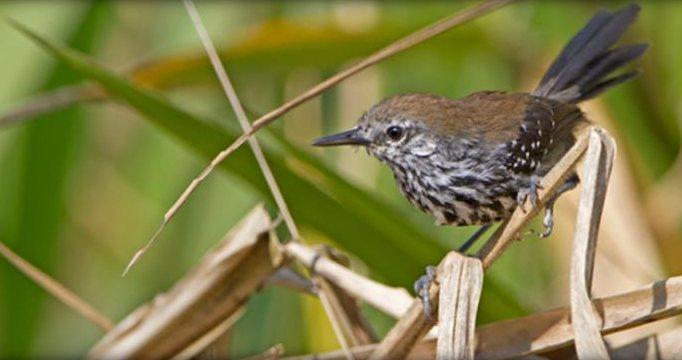
AM Birding in São Paulo to try to see the Southern Bristle-Tyrant (Phylloscartes eximius). Transfer to Intervales State Park (+/-6hrs [400Km]). PM Birding.
Read more
part of the same forest fragment as PETAR, Intervales State Park is one of the most exciting places to bird in the southeast, comprising over 400 bird species! A great place to bird, with many roads and trails to explore inside the park. We will be sleeping and eating practically inside the forest as well, so in “resting hours” anyone can feel free to explore the surroundings.
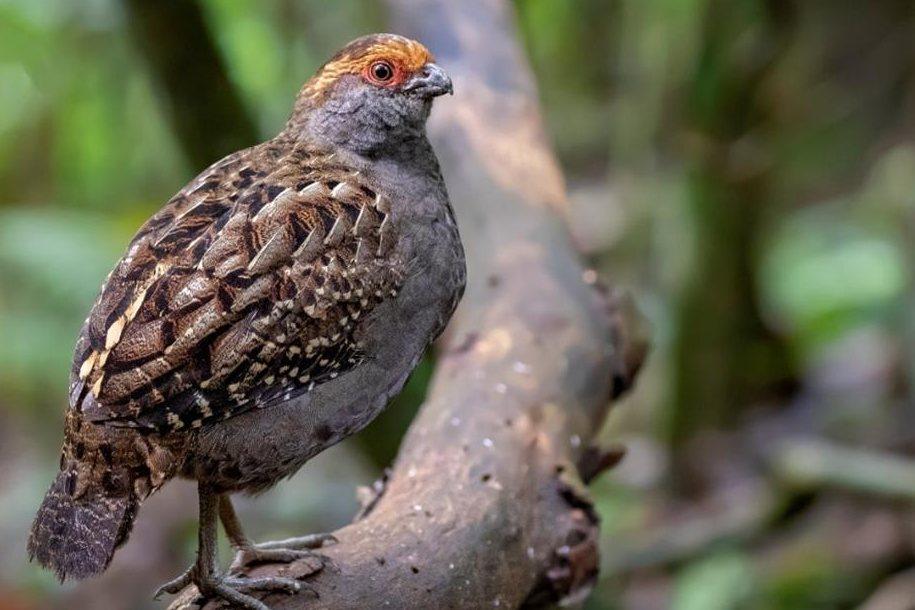
Intervales has a never-ending list of great birds to see. However, we will concentrate our efforts on the birds you need see: Dusky-throated Hermit (Phaethornis squalidus), Violet-crowned Plovercrest (Stephanoxis loddigesii), Bay-ringed Tyrannulet (Phylloscartes sylviolus), White-bearded Antshrike (Biatas nigropectus), Spot-winged WoodQuail (Odontophorus capueira), Three-striped Flycatcher (Conopias trivirgatus), Black-legged Dacnis (Dacnis nigripes), Gray-throated Warbling Finch (Microspingus cabanisi) and Chestnutbacked Tanager (Stilpnia preciosa). Two birds people usually ask about are the Russetwinged Spadebill (Platyrinchus leucoryphus) and Helmeted Woodpecker (Celeus galeatus). Although possible, only 20-30% of the groups are lucky enough to see any of them. And lets also hope that the Rufous-tailed Attila (Attila phoenicurus) is already around.
AM and PM Birding in Intervales State Park.
AM and PM Birding in Intervales State Park.
Read more · 1 photo
Transfer to Guaraú (+/-5hrs [300Km]) for PM Birding.
Read more · 2 photos
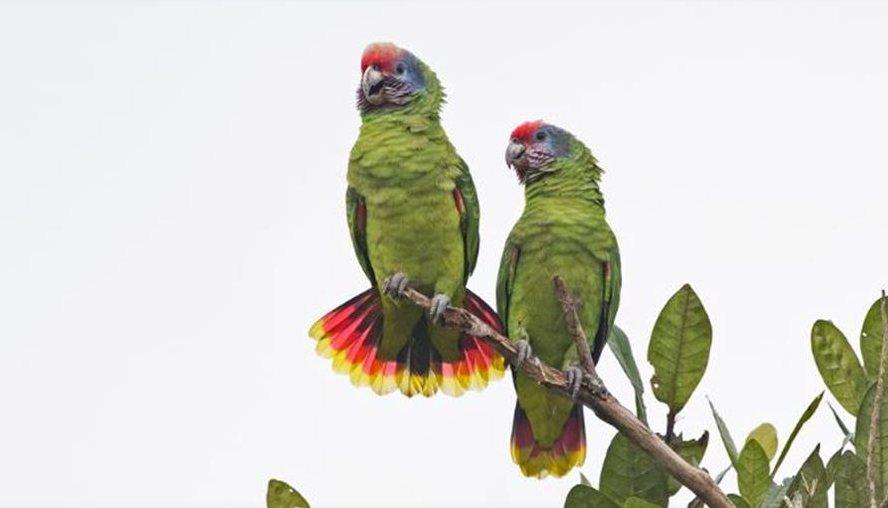
only 150Km away from the capital, this region is known for its touristic beaches and ecologic tourism. This is an interesting region to be on the tour since it is the northern distribution limit of the range-restricted and endemic Red-tailed Parrot (Amazona brasiliensis). We go to a neighboring city called Itanhaém to look for the parrot.
besides the Red-tailed Parrot, there are other species worth highlighting, like the Azure Jay (Cyanocorax caeruleus), Black-backed Tanager (Tangara peruviana) and Unicolored Antwren (Myrmotherula unicolor).
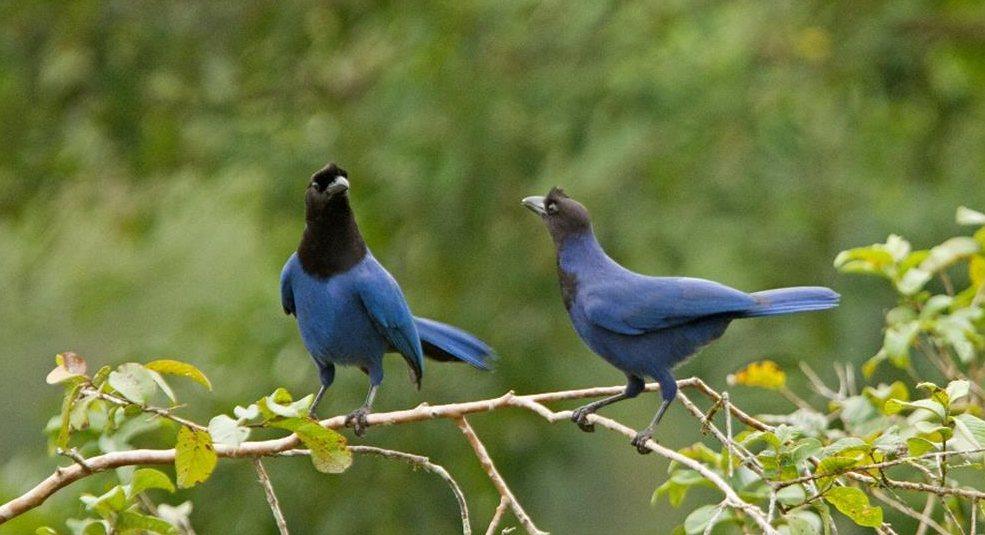
AM Birding in Guaraú and transfer to Ubatuba (+/-6hrs [320Km]), where we spend the night
AM and PM Birding in Ubatuba.
Read more · 3 photos
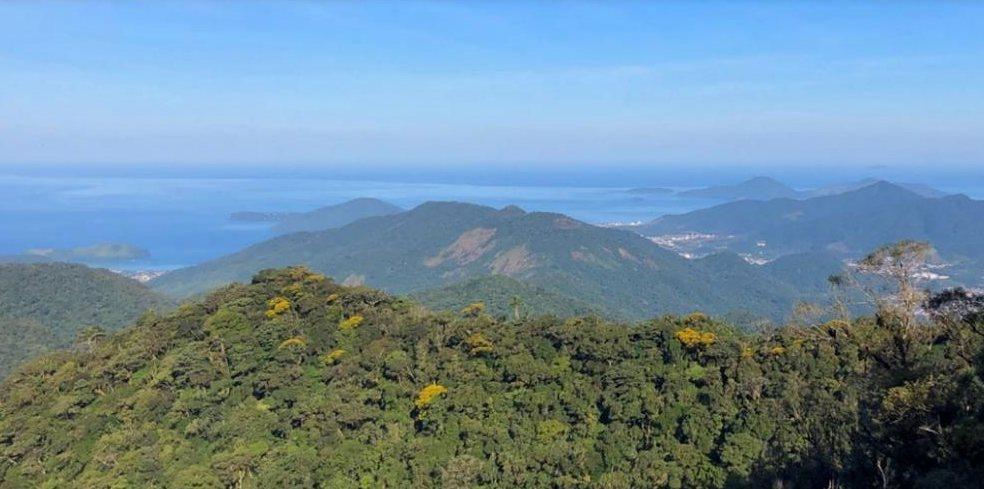
the coastal northernmost municipality of São Paulo is almost totally covered by Atlantic Forest, with many kinds of environments, going from the sea to the mountains. The variety of environments contributes to the rich biodiversity in the area, where it is possible to find more than 450 bird species. Most of the forest is protected by the Serra do Mar State Park, which comprises almost the entire São Paulo State Coast with 332,000 hectares. We will stay at a family-owned lodge called “Ninho da Cambacica”, where they have some nice feeders.
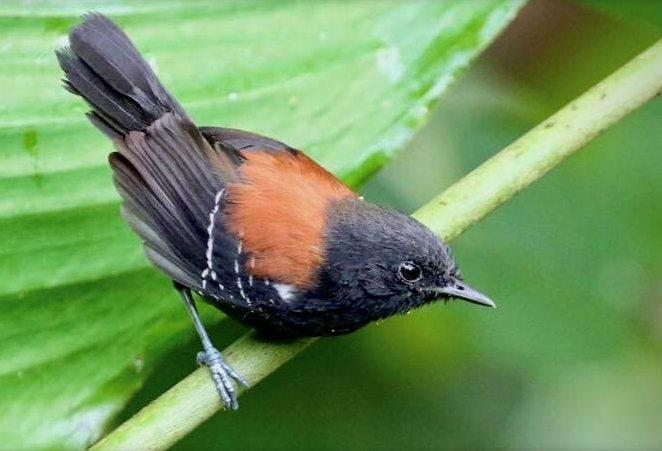
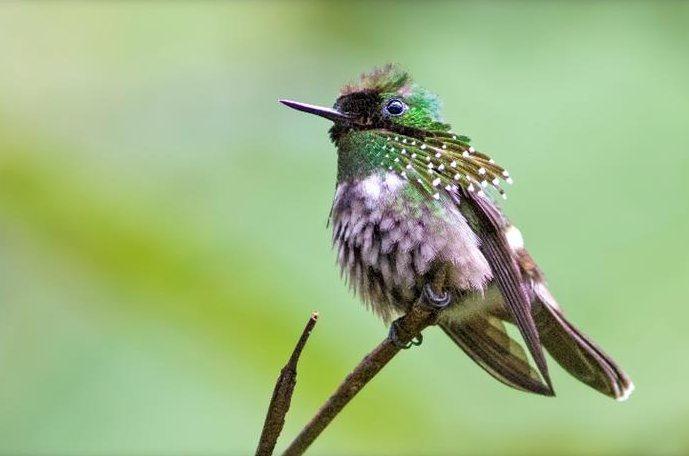
Fork-tailed Pygmy-Tyrant (Hemitriccus furcatus), Festive Coquette (Lophornis chalybeus). We will drive to a nearby location (+/-1hr) to try to see the Black-hooded Antwren (Formicivora erythronotus).
Transfer to Campos do Jordão (+/-3hrs [200Km]) stopping on route to try the Speckle-breasted Antpitta (Cryptopezus nattereri). This bird has been getting harder and harder to see in this location lately. We will try our best, of course. PM Birding in Campos do Jordão.
AM and PM Birding in Campos do Jordão.
Read more · 3 photos
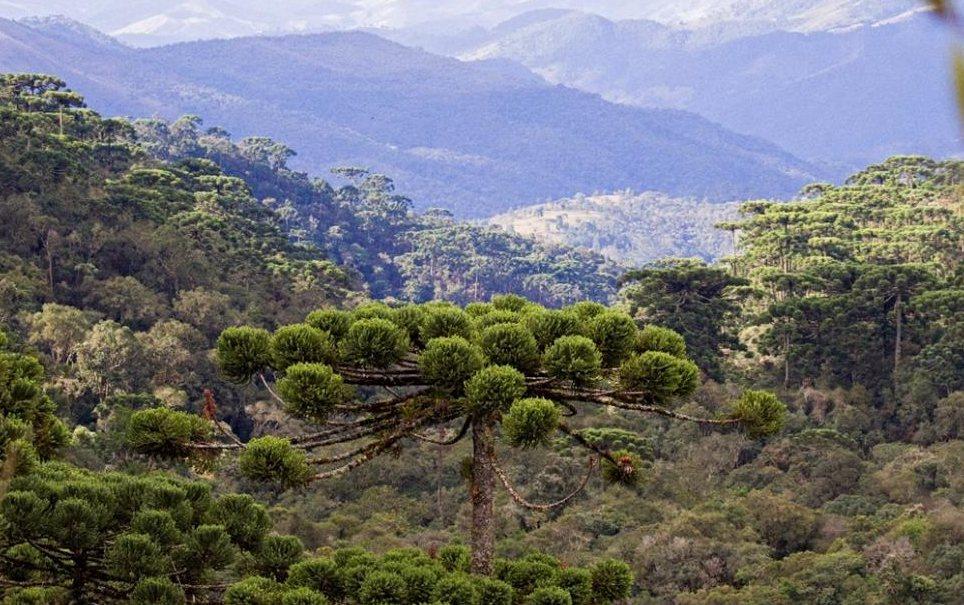
situated in the Serra da Mantiqueira Mountain range, Campos do Jordão is the highest Brazilian city with an altitude of 1628m. A famous touristic destination, especially in the winter, due to its low temperatures and European architecture. There are a lot of forest patches nearby with significant remnants of araucaria forest. We will be birding in a few of these patches so there will be quite some driving.
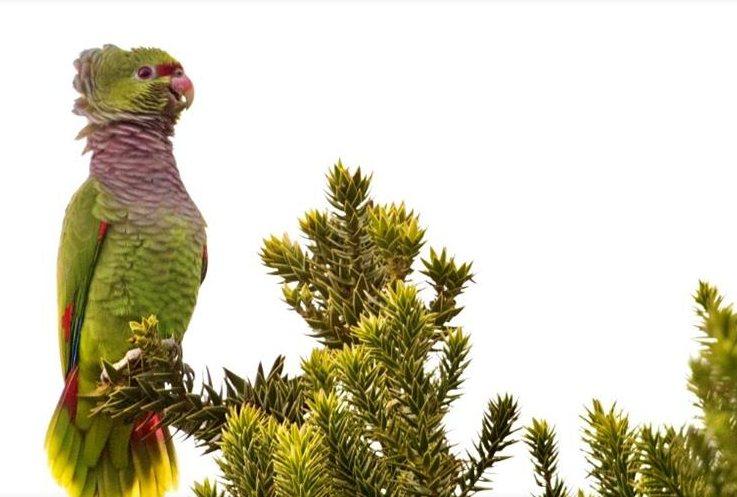
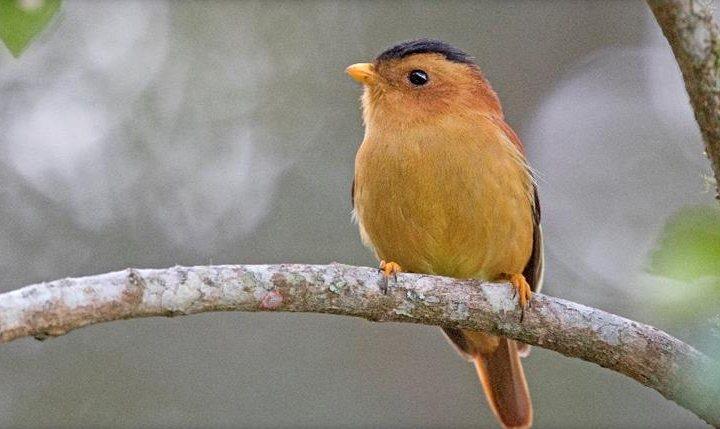
we will have to keep an eye out for the threatened Vinaceous-breasted Parrot (Amazona vinacea) and the Black-capped Piprites (Piprites pileata), our main targets in this location. Other targets are Araucaria Tit-Spinetail (Leptasthenura setaria) and Chestnutheaded Tanager (Thlypopsis pyrrhocoma).
AM Birding if needed and transfer to Salesópolis (+/-2½hrs [140Km]) for PM Birding. Transfer to São Paulo (+/-1½hrs [100Km]) where we spend the night.
Read more · 2 photos
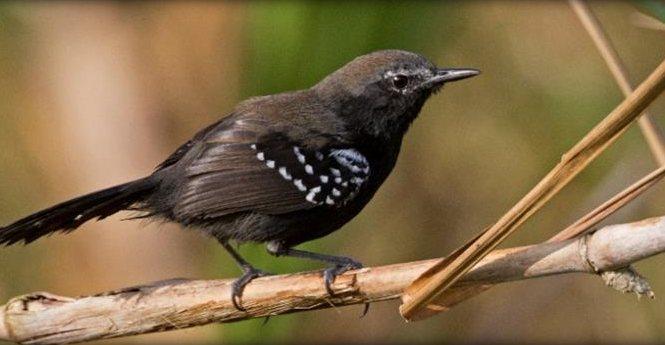
Salesópolis is one of the very few places in the world you can see this critically endangered species, the Sao Paulo Antwren, only described to science in 2014. The species is restricted to preserved marshes surrounded by Atlantic Forest.
the range-restricted Sao Paulo Antwren (Stymphalornis paludicola).
In the morning, we will fly from São Paulo to Parauapebas to go birding in the famous Carajás National Forest the next days. PM Birding in the trails closer to the city.
Read more · 1 photo
The Carajás National Forest is where there is the biggest mining project in Brazil, where tons of Iron, Gold, Manganese, Granite, and Copper are explored daily. With an area of 400,000 hectares, it also has the conservation of biodiversity as its goals, being home for many magnificent and restricted bird species.
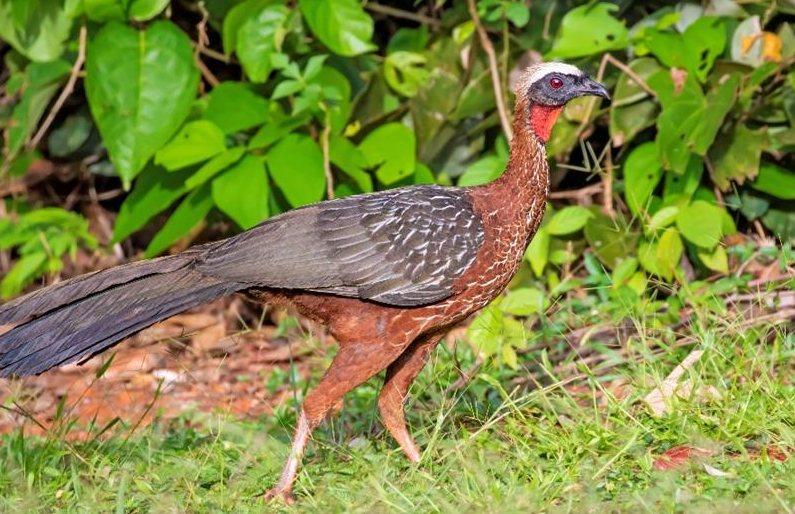
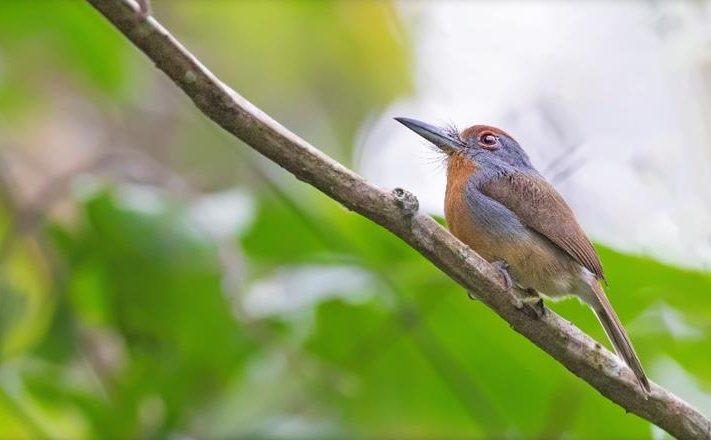
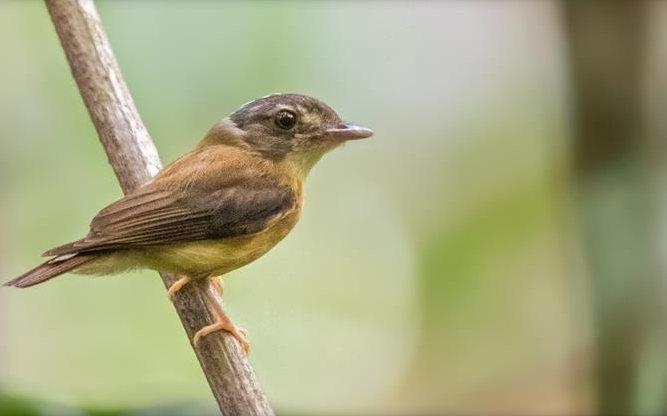
To write the main targets would be a never-ending list but here are a few so you have an idea of the specialties we could find: White-crested Guan (Penelope pileata), Variable Chachalaca (Ortalis motmot), Long-tailed Hermit (Phaethornis superciliosus), Fierytailed Awlbill (Avocettula recurvirostris), Rufous-capped Nunlet (Nonnula ruficapilla), Santarem Woodcreeper (Dendrocolaptes transfasciatus), White-crested Spadebill (Platyrinchus platyrhynchos), Snethlage’s Tody-Tyrant (Hemitriccus minor), Blackish Pewee (Contopus nigrescens), Slaty-capped Shrike-vireo (Vireolanius leucotis), Sharpbill (local race: Oxyruncus cristatus tocantinsi), Santarem Parakeet (Pyrrhura amazonum), Ruddy Spinetail (different form of Belem area: Synallaxis rutilans rutilans), Peruvian Recurvebill (Syndactyla ucayalae), Carajas Woodcreeper (Xiphocolaptes carajaensis), Black-chested Tyrant (Taeniotriccus andrei), Amazonian Scrub Flycatcher (Sublegatus obscurior), Snethlage's Scythebill (Campylorhamphus multostriatus), Black-bellied Gnateater (Conopophaga melanogaster), Rose-breasted Chat (different form of Belem area: Granatellus pelzelni pelzelni) and more. The only nightbird that would be new for you here is the Silky-tailed Nightjar (Antrostomus sericocaudatus). We will give that a good try.
AM and PM Birding in Carajás National Forest.
AM and PM Birding in Carajás National Forest.
AM and PM Birding in Carajás National Forest.
AM and PM Birding in Carajás National Forest.
Read more · 3 photos
Transfer to Paragominas (+/-6hrs [400Km]). PM Birding.
Read more · 2 photos
One of the largest fragments of the Belem Area with preserved humid forests that shelter many species of Amazonian birds and mammals. Many of the rarest birds of the Belem Endemism Center can be found in these forests.
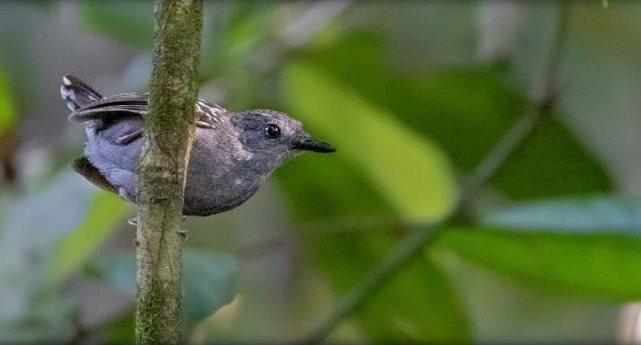
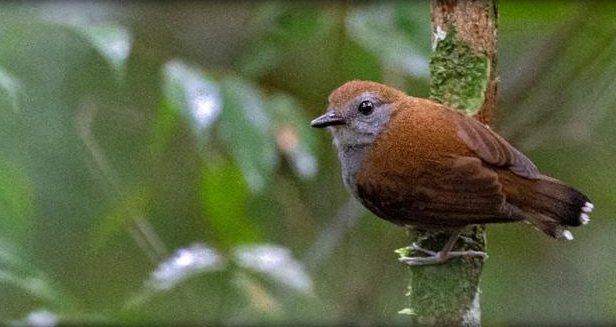
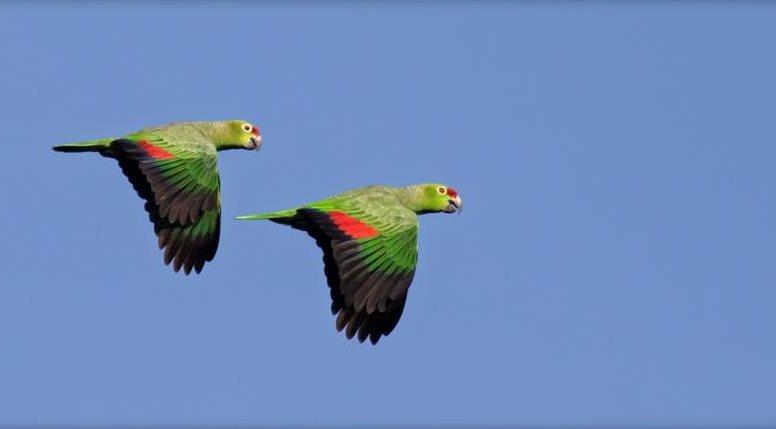
In this area, we will need a few days of “Full day birding” to find the rarest birds of the “Belem area”. The targets here are: White-crested Guan (Penelope pileata), Buffbrowed Chachalaca (Ortalis superciliaris), Long-tailed Hermit (Phaethornis superciliosus), Green-tailed Goldenthroat (Polytmus theresiae), Black-backed/Dark-winged Trumpeter (Psophia viridis obscura), White-browed Hawk (Leucopternis kuhli), Greater Pied Puffbird (Notharchus tectus tectus/picatus), Red-billed Toucan, Eastern Red-necked Aracari (Pteroglossus bitorquatus), Waved Woodpecker (Celeus undatus), Vulturine Parrot (Pyrilia vulturina), Dusky Parrot (Pionus fuscus), Xingu Scale-backed Antbird (Willisornis vidua), Hooded Gnateater (Conopophaga roberti), Northern Long-tailed Woodcreeper (Deconychura longicauda), Chestnut-crowned Foliage-gleaner (Automolus rufipileatus), Para Foliage-gleaner (Automolus paraensis), Ruddy Spinetail (Synallaxis rutilans), Opal-crowned Manakin (Lepidothrix íris), Crimson Fruitcrow (Haematoderus militaris), Purple-breasted Cotinga (Cotinga cotinga), White-tailed Cotinga (Xipholena lamellipennis), Cinereous Becard (Pachyramphus rufus), Black-chested Tyrant (Taeniotriccus andrei), Amazonian Scrub Flycatcher (Sublegatus obscurior), Gray-chested Greenlet (Hylophilus semicinereus), Rosebreasted Chat (Granatellus pelzelni), Wing-barred Seedeater (Sporophila americana), Ruddybreasted Seedeater (Sporophila minuta).
AM and PM Birding in Paragominas.
AM and PM Birding in Paragominas.
Transfer to Belém (+/-5½hr [390Km]).
Read more · 1 photo
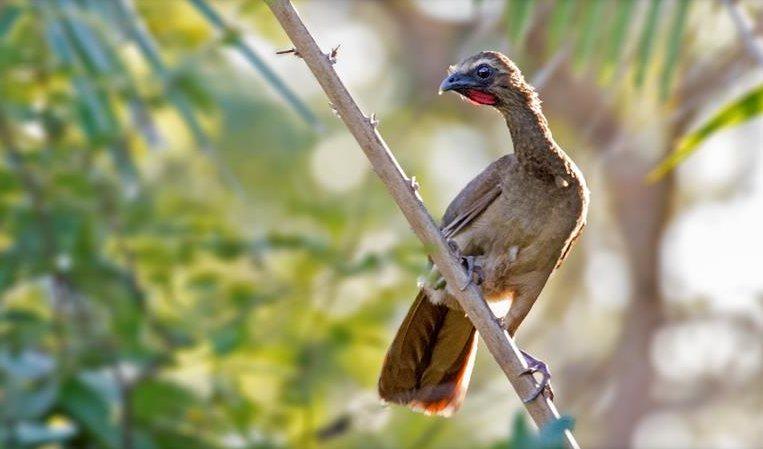
Capital of the state of Pará and inserted in one of the most impacted regions by deforestation in the Amazon. Despite this, there are still some forest fragments in the Metropolitan Region of Belém that include, among others, the municipalities of Acará and Santa Bárbara do Pará. They are small fragments of upland forest with about 600 hectares, but which keep some rarities very close to a large city.
Buff-browed Chachalaca (Ortalis superciliaris), Green-tailed Goldenthroat (Polytmus theresiae), Greater Pied Puffbird (Notharchus tectus tectus/picatus), Eastern Red-necked Aracari (Pteroglossus bitorquatus bitorquatus/reichenowi), White-winged Parakeet (Brotogeris versicolurus), Golden-sided Euphonia (Euphonia cayennensis) and Para Oropendola.
AM Birding and evening Flight to Manaus.
AM and PM in the Marchantaria Island and two other islands besides this one, which is in the Solimões River.
Read more · 1 photo
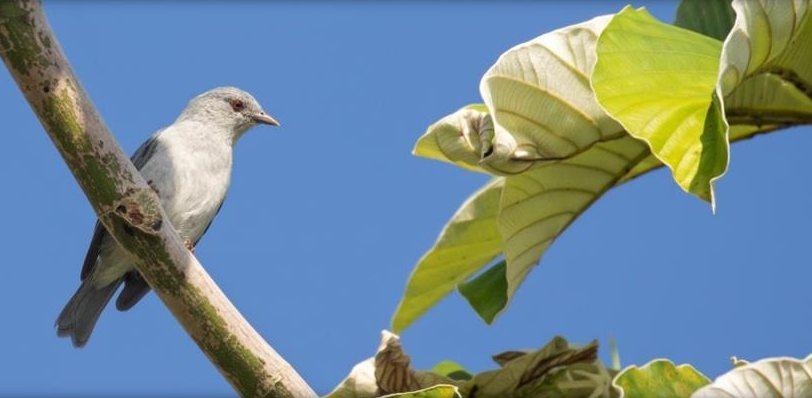
The Marchantaria Island is 1h up the Solimões River and presents different stages of regeneration. It is one of the islands with the greatest bird diversity in the Amazon. This is the perfect location to search for várzea birds.
Green-throated Mango (Anthracothorax viridigula), White-winged Parakeet (Brotogeris versicolurus), Short-tailed Parrot (Graydidascalus brachyurus), Zimmer's Woodcreeper (Dendroplex kienerii), Parker's Spinetail (Cranioleuca vulpecula), Red-andwhite Spinetail (Certhiaxis mustelinus), Brownish Elaenia (Elaenia pelzelni), Riverside Tyrant (Knipolegus orenocensis), River Tyrannulet (Serpophaga hypoleuca), Pearly-breasted Conebill (Conirostrum margarittae).
Flight to Itaituba (Amazonia National Park) and transfer to the hotel near the entrance of the park (+/-2hr [50Km]). PM Birding if we have time.
Read more · 3 photos
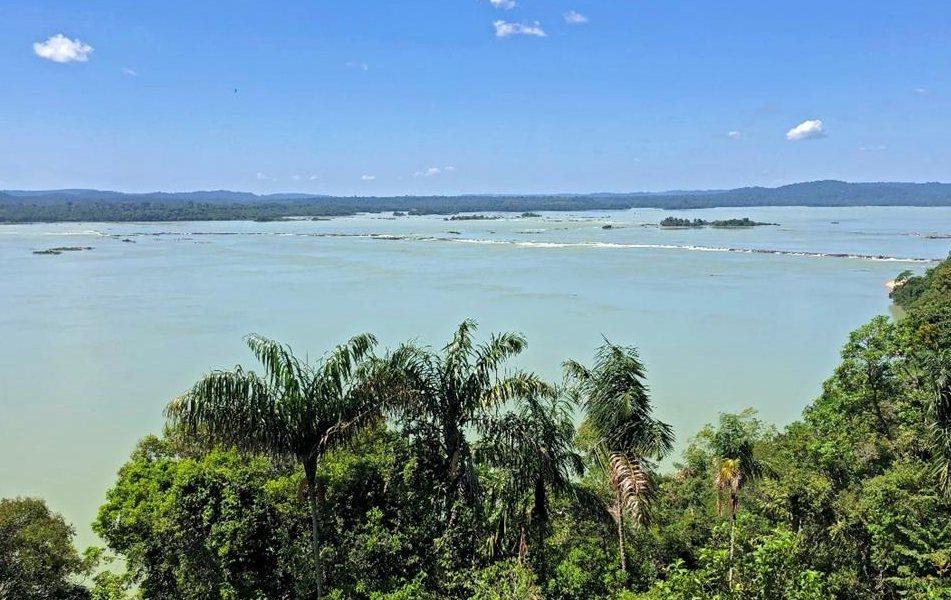
The Amazônia National Park is located between the Tapajós and Madeira Rivers, intersected by the famous Transamazônica road (Br-230). It is a great place to find several endemic species of the Brazilian Amazon. During dawn at certain times of the year, it is possible to be dazzled by large flocks of Parrots along the road. Most of the National Park is made up of Terra Firme Forest, where there are ecological trails that are used for birdwatching. In some of these trails there are small streams (Igarapés), where it is also possible to find species linked to this type of environment. The pousada where we will be based is right in front of the Tapajós River and in one of the mornings or afternoons, we will also go birding by boat for an island specialty and a few other birds linked to water. In addition, the Transamazônica is a great place to observe birds that are feeding in the trees with fruits in the edge of the road. In some times of the year, the unfortunate car traffic combined with dry climate generates a lot of dust. Although quite unpleasant and inconvenient, this situation does compromise the good chances of finding nice birds along the forest edge.
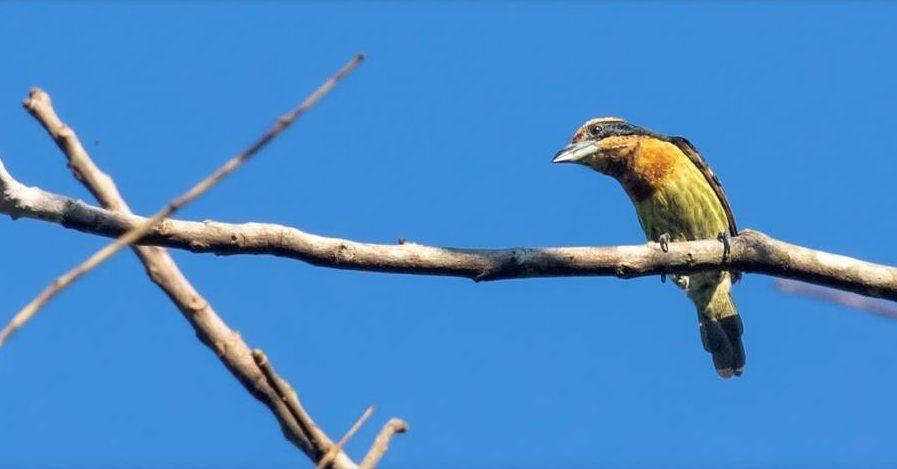
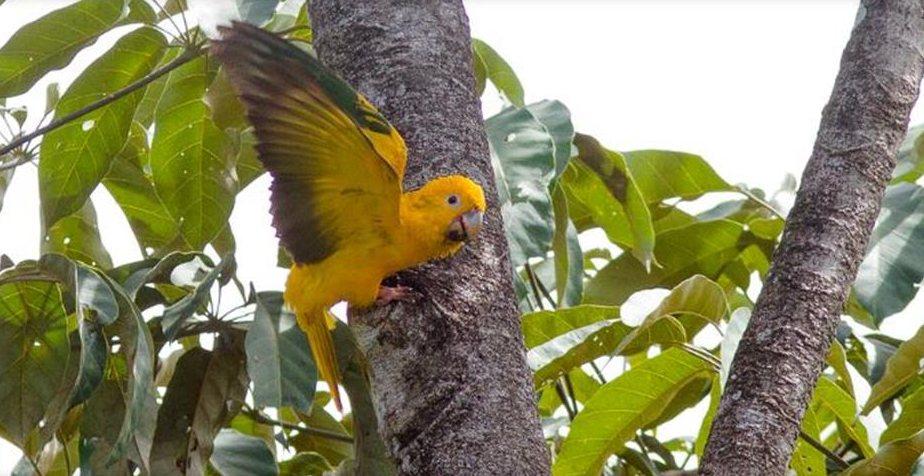
Our main targets here will be Needle-billed Hermit (Phaethornis philippii), Greenwinged Trumpeter (Psophia viridis), Brown-chested Barbet (Capito brunneipectus), Vulturine Parrot (Pyrilia vulturina), White-faced/Kawall’s Parrot (Amazona kawalli), Golden Parakeet (Guaruba guarouba), Natterer's Slaty Antshrike (Thamnophilus stictocephalus), Tapajos Scale-backed Antbird (Willisornis vidua nigrigula), Harlequin Antbird (Rhegmatorhina berlepschi), Ferruginous-backed Antbird (Myrmoderus ferrugineus), Flame-crowned Manakin (Heterocercus linteatus), Snow-capped Manakin (Lepidothrix nattereri), Buffcheeked Greenlet (Pachysylvia muscicapina), Waved Woodpecker (Celeus undatus).
AM and PM Birding in Amazônia National Park.
AM and PM Birding in Amazônia National Park.
AM and PM Birding in Amazônia National Park.
Depending on the flight schedule, we can bird in the morning looking for missing species. Transfer to Itaituba (+/-2hrs [50Km]) and flight to Manaus.
On this day we will leave very early to reach the famous Zf-2 Tower for AM Birding.
Read more · 2 photos
with more than 40 meters, located 50km north of Manaus, the tower is a perfect spot for canopy surprises. The city of Presidente Figueiredo, 100km north of Manaus, has unique characteristics due to its rugged terrain. A real paradise with over 50 waterfalls and, most important, is home of the spectacular Guianan Cock-of-the-Rock (Rupicola rupicola).
here we have a never-ending list of possibilities. And every day holds different surprises in a canopy tower. What will be our surprise of the day? Here are a few of the birds we might see here. After enjoying the Zf-2 Tower, we transfer to Presidente Figueiredo for a light PM Birding around the lodge (+/-1½hrs [100Km]). Other than the Diademed Parrot (Amazona autumnalis diadema), Black-throated Antshrike (Frederickena viridis), Ash-winged Antwren (Euchrepomis spodioptila), Tiny TyrantManakin (Tyranneutes virescens), White-throated Manakin (Corapipo gutturalis), Guianan Red Cotinga (Phoenicircus carnifex), Ringed Woodpecker (Celeus torquatus), Waved Woodpecker (Celeus undatus), Golden-collared Woodpecker (Veniliornis cassini), Collared Gnatwren (Microbates collaris), Crimson Topaz (Topaza pella), Green-tailed Goldenthroat (Polytmus theresiae), Painted Parakeet (Pyrrhura picta), Dotted Tanager (Ixothraupis varia), Northern Slaty-Antshrike (Thamnophilus punctatus), Black Curassow (Crax alector), Capuchinbird (Perissocephalus tricolor), Wing-banded Wren (Microcerculus bambla), Musician Wren (Cyphorhinus arada), Spot-throated Woodcreeper (Certhiasomus stictolaemus), Dusky Purpletuft (Iodopleura fusca), Pelzeln's Tody-Tyrant (Hemitriccus inornatus), Blue-backed Tanager (Cyanicterus cyanicterus).
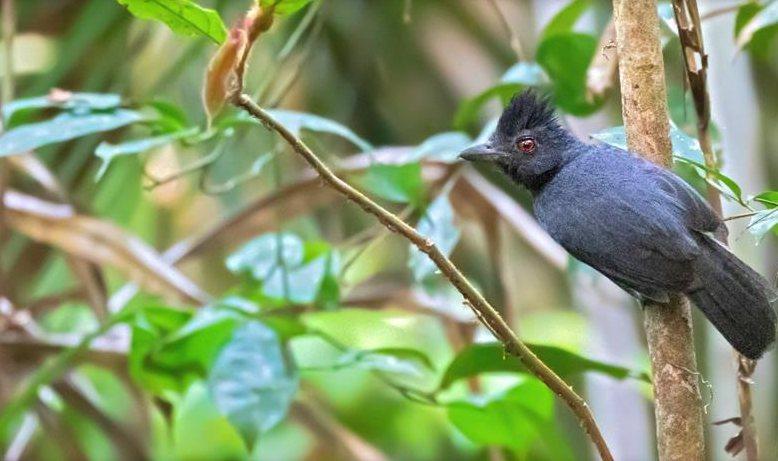
AM and PM Birding in Presidente Figueiredo.
AM Birding in Presidente Figueiredo looking for any targets we might have missed the previous day. Transfer to Itacoatiara (+/-6hrs [320Km]).
AM Birding in Itacoatiara and transfer to Manaus (+/-6hrs [280Km]). We will take a small boat and go up the Amazonas River. We will stop at some spots in the várzea forest, where we can find several species that are more restricted to this habitat, such as the Scaled Spinetail.
Read more · 1 photo
The várzeas (forests that seasonally flood when the water levels of the river are high) of the Amazon River are rich in species that specialize in this type of habitat. During the wet season (May-July) the river and streams are more navigable, and we are usually inside the boat birding. Accommodation here is very basic.
Besides our main target, the Varzea Piculet (Picumnus varzeae), other targets include Scaled Spinetail (Cranioleuca muelleri), Crimson-hooded Manakin (Pipra aureola), Dull-capped Attila (Attila bolivianus), Leaden Antwren (Myrmotherula assimilis), Blackchinned Antbird (Hypocnemoides melanopogon), Long-billed Woodcreeper (Nasica longirostris), Cream-colored Woodpecker (Celeus flavus), Lesser Hornero (Furnarius minor), Dark-breasted Spinetail (Synallaxis albigularis), Oriole Blackbird (Gymnomystax mexicanus), Tui Parakeet (Brotogeris sanctithomae) and Short-tailed Parrot (Graydidascalus brachyurus).
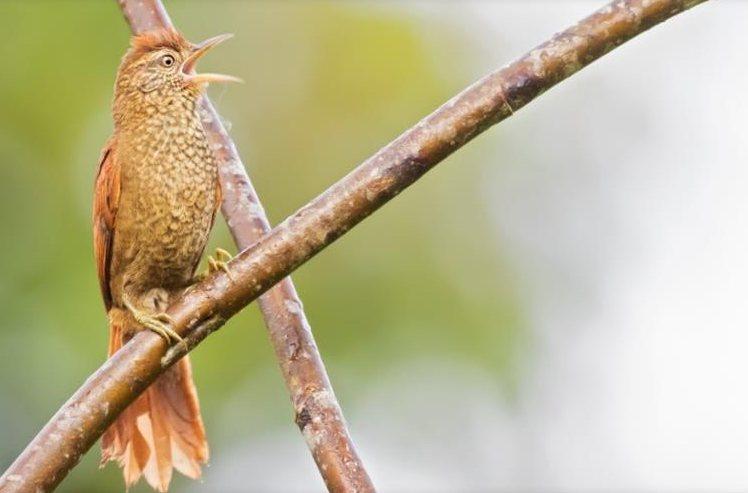
AM Birding in the famous MUSA Tower. Transfer to Cirandeira Bela Amazon Cabins in the municipality of Manacapuru (+/-1½hrs [100Km]), where we spend the night.
Read more · 4 photos
Created in January 2009, Musa occupies 100 hectares of the Adolpho Ducke Forest Reserve, of the National Institute of Amazonian Research - Inpa in Manaus. An area of native upland forest that for more than 60 years is being studied with passion. The results of these surveys, gathered in catalogs on topics such as plants, birds and frogs, shows what Musa wants to show the visitor. To access the MUSA tower, there is a 250m walk where we might see some birds on the way. The tower is 42m high with 3 platforms in different heights to reach the wide variety of canopy species. This is a perfect location to see and photograph Amazonian canopy species.
here, we will have second chances to see any bird we might have missed in the ZF2 Tower. Here is a short list of a few species that could be seen: Marail Guan (Penelope marail), Long-tailed Hermit (Phaethornis superciliosus), Black-faced Hawk (Leucopternis melanops), Guianan Puffbird (Notharchus macrorhynchos), Pied Puffbird (Notharchus tectus), Black Nunbird (Monasa atra), Red-billed Toucan, Guianan Toucanet (Selenidera piperivora), Green Aracari (Pteroglossus viridis), Black-spotted Barbet (Capito niger), Ringed Woodpecker (Celeus torquatus), Caica Parrot(Pyrilia caica), Dusky Parrot (Pionus fuscus), Ash-winged Antwren (Euchrepomis spodioptila), Rufous-throated Antbird (Gymnopithys rufigula), Ferruginous-backed Antbird (Myrmoderus ferrugineus), Amazonian Barred Woodcreeper (Dendrocolaptes certhia), Chestnut-rumped Woodcreeper (Xiphorhynchus pardalotus), Red-billed Woodcreeper (Hylexetastes perrotii), Lineated [Guianan] Woodcreeper (Lepidocolaptes albolineatus), White-fronted Manakin (Lepidothrix serena), Painted Tody-Flycatcher (Todirostrum pictum), Todd's Sirystes (Sirystes subcanescens), Slaty-capped Shrike-vireo (Vireolanius leucotis), Buff-cheeked Greenlet (Pachysylvia muscicapina), Golden-sided Euphonia (Euphonia cayennensis), Glossy-backed Becard(Pachyramphus surinamus). Depending on time of year we have chances of seeing Red-lored Parrot (Amazona autumnalis) flying over.
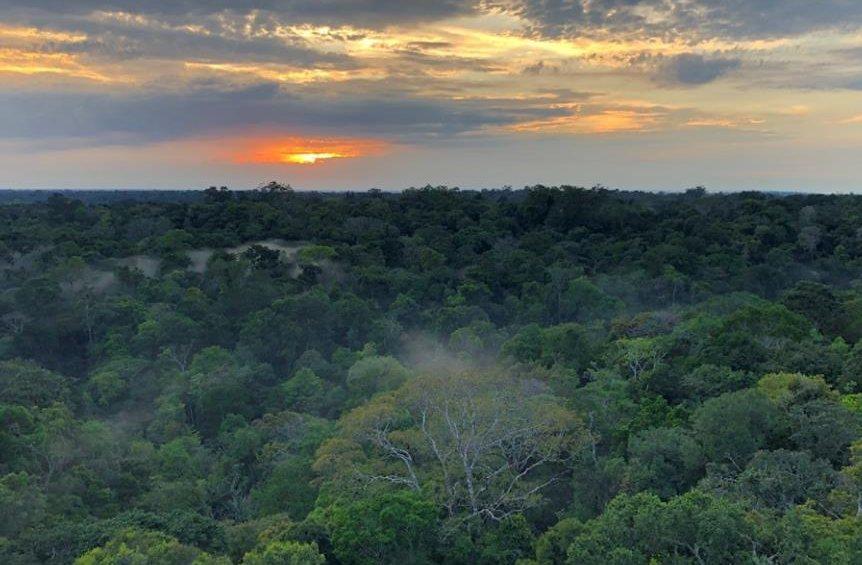
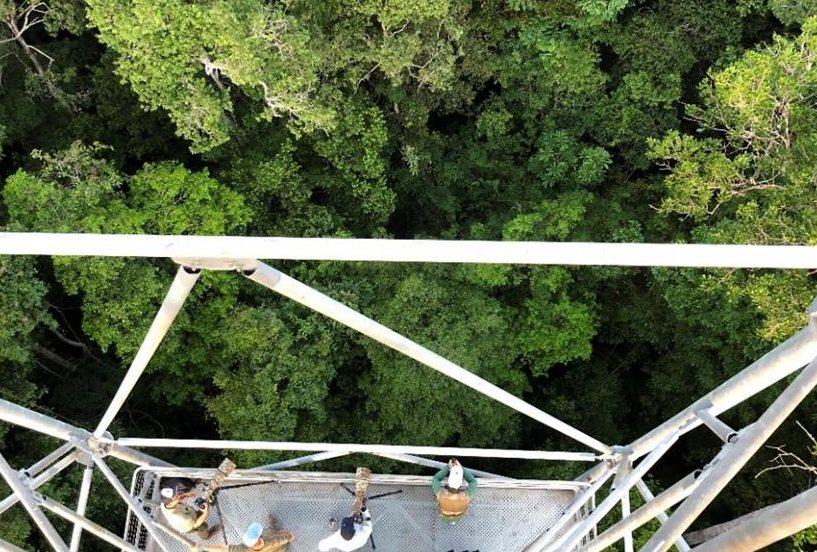
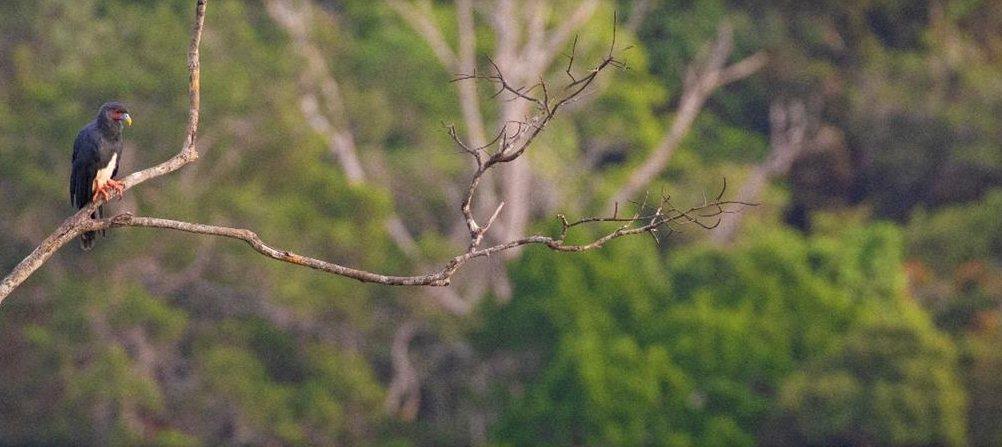
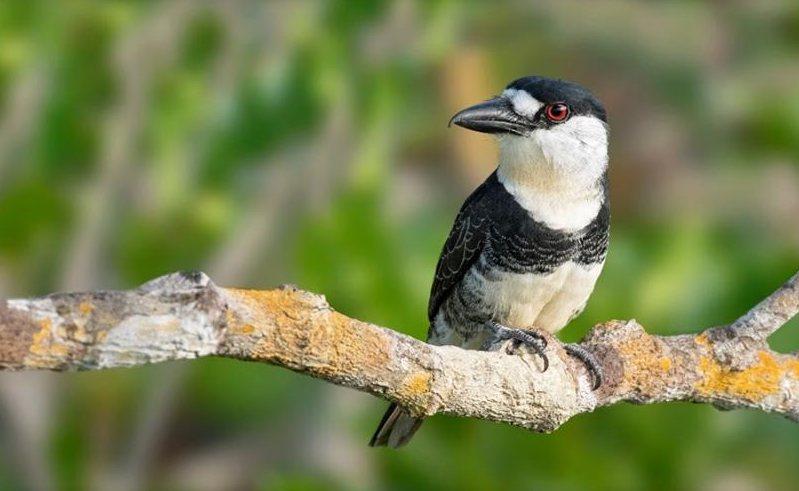
AM Birding in Cirandeira Bela.
Read more · 3 photos
In Manacapuru, we will be lodged in a sort of weekend waterpark, the Cirandeira Bela Amazon Cabins, and that is why we always try to avoid weekends here. The accommodations are quite nice, and they have easy access trails that we could explore in the evening and/or morning. There are many fruit trees in this location, around the restaurant, so at the right time of the year, there is a Tanager/Cotinga concentration around the fruiting trees.
some of the species we will look for are White-crested Spadebill (Platyrinchus platyrhynchos), Yellow-browed Antbird (Hypocnemis hypoxantha), Brown-banded Puffbird (Notharchus ordii), Lafresnaye's Piculet (Picumnus lafresnayi), Snethlage's Tody-tyrant (Hemitriccus minor), Yellow-throated Flycatcher (Conopias parvus). here we will have second chances to find some Terra Firme Forest birds: Whitecrested Spadebill (Platyrinchus platyrhynchos), Yellow-browed Antbird (Hypocnemis hypoxantha), Brown-banded Puffbird (Notharchus ordii), Lafresnaye's Piculet (Picumnus lafresnayi), Snethlage's Tody-tyrant (Hemitriccus minor), Yellow-throated Flycatcher (Conopias parvus) and Collared Gnatwren (Microbates collaris).
PM Birding in Novo Airão, looking for some Terra Firme birds.
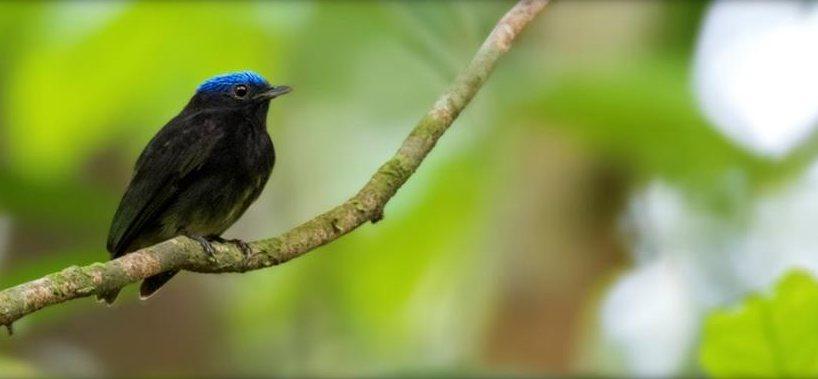
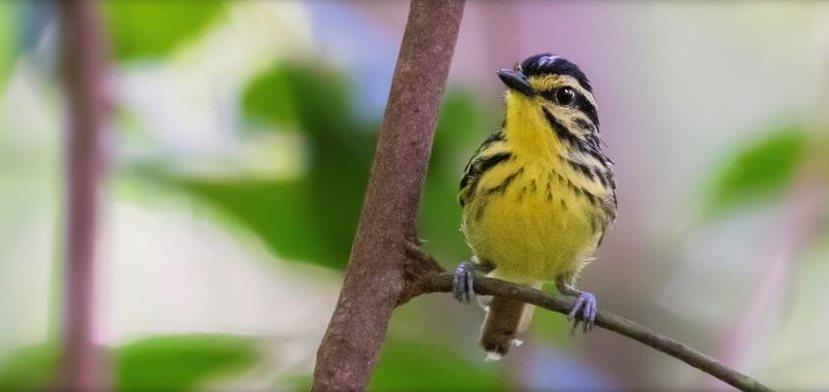
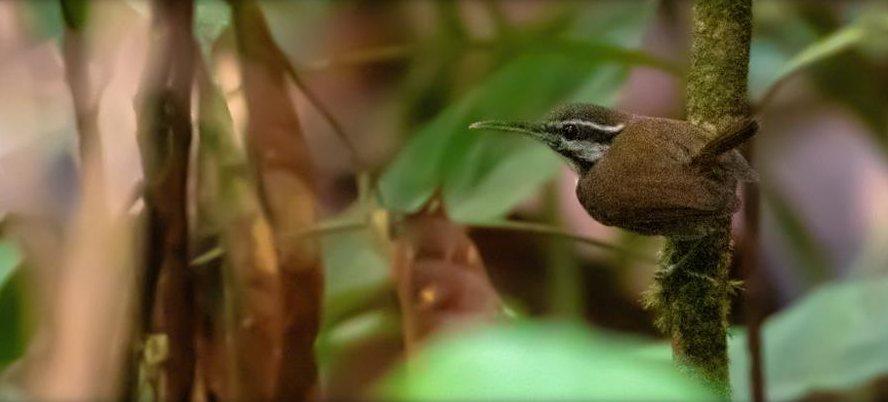
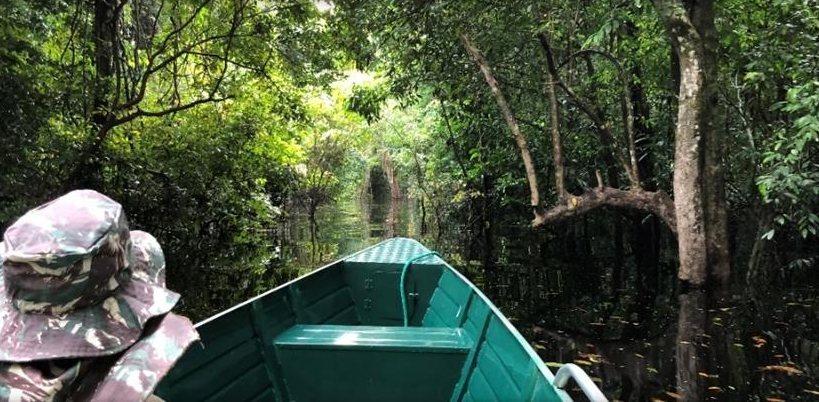
AM Birding in Novo Airão (Anavilhanas National Park). Our focus on this morning will be the igapó (seasonally flooded forest by black waters) specialties. Our birding will be on a boat.
Read more · 2 photos
the Anavilhanas National Park harbors the second largest fluvial archipelago in the world with more than 340 islands (the “Anavilhanas Archipelago”). This area became a conservation unit on October 29-2008, by the law 11799, comprising a territory with ~70% of upland forests and ~30% of Igapó forests and islands. With 350,000 hectares, the park protects not just the Anavilhanas Archipelago but a large area of terra firme forests on the Rio Negro left margin. The archipelago covers an area of 100,000 hectares dominated by Igapó - a seasonally flooded forest that grows with the influence 0f black waters (that is relatively low in nutrients). And there are numerous indigenous archaeological sites not yet studied in the region!
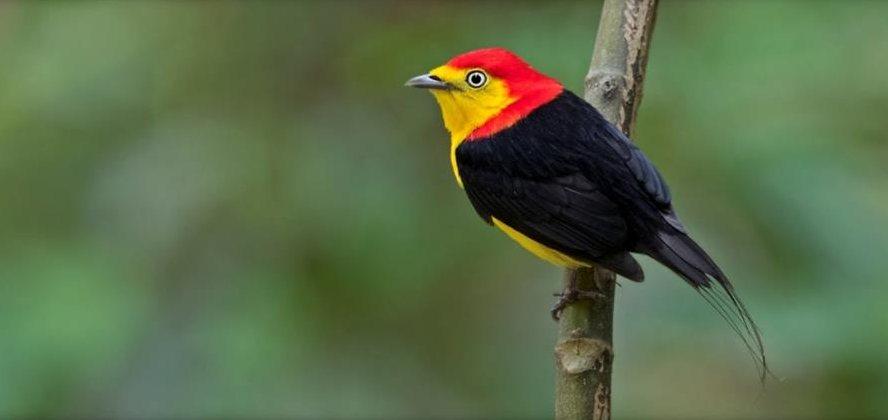
Home to endless species of fantastic birds like the beautiful Wire-tailed Manakin (Pipra filicauda), Streak-throated Hermit (Phaethornis rupurumii), Green-tailed Jacamar (Galbula gálbula), Cherrie's Antwren (Myrmotherula cherriei), Klages's Antwren (Myrmotherula klagesi), Leaden Antwren(Myrmotherula assimilis), Black-crested Antshrike (Sakesphorus canadenses), Ash-breasted Antbird (Myrmoborus lugubris), Striped Woodcreeper (Xiphorhynchus obsoletus), Speckled Spinetail (Cranioleuca gutturata), Graychested Greenlet (Hylophilus semicinereus), Southern Festive Amazon (Amazona festiva festiva).
PM Transfer to Manaus (+/-2½hrs [200Km]).
Flight to Boa Vista.
Read more
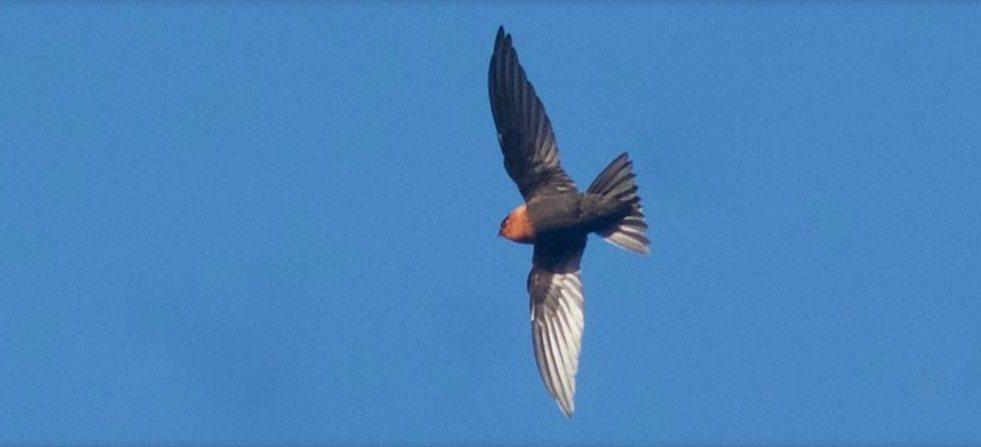
Our objective on this day is to reach Serra do Tepequém (+/-3½hrs [210Km]). On our way we will stop by a private pisciculture farm about 2 hours from Boa Vista to look mainly for the Sharp-tailed Ibis (Cercibis oxycerca). Upon arrival in the Tepequém Village and depending on the time (and weather conditions), we can go to the mountains for our first try to see the Tepui Swift (Streptoprocne phelpsi).
AM and PM Birding in Serra do Tepequém.
Read more · 1 photo
The Tepequém Mountain Range (Serra do Tepequém) reaches altitudes of more than 1000m (approximately 3000ft), where we can see savanna and “campinaranalike” forests mixing with the dominant ombrofilous forests. On the top of the mountains, we can observe flocks of Tepui Swifts (Streptoprocne phelpsi), White-collared Swifts (Streptoprocne zonaris) and couples of Red-and-green Macaws (Ara chloropterus). The more open vegetation provides encounters with Sooty-capped Hermit (Phaethornis augustii) and Red-shouldered Tanager (Tachyphonus phoenicius) among other species.
Some of the species we could see include Tepui Swift (Streptoprocne phelpsi), Black Curassow (Crax alector), Ruddy-breasted Seedeater (Sporophila minuta), Northern Red-shouldered Macaw, White-tailed Nightjar (Hydropsalis cayennensis), White-chested Emerald (Chrysuronia brevirostris), Red-shouldered Tanager (Tachyphonus phoenicius). Some of the species mentioned above will be tough to find. But the following species will be even harder: Gray-winged Trumpeter (Psophia crepitans). Let’s cross our fingers for the best of luck.
Transfer to Caracaraí (+/-5½hrs [350Km]). PM Birding in the surroundings of Caracaraí.
AM and PM Birding in Viruá National Park.
AM and PM Birding in Viruá National Park.
Read more · 1 photo
Caracaraí municipality is the home of Viruá National Park, one of the reserves with the largest number of bird species in Brazil; over 500 species have already been registered. Within the area, there are several types of environments, such as: várzea, terra firme forest (Amazon Rainforest that is not influenced by the floods), campinaranas and campinas, that can be accessed by roads and trails. Some species with restricted distributions such as Grey-legged Tinamou (Crypturellus duidae) and Yapacana Antbird (Aprositornis disjuncta) can be observed in the trails and roads in the park. At nightfall another attraction is the famous “Lost Road” (Estrada Perdida), where we can find the White-tailed Nightjar (Hydropsalis cayennensis), among other species of Nightjars and Nighthawks.
Here we have new targets and more chances for the ones that we could have missed in other locations, such as Black Curassow (Crax alector), Crestless Curassow (Pauxi tomentosa), Gray-legged Tinamou (Crypturellus duidae), Gray-winged Trumpeter (Psophia crepitans), Yapacana Antbird (Aprositornis disjuncta), Ferruginous-backed Antbird (Myrmoderus ferrugineus), Guianan Streaked-Antwren (Myrmotherula surinamensis), Cherrie's Antwren (Myrmotherula cherriei), Green-tailed Goldenthroat (Polytmus theresiae), Painted Parakeet (Pyrrhura picta), Black-throated Antshrike (Frederickena viridis), Black Manakin (Xenopipo atronitens), Rufous-crowned Elaenia (Elaenia ruficeps), Zimmer's Woodcreeper (Dendroplex kienerii), Campina Thrush (Turdus arthuri), Rufous-throated Antbird (Gymnopithys rufigula), Large-billed Seed-Finch (Sporophila crassirostris), White-naped Seedeater (Dolospingus fringilloides), Ruddy Spinetail (Synallaxis rutilans), Snethlage's Tody-Tyrant (Hemitriccus minor), Pale-bellied Mourner (Rhytipterna immunda), Rose-breasted Chat (Granatellus pelzelni), Cayenne Jay (Cyanocorax cayanus), Ruddybreasted Seedeater (Sporophila minuta) and Three-striped Flycatcher (Conopias trivirgatus). It is important to note that many of the species mentioned above are very difficult to detect and/or see. We will have to be patient and hope for the best.
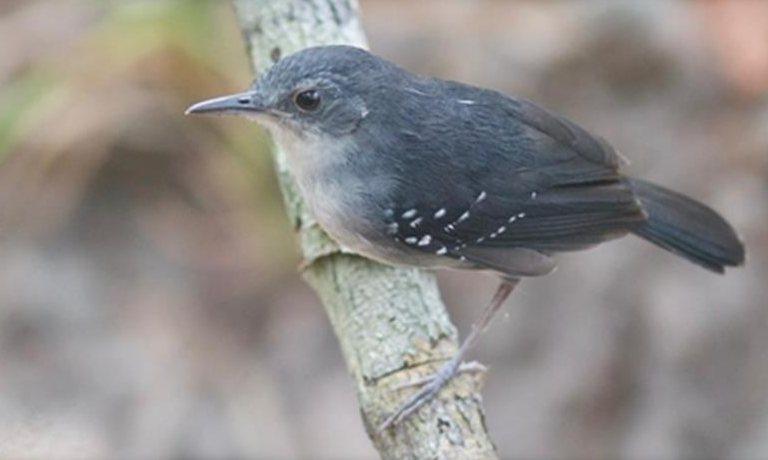
AM Birding if needed and transfer to Boa Vista (+/-2½hrs [150Km]) for PM Birding.
Read more · 2 photos
The city is on the banks of the rivers Branco and Uraricoera. In the riparian forests we can find several species restricted to this type of vegetation. In addition, other species linked to the driest and plowed forests can be found within the city, a few minutes by car.
in the capital of the state of Roraima we will have a wide variety of habitats to bird in: forest, open areas (lavrado), and on the margins of Rio Branco River. Our two main targets here will be the Rio Branco Antbird (Cercomacra carbonaria) and Hoary-throated Spinetail (Synallaxis kollari), the latter being quite hard to find. We will do our best. Other targets here are Lesson’s Seedeater (Sporophila bouvronides), Finsch’s Euphonia (Euphonia finschi), Lemon-chested Greenlet (Hylophilus thoracicus), White-bellied Piculet (Picumnus spilogaster) and the beautiful yet very difficult Sun Parakeet (Aratinga solstitialis).
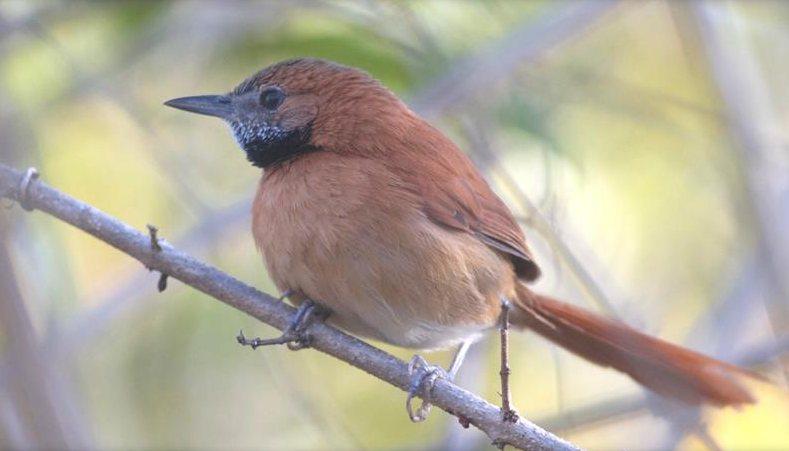
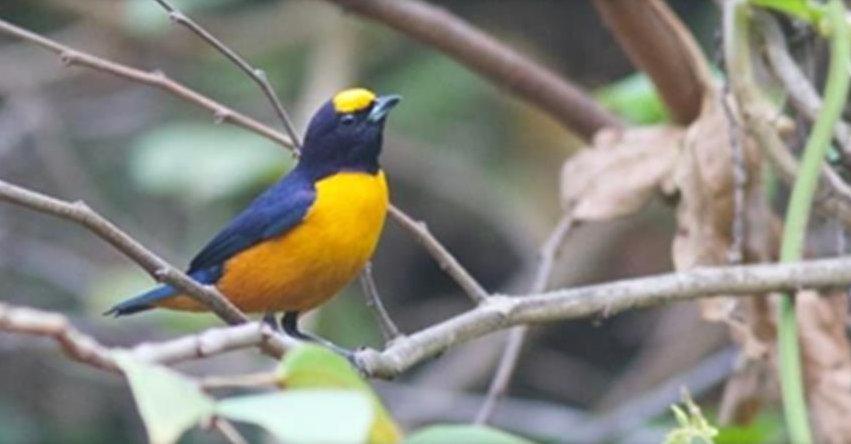
Early transfer to Mucajaí (+/-2½hrs [150Km]), where we will go birding in the foothills of the Apiaú Mountain Range. We will stop specially in two different properties, and we will keep our eyes open during the transfer between them. After AM and maybe early PM Birding depending on bird activity, we transfer back to Boa Vista (+/2½hrs [150Km]).
Read more
With approximately 1500m in elevation, the Apiaú Mountain Range is the third highest peak in the state of Roraima. Although the higher altitudes have a very interesting habitat to explore (unique cloud forest in the amazon), the access to the higher elevations is very difficult, requiring a good physical preparation for a one-day-long hike to reach good habitat. However, birding the foothills will give us a good chance of finding bird species that could only be seen here on our itinerary.
Our main target here will be the range-restricted Caura Antbird (Myrmelastes caurensis), a quite difficult target. Other birds we will look for here are Painted Parakeet (Pyrrhura picta), Black-throated Antshrike (Frederickena viridis), Para Oropendola, Cocoa Thrush (Turdus fumigatus), Finsch's Euphonia (Euphonia finschi) and Little Chachalaca.
We will leave this day as a “joker”. We have many possibilities on this day, and we will choose to go birding in the location with the most possible lifers. You will have to leave the hotel before midnight to catch the flight back to São Paulo.
Visual journey
Make it yours
Every trip we design is unique, built around your wish list, dates and dream destinations.
Start planning my tripThis is a sample itinerary from a past custom trip. Every tailored tour is built around your dates, pace and target list.