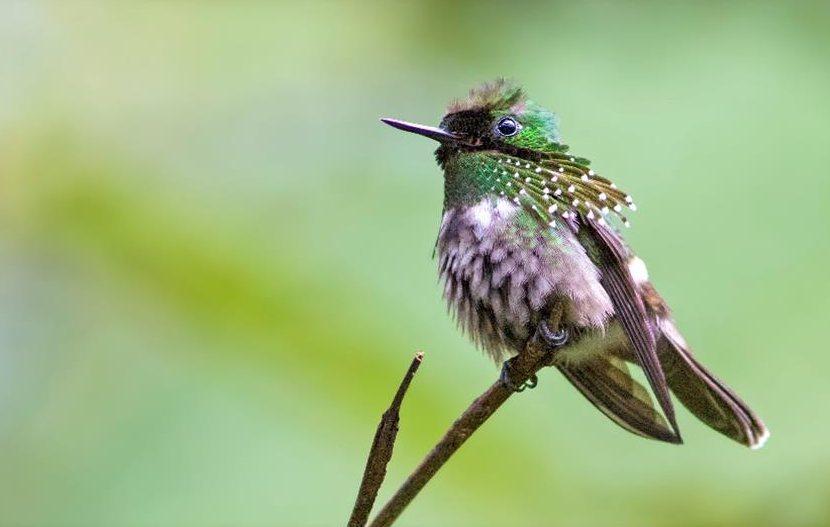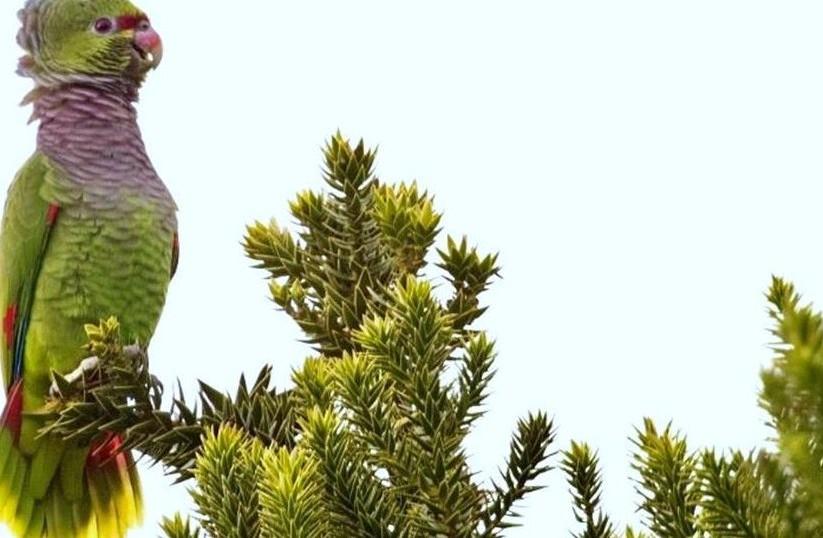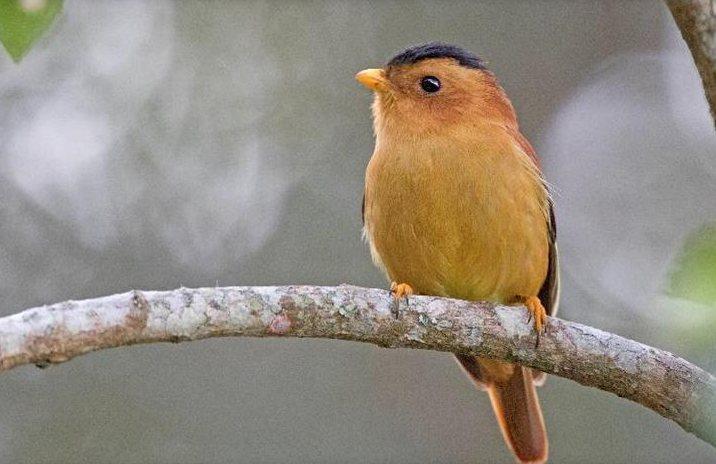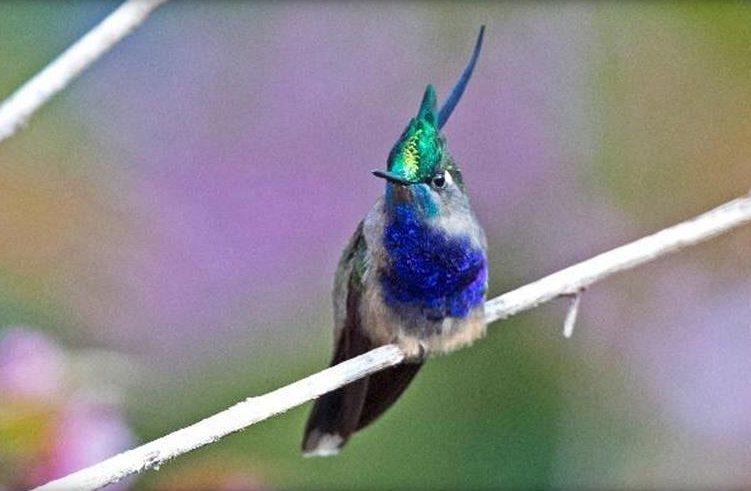
Southeast + South Tour
Sample custom itinerary

Southeast + South Tour

Atlantic Forest endemics and southern specialties in one epic journey

32 days

Duration

Southeast & South Brazil

Region

6 states

Brazil

About this itinerary

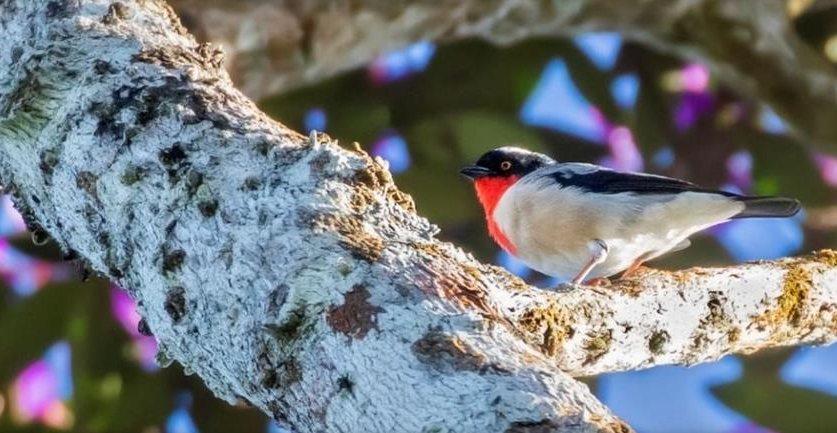
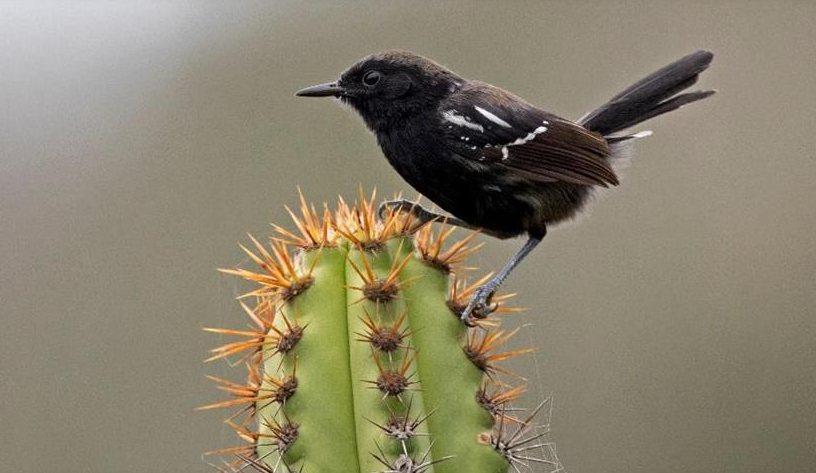
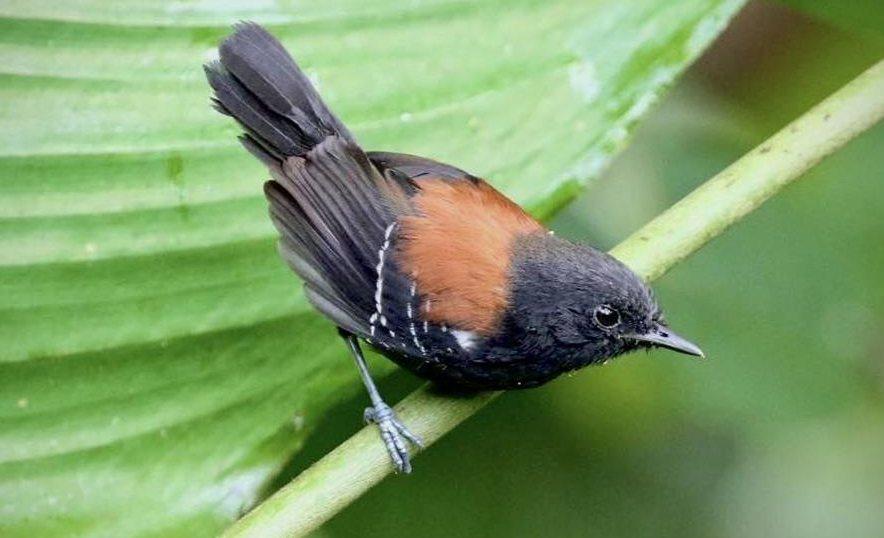
In this amazing journey you’ll enjoy some great Southeast and South Brazilian endemics, such as the ultra-rare Cherry-throated Tanager, Itatiaia Spinetail, São Paulo Antwren, Paraná Antwren, Restinga Tyrannulet, Kaempfer’s Tody-Tyrant, Scaled Chachalaca and many more.

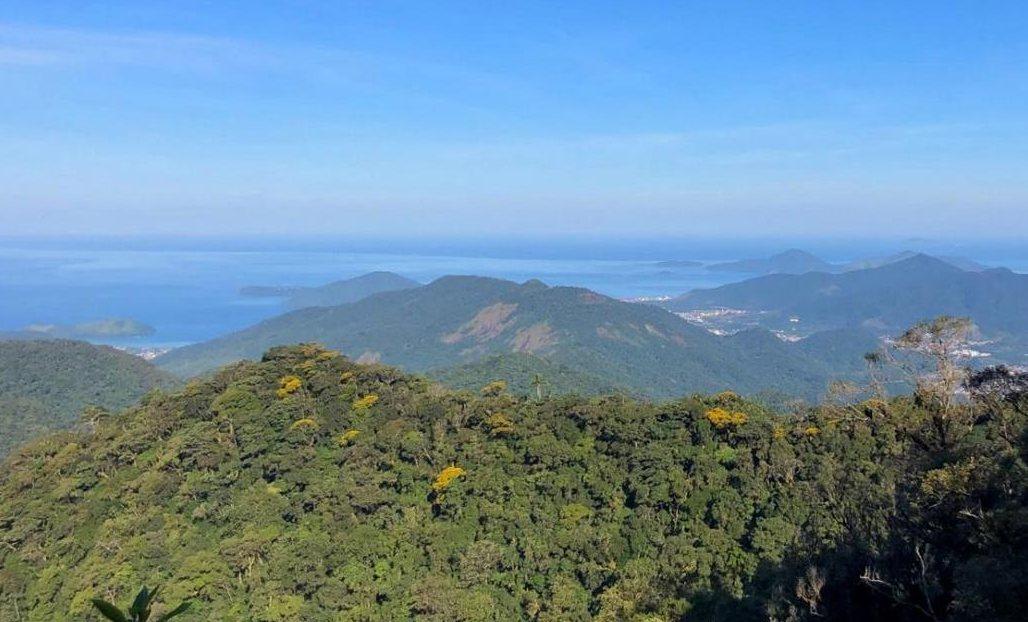
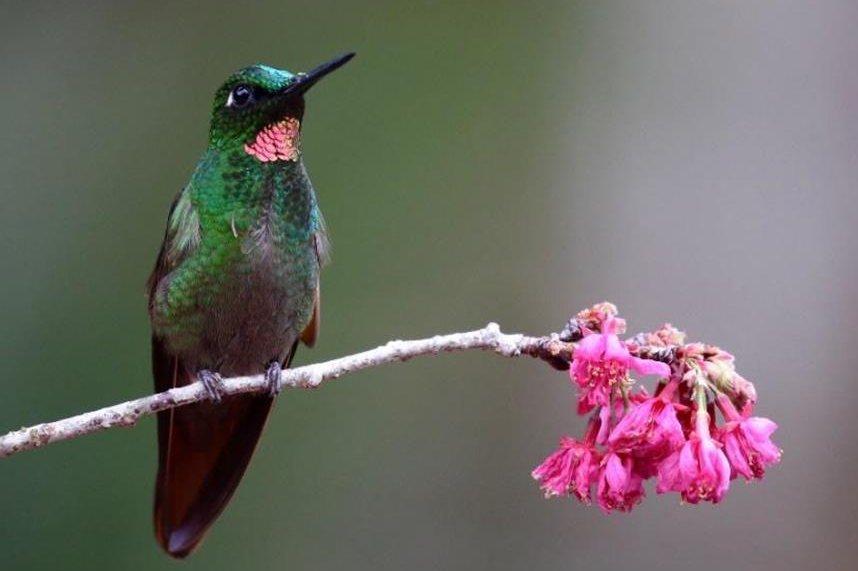
A show of colorful tanagers, parrots and hummingbirds will be part of our days, as well as incredible antbirds, tapaculos and ovenbirds that live in these spectacular areas, not to mention the delicious cuisine and breathtaking landscapes along the way. Although this is a target-oriented trip, we will search thoroughly for all possible species in range.

  • Espírito Santo
  • Rio de Janeiro
  • São Paulo
  • Paraná
  • Santa Catarina
  • Rio Grande do Sul

The route

Where we go

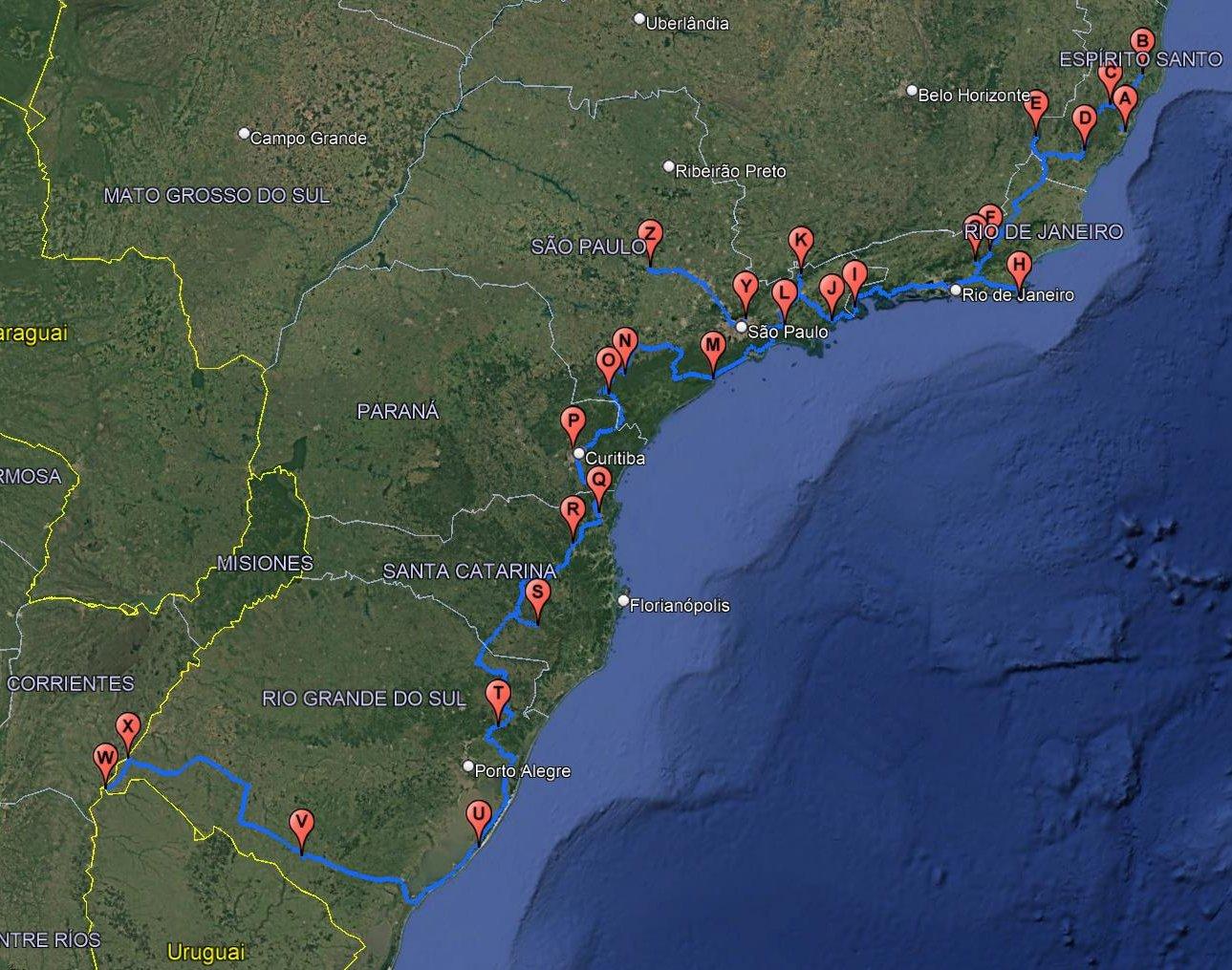
Southeast + South Tour route map

Vitória (A), Linhares (B), Santa Teresa (C), Vargem Alta (D), Caparaó National Park (E), Nova Friburgo (F), REGUA (G), Arraial do Cabo (H), Paraty (I), Ubatuba (J), Campos do Jordão (K), Salesópolis (L), Peruíbe (M), Intervales State Park (N), PETAR (O), Curitiba (P), Joinville (Q), Rio dos Cedros (R), Urupema (S), São Francisco de Paula (T), Lagoa do Peixe (U), Bagé (V), Barra do Quaraí (W), Uruguaiana (X), Guarulhos (Y), Piracicaba (Z).

Show day-by-day summary
DayRoutePlan
1Vitória - Linhares (140Km)Arrivals. Transfer
2LinharesAM and PM Birding
3Linhares - Santa Teresa (110Km)AM Birding. Transfer. PM Birding
4Santa Teresa - Vargem Alta (150Km)AM Birding. Transfer. PM Birding
5Vargem AltaAM and PM Birding
6Vargem Alta - Caparaó NP (140Km)AM Birding. Transfer. PM Birding
7Caparaó NP - Nova Friburgo (290Km)AM Birding. Transfer. PM Birding
8Nova FriburgoAM and PM Birding
9Nova Friburgo - REGUA (70Km)Transfer. AM and PM Birding
10Transfer with birding on the way
11Paraty - Ubatuba (75Km)AM Birding. Transfer. PM Birding
12Ubatuba - Campos do Jordão (150Km)AM Birding. Transfer. PM Birding
13Campos do Jordão - Salesópolis (130Km)AM Birding. Transfer. PM Birding
14Salesópolis - Peruíbe (220Km)AM Birding. Transfer. PM Birding
15Peruíbe - Intervales State Park (290Km)AM Birding. Transfer.
16Intervales State ParkAM and PM Birding
17Intervales State ParkAM and PM Birding
18Intervales State Park - PETAR (110Km)AM Birding. Transfer. PM Birding
19PETAR - Curitiba (190Km)AM Birding. Transfer. PM Birding
20Curitiba - Joinville (130Km)AM Birding. Transfer. PM Birding
21JoinvilleAM and PM Birding
22Joinville - Rio dos Cedros (100Km)AM Birding. Transfer. PM Birding
23Rio dos Cedros - Urupema (255Km)AM Birding. Transfer. PM Birding
24Urupema - São Francisco de Paula (350Km)AM Birding. Transfer. PM Birding
25São Francisco de PaulaAM and PM Birding
26AM Birding. Transfer. PM Birding
27Lagoa do PeixeAM and PM Birding
28Lagoa do Peixe - Bagé (380Km)Transfer. PM Birding
29Bagé - Barra do Quaraí (500Km)AM Birding. Transfer. PM Birding
30Barra do QuaraíAM and PM Birding
31Transfer. Flight. Transfer
32Piracicaba - Guarulhos (180km)AM Birding. Transfer. Departures

Day by day

The detailed itinerary

Day
1

Vitória - Linhares

Arrivals at Vitória Airport and transfer to Linhares (Vale Private Reserve) (+/-2½hrs [140Km]). PM Birding if we have time.

Read more · 1 photo

The area

The Vale Private Reserve and the adjacent state-owned Sooretama Biological Reserve protect the largest remnant of Brazil’s southeastern Atlantic coastal lowland rainforest. This area is one of the only sites where one of the world’s rarest cracids, the Red-billed Curassow (Crax blumenbachii), can still be found and holds the species largest population. Our birding will be mainly along the roads that cut through the reserve.

Target birds

Our main target here will be, without a doubt, the rare and range-restricted, Redbilled Curassow (Crax blumenbachii), but we will also look for the Minute Hermit (Phaethornis idaliae) and Yellow-eared Woodpecker (Veniliornis maculifrons).
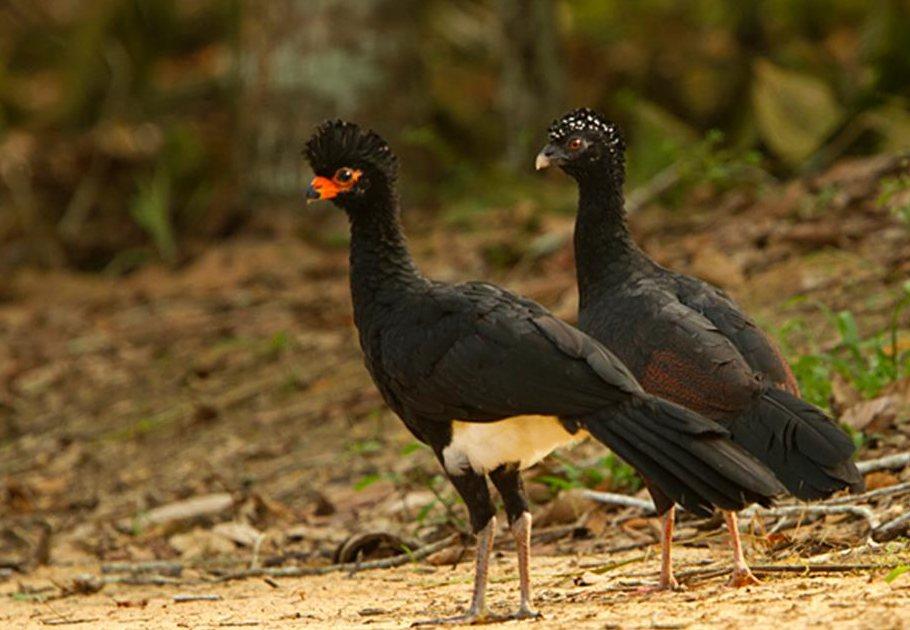
Red-billed Curassow
Red-billed Curassow
Day
2

Linhares

AM and PM Birding in Vale Private Reserve.

Day
3

Linhares - Santa Teresa

AM Birding. Transfer to Santa Teresa (+/-2hrs [110Km]) for PM Birding.

Read more · 1 photo

The area

Santa Teresa is also called "Beija-flor do Espírito Santo" (hummingbird of Espirito Santo), thanks to the abundance of these birds in the region and, mainly, for being the land where the scientist Augusto Ruschi was born and lived – a pioneer in research with hummingbirds and founder of the Museum of Biology Professor Mello Leitão, located in the city. It is a cozy little town in the mountainous region of Espírito Santo with an exuberant biodiversity (about 40% of its territory composed of Atlantic Forest). It is recognized as the first city founded by Italian immigrants in Brazil. We will stay in a nice pousada where the owners have been putting out hummingbird feeders for over 30 years. There is always some activity around the feeders, but from June to December the activity is quite overwhelming.

Target birds

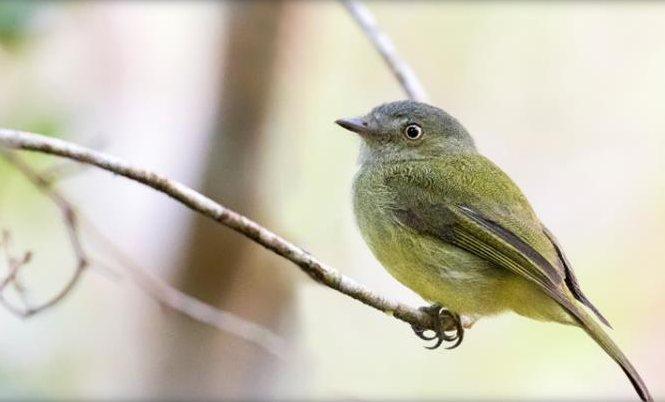
The range-restricted Wied’s Tyrant-Manakin (Neopelma aurifrons), Yellow-eared Woodpecker (Veniliornis maculifrons), Russet-winged Spadebill (Platyrinchus leucoryphus).
Southeast + South Tour, Day 3
Day
4

Santa Teresa - Vargem Alta

AM Birding in Santa Teresa and transfer to Vargem Alta (+/-3hrs [150Km]) for PM Birding.

Read more · 1 photo

The area

A small village in the Mountains of Espírito Santo. Most properties in this village are based on agriculture, even so there are still significant remnants of Atlantic Forest in this region. The special location is a private area (Mata dos Caetés) with a marvelous Atlantic Forest patch in a good stage of conservation, full of bromeliads, orchids and tall trees. The star here and our main target is the Cherry-throated Tanager (Nemosia rourei), an incredible tanager that eats mainly insects and lives in the canopy. Until February of 1998, this species was known only by one specimen deposited in a museum in Berlin, when it was finally rediscovered at Conceição do Castelo (Espírito Santo). After the rediscovery, this species was found at Mata dos Caetés in 2003. The expected population of this species is less than 20 individuals, and most of them are at Mata dos Caetés. Most of the recent records for the species have also been in Mata dos Caetés. The probabilities of finding the species are not high because of the few existing individuals with a probably huge territory. Let us cross our fingers and hope for the best. Encountering this rare species is a privilege for few. Beyond the Cherry-throated Tanager, there are over 270 other Atlantic Forest bird species in this area. The elevation in the area is around 1000 meters.
Target birds

Cherry-throated Tanager (Nemosia rourei), Giant Snipe (Gallinago undulata), Yelloweared Woodpecker (Veniliornis maculifrons), Yellow-browed Woodpecker (Piculus aurulentus), Greenish Tyrannulet (Phyllomyias virescens), and Ochre-rumped Antbird (Drymophila ochropyga).

Cherry-throated Tanager
Day
5

Vargem Alta

AM and PM Birding in Vargem Alta.

Day
6

Vargem Alta - Caparaó NP

AM Birding and transfer to Caparaó National Park (+/-3hrs [165Km]). PM Birding.

Read more · 1 photo

The area

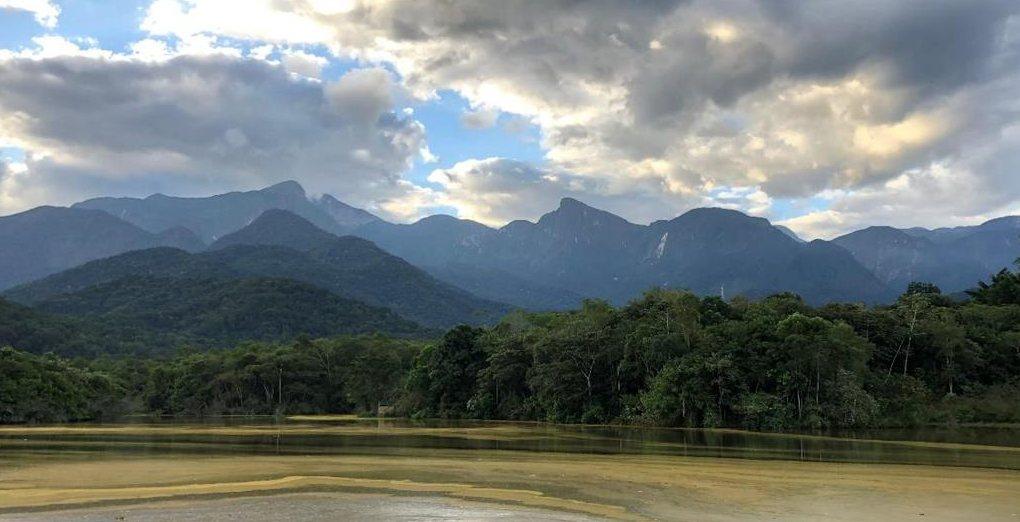
The Caparaó National Park encompasses amazing landscapes in the mountains of Espírito Santo and Minas Gerais States, with fascinating mountains, waterfalls, flora and fauna that lives in 62,000 hectares of protected areas. The diversity of environments from mountain Atlantic Forest to high altitude grasslands in an elevation from 1,000 meters to almost 3,000 meters contributes to the high biodiversity in this area. There are more than 350 species at this area, and the special bird here are the endemics of highaltitude grasslands, such as the Itatiaia Spinetail, an endemic Brazilian bird restricted to few mountaintops in southeast Atlantic Forest. It ranges from 2,000 and 2,850 meters at Caparaó National Park foraging in bamboo stands.

Target birds

Mouse-colored Tapaculo (Scytalopus speluncae), Rufous-tailed Antbird (Drymophila genei), Itatiaia Spinetail (Asthenes moreirae), Greenish Tyrannulet (Phyllomyias virescens), Streamer-tailed Tyrant (Gubernetes yetapa), Half-collared Sparrow (Arremon semitorquatus), Buff-throated Warbling Finch (Microspingus lateralis), Brassy-breasted Tanager (Tangara desmaresti), Diademed Tanager (Stephanophorus diadematus), Large-tailed Antshrike (Mackenziaena leachii).

Southeast + South Tour, Day 6
Day
7

Caparaó NP - Nova Friburgo

AM Birding and transfer to Nova Friburgo (+/-5hrs [290Km]) for PM Birding.

Read more · 3 photos

The area

Located in the mountainous region of Rio de Janeiro State, the main location for us here will be the Pico da Caledônia, in Serra dos Órgãos, 2,255 meters in altitude, one of the highest mountains in Rio de Janeiro. To reach an altitude where it is possible to see the Grey-winged Cotinga, we must park the car in a determined spot and we will have to do a moderate hike along the road, from 1800m to 2000m to reach the ideal spot to scan for our main target.

Target birds

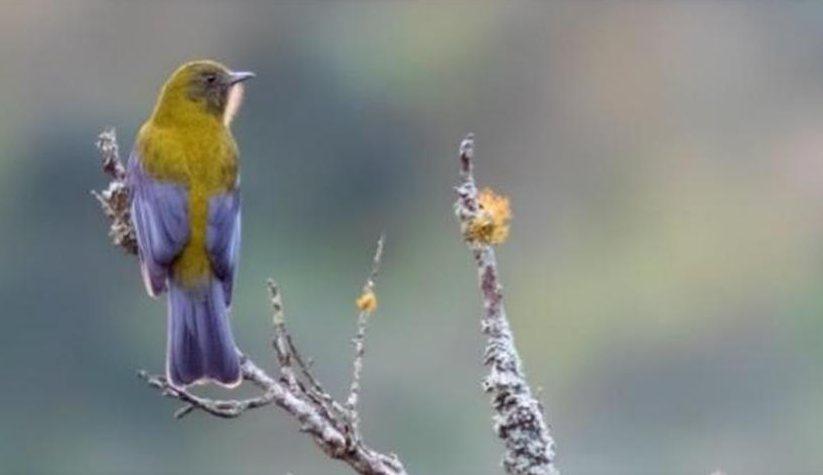
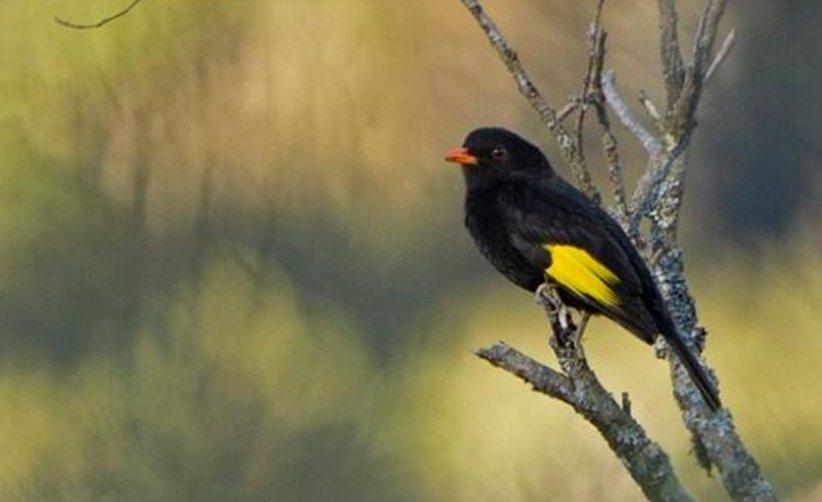
The main target here is the rare and range-restricted Grey-winged Cotinga (Tijuca condita). Another big target will be the Black-and-gold Cotinga (Tijuca atra), of course. The combination of their songs will produce a soundscape you will never forget. We will also search for some Atlantic Forest Highland-loving birds such as the colorful Diademed Tanager (Stephanophorus diadematus), Large-tailed Antshrike (Mackenziaena leachii), Serra do Mar Bristle Tyrant (Pogonotriccus difficilis), Rufous-backed Antvireo (Dysithamnus xanthopterus), Dusky-tailed Antbird (Drymophila malura), Grey-bellied Spinetail (Synallaxis cinerascens), Baychested Warbling Finch (Castanozoster thoracicus), Yellow-browed Woodpecker (Piculus aurulentus) and many others.

Southeast + South Tour, Day 7
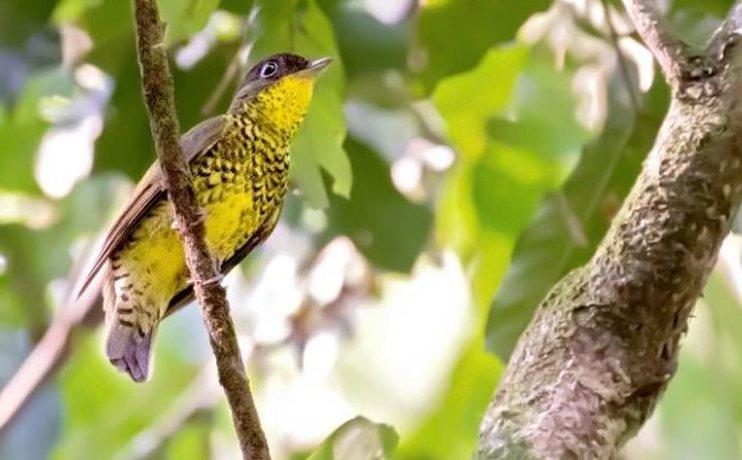
Black-and-gold Cotinga
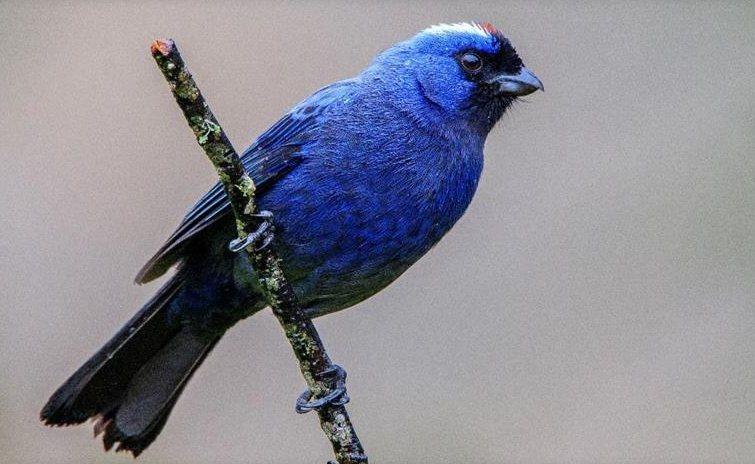
Diademed Tanager
Diademed Tanager
Day
8

Nova Friburgo

AM and PM Birding in Nova Friburgo. We will start the day birding in the Elfin Forest looking for mountain birds, especially the Grey-winged Cotinga. Cross your fingers, this is not an easy target.

Day
9

Nova Friburgo - REGUA

AM Birding if needed and transfer to REGUA (Cachoeiras de Macacu) (+/1½hrs [70Km]). Depending on what time we leave Nova Friburgo, there will be AM and PM Birding in REGUA.

Read more · 3 photos

The area

REGUA (Ecological Reserve of Guapiaçu) is a Private Reserve with more than 9,000 hectares of protected forest. Nicholas Locke and his family dedicate their lives to protect and conserve this region purchasing areas to protect and restore the Atlantic Forest. The area comprises exuberant patches of Atlantic Forest and good lodging; overall a great place to go birding (to see more https://vimeo.com/129346540).

Target birds

Rufous-capped Motmot (Baryphthengus ruficapillus), Brazilian Laniisoma (Laniisoma elegans), Yellow-eared Woodpecker (Veniliornis maculifrons), White-throated Hummingbird (Leucochloris albicollis), Giant Snipe (Gallinago undulata), Eye-ringed Tody-Tyrant (Hemitriccus orbitatus).

Southeast + South Tour, Day 9
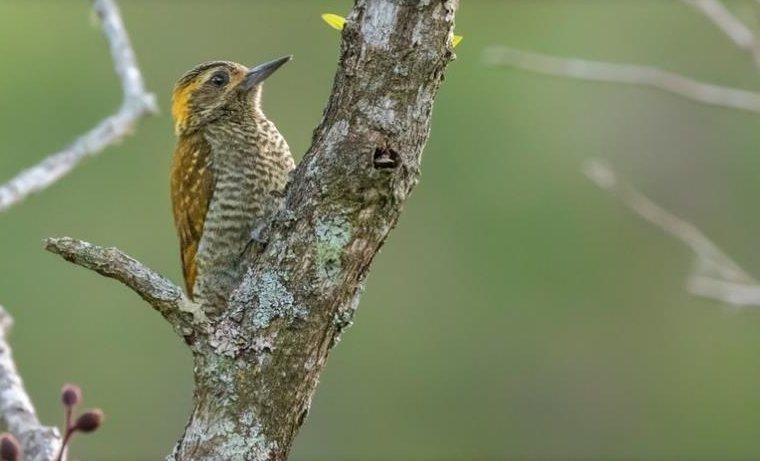
Yellow-eared Woodpecker
Day
10

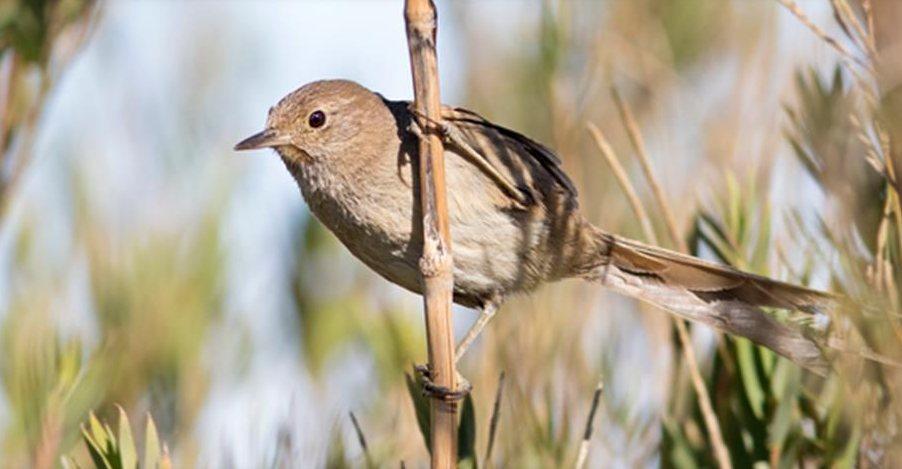
Early transfer to Arraial do Cabo (+/-2½hrs [160Km]) specifically for the Serra [Restinga] Antwren (Formicivora serrana littoralis), where we will be birding at sea-level in restinga environment

Early transfer to Arraial do Cabo (+/-2½hrs [160Km]) specifically for the Serra [Restinga] Antwren (Formicivora serrana littoralis), where we will be birding at sea-level in restinga environment. Some world lists treat the Restinga Antwren as being part of the Serra Antwren complex, however, several ornithologists (including the Brazilian Classification Committee - Cbro) believe that this isolated population, which is also quite different in morphology is indeed a valid species and sadly endangered of extinction due to habitat loss.

Read more · 3 photos

The area

The coastal southernmost municipality of Rio de Janeiro State, Paraty is one of the most famous touristic destinations of the state, well known for its preserved colonial architecture and beautiful beaches. The city’s cultural vibes blend in well with the lush green forest corridor of the Serra do Mar (direct translation: “Mountains of the Sea”).

Target birds

Our main target here is of course the endangered and range-restricted Black-hooded Antwren (Formicivora erythronotos).

After seeing out target, we head to Paraty (+/-6hrs [400Km]).

Restinga Antwren
Restinga Antwren
Southeast + South Tour, Day 10
Day
11

Paraty - Ubatuba

AM Birding in Paraty and transfer to Ubatuba (+/-1½hrs [75Km]). PM Birding.

Read more · 2 photos

The area

The coastal northernmost municipality of São Paulo is almost totally covered by Atlantic Forest, with many kinds of environments, going from the sea to the mountains. The variety of environments contributes to the rich biodiversity in the area, where it is possible to find more than 450 bird species. Most of the forest is protected by the Serra do Mar State Park, which comprises almost the entire São Paulo State Coast with 332,000 hectares. We will stay at a family-owned lodge called “Ninho da Cambacica”, where they have some nice feeders. You can visit their website for more information: https://ninhodacambacica.com.br/

Target birds

Brazilian Ruby (Heliodoxa rubricauda), Festive Coquette (Lophornis chalybeus), White-throated Hummingbird (Leucochloris albicollis), Spotted Bamboowren (Psilorhamphus guttatus), Eye-ringed Tody-Tyrant (Hemitriccus orbitatus), Sao Paulo Bristle Tyrant (Pogonotriccus paulista).

Southeast + South Tour, Day 11
Day
12

Ubatuba - Campos do Jordão

AM Birding. Transfer to Campos do Jordão (+/-3hrs [150Km]). PM Birding.

Read more · 4 photos

The area

Situated in the Serra da Mantiqueira mountain range, Campos do Jordão is the highest Brazilian city with an altitude of 1,628m. A famous touristic destination, especially in the winter, due to its low temperatures and European architecture. There are a lot of forest patches nearby with significant remnants of Araucaria Forest. We will be birding in a few of these patches so there will be quite some driving.

Target birds

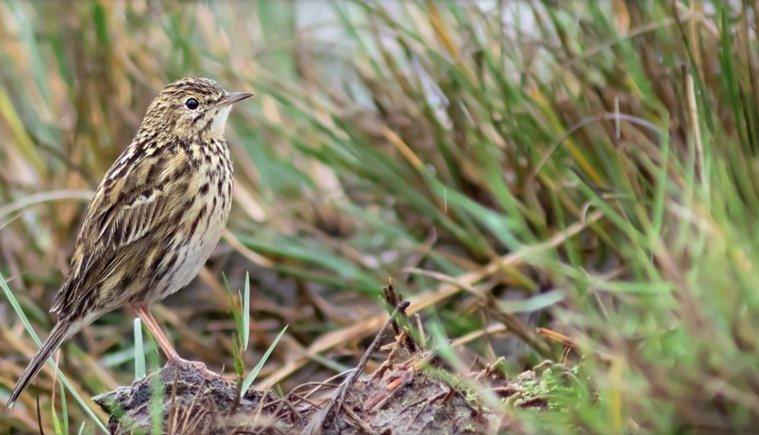
We will have to keep an eye out for the threatened Vinaceous-breasted Parrot (Amazona vinacea) and the Black-capped Piprites (Piprites pileata), our main targets in this location. Other targets are Red-breasted Toucan (Ramphastos dicolorus), Green-crowned Plovercrest (Stephanoxis lalandi), Striped Owl (Asio clamator), Brown-breasted Bamboo Tyrant (Hemitriccus obsoletus), Araucaria Tit-Spinetail (Leptasthenura setaria), Greenish Tyrannulet (Phyllomyias virescens), Hellmayr’s Pipit (Anthus hellmayri), Rufous-tailed Antthrush (Chamaeza ruficauda), Long-trained Nightjar (Macropsalis forcipata).

Southeast + South Tour, Day 12
Vinaceous-breasted Parrot
Southeast + South Tour, Day 12
Day
13

Campos do Jordão - Salesópolis

AM Birding and transfer to Salesópolis (+/-2hrs [130Km]). PM Birding.

Read more · 4 photos

The area

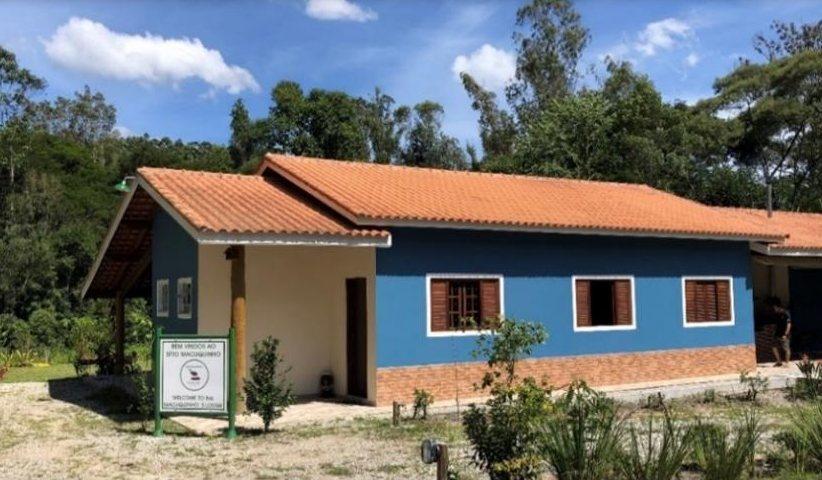
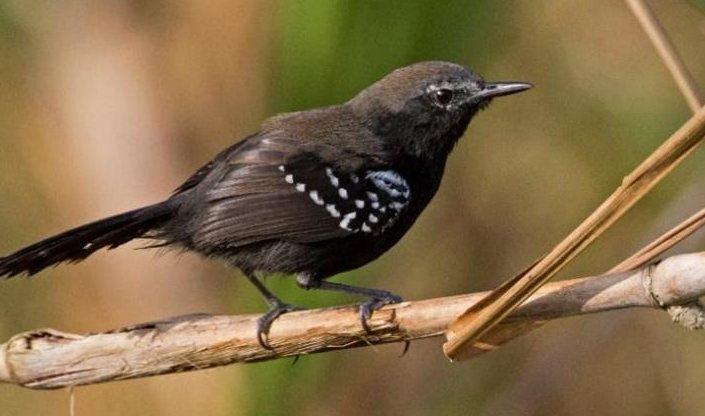
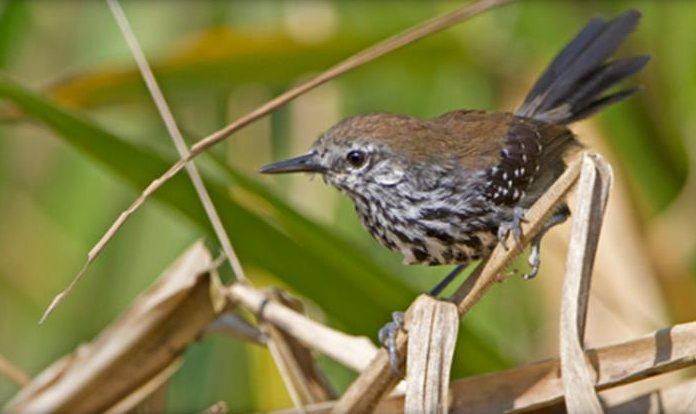
Salesópolis is one of the very few places in the world you can see this critically endangered species, the Marsh [Sao Paulo] Antwren (Formicivora acutirostris paludicola), only described to science in 2014 and still considered a subspecies by some world lists. The species is restricted to preserved marshes surrounded by Atlantic Forest. Here, we’ll stay at Sítio Macuquinho. It is only 100km away from the biggest brazilian city (São Paulo) and due to this proximity, it is one of the most visited feeders in the state of São Paulo, therefore always maintained with care and professionalism. Besides the high rate of visitation, the hosts, Elvis and Nanda are always careful that there is only a limited number of people per day. A group of 12 is usually their limit. They are always taking care of their visitors offering great food and there is always some snacks and coffee to keep the photographers going all day. They maintain a great fruit feeder as well as hummingbird feeders. Other than those, there is a hide inside the forest with a different set of possibilities to photograph. Visit their website for more information: https://www.sitiomacuquinho.com.br/

Target birds

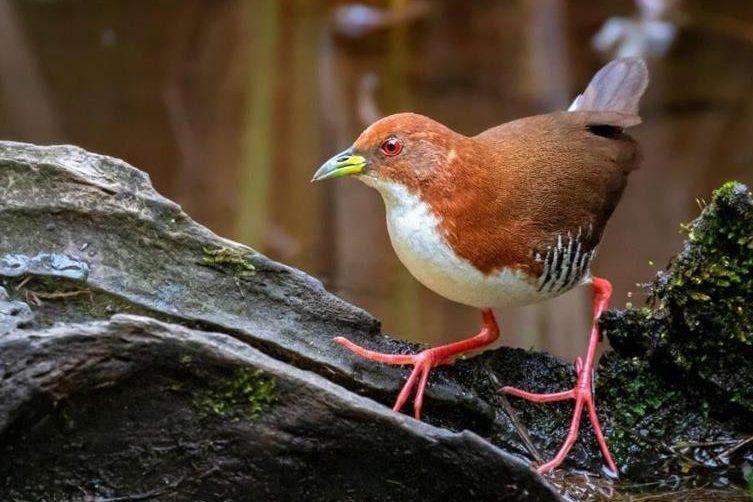
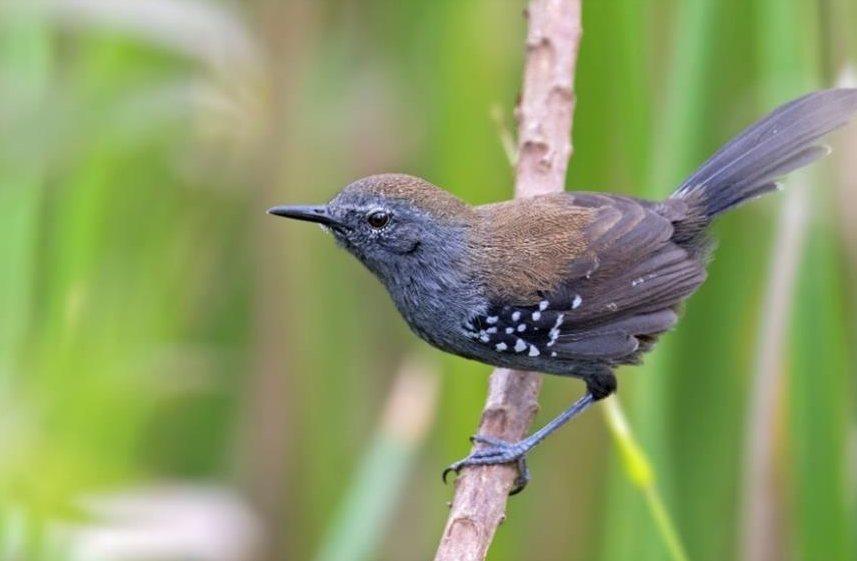
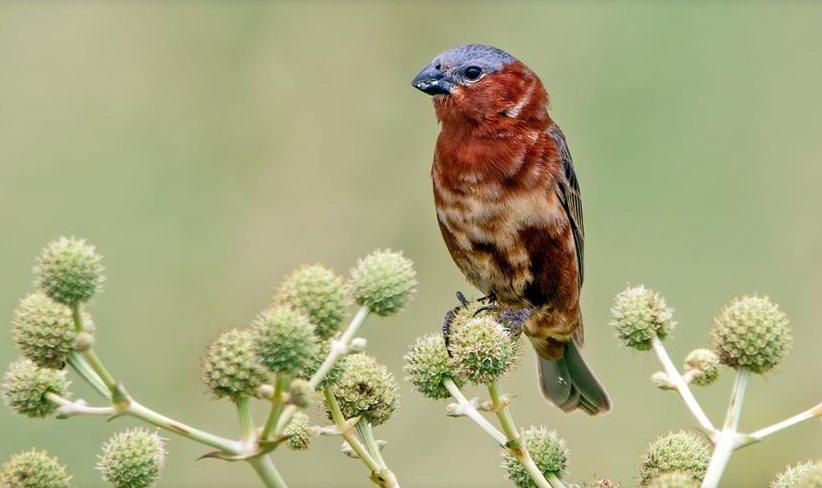
besides the critically endangered and range-restricted Sao Paulo Antwren (Formicivora acutirostris paludicola), our other targets are Bertoni’s Antbird (Drymophila rubricollis), Orange-breasted Thornbird (Phacellodomus ferrugineigula), Brown Tinamou (Crypturellus obsoletus), Golden-winged Cacique (Cacicus chrysopterus) and many others. While looking for the Sao Paulo Antwren in the open swamp, keep an eye out for Pileated Parrots (Pionopsitta pileata) that could possibly fly over us. And if we happen to be in the right place at the right time, we have chances of seeing the Blackish-blue Seedeater (Amaurospiza moesta). In a marsh nearby, Elvis is currently feeding a Red-and-white Crake (Laterallus leucopyrrhus) that gives us good photo opportunities.

Southeast + South Tour, Day 13
Sao Paulo Antwren – Male
Southeast + South Tour, Day 13
Red-and-white Crake
Red-and-white Crake
Day
14

Salesópolis - Peruíbe

AM Birding and transfer to Peruíbe (+/-4hrs [220Km]) for PM Birding.

Read more · 3 photos

The area

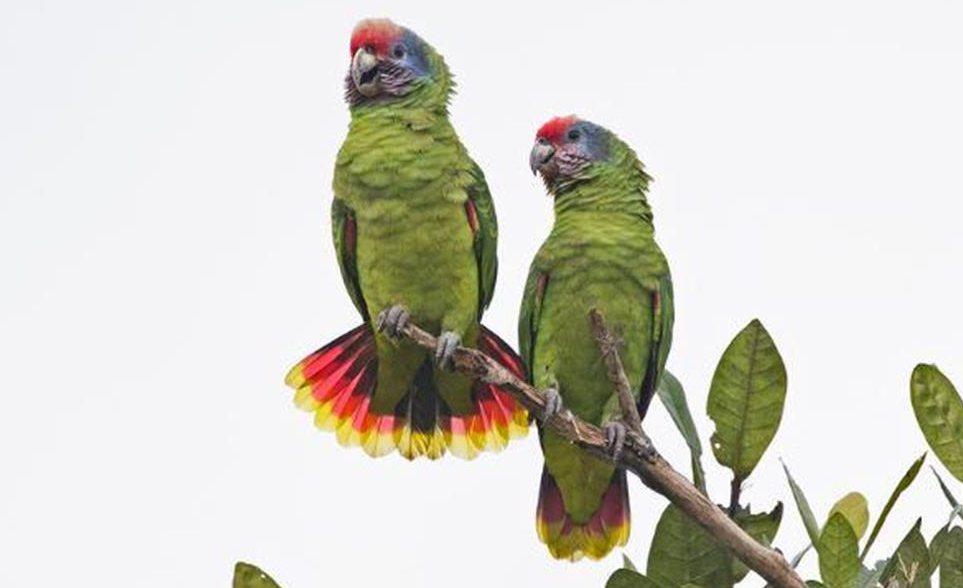
We will be birding in Restinga environment, on sandy and nutrientimpoverished soils that are frequently associated with low-elevation plains characterized by the presence of beach ridges and lagoonal systems. Only 150Km away from the capital, this region of Peruíbe is known for its touristic beaches and ecologic tourism. This is an interesting area to be on the tour, since it is the northern distribution limit of the range-restricted and endemic Red-tailed Parrot (Amazona brasiliensis) and for that reason, we will go to a neighboring city called Itanhaém to look for the parrot.

Target birds

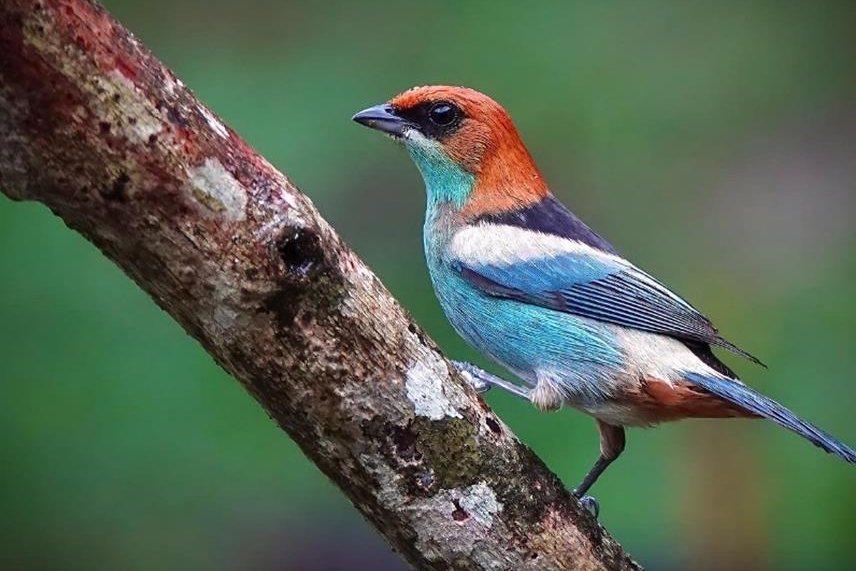
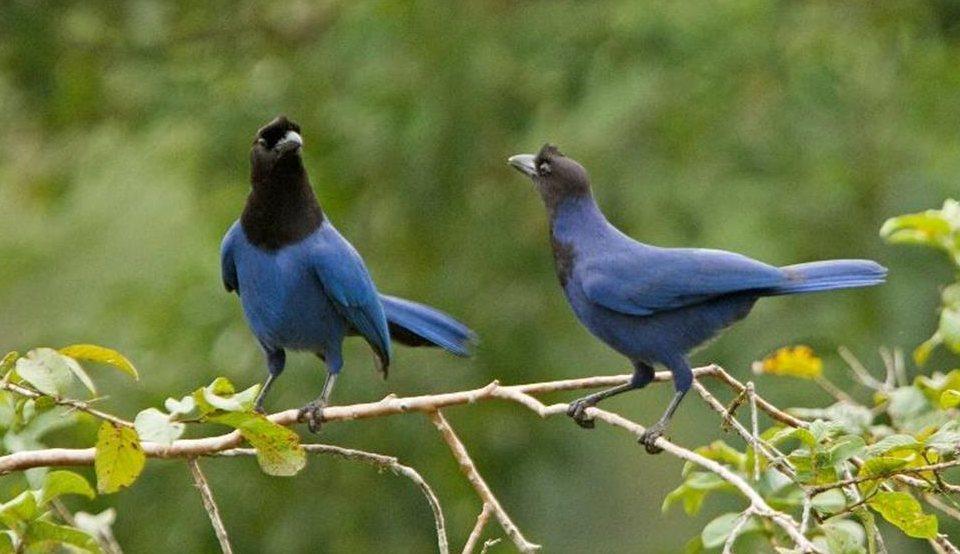
Red-tailed Parrot (Amazona brasiliensis), Azure Jay (Cyanocorax caeruleus), Blackbacked Tanager (Stilpnia peruviana), Buff-bellied Puffbird (Notharchus swainsoni), Squamate Antbird (Myrmoderus squamosus), Unicolored Antwren (Myrmotherula unicolor), Robust Woodpecker (Campephilus robustus), White-necked Hawk (Buteogallus lacernulatus), Ochrecollared Piculet (Picumnus temminckii).

Red-tailed Parrot
Red-tailed Parrot
Black-backed Tanager
Azure Jay
Azure Jay
Day
15

Peruíbe - Intervales State Park

AM Birding and transfer to Intervales State Park (Ribeirão

Read more · 2 photos

The area

Intervales is one of the most exciting places to bird in the southeast, comprising over 400 bird species! A great place to bird, with many roads and trails to explore inside the park. We will be sleeping and eating practically inside the forest as well, so in “resting hours” anyone can feel free to explore the surroundings.

Target birds

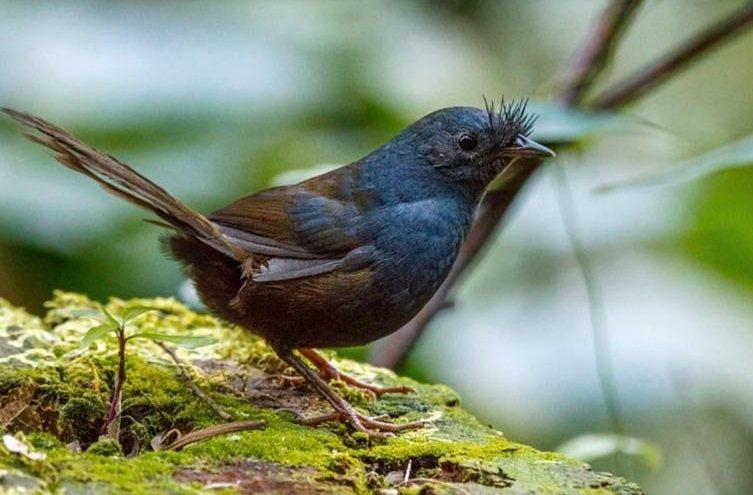
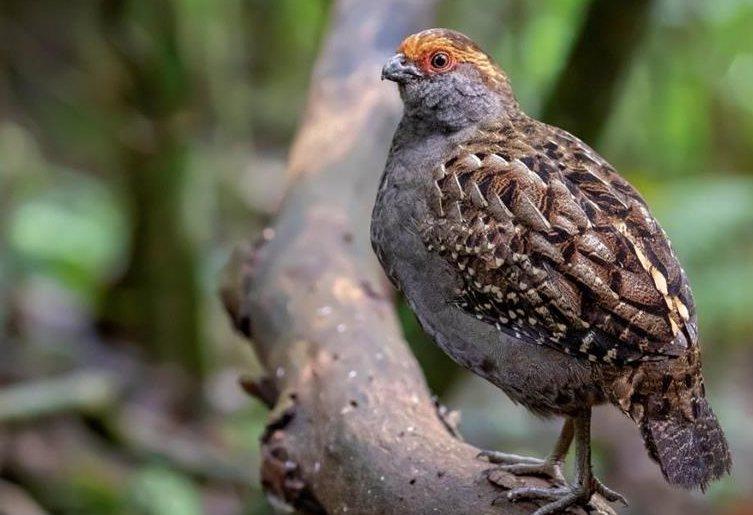
Intervales has a never-ending list of great birds to see. To name a few targets: Solitary Tinamou (Tinamus solitarius), Black-fronted Piping Guan (Pipile jacutinga), Spotwinged Wood Quail (Odontophorus capueira), Long-trained Nightjar (Macropsalis forcipata), Dusky-throated Hermit (Phaethornis squalidus), Purple-crowned Plovercrest (Stephanoxis loddigesii), Slaty-breasted Wood Rail (Aramides saracura), Red-and-white Crake (Laterallus leucopyrrhus), Rufous-thighed Kite (Harpagus diodon), Saffron Toucanet (Pteroglossus bailloni), Blue-bellied Parrot (Triclaria malachitacea), Pileated Parrot (Pionopsitta pileata), Giant Antshrike (Batara cinerea), Rufous-backed Antvireo (Biatas nigropectus), Variegated Antpitta (Grallaria varia), Slaty Bristlefront (Merulaxis ater), White-breasted Tapaculo (Eleoscytalopus indigoticus), Short-tailed Antthrush (Chamaeza campanisona), Cryptic Antthrush (Chamaeza meruloides), Pale-browed Treehunter (Cichlocolaptes leucophrus), Sharp-billed Treehunter (Heliobletus contaminatus), White-browed Foliage-gleaner (Anabacerthia amaurotis), Ochre-breasted Foliage-gleaner (Anabacerthia lichtensteini), Oustalet’s Tyrannulet (Phylloscartes oustaleti), Bay-ringed Tyrannulet (Phylloscartes sylviolus), Sooty Tyrannulet (Serpophaga nigricans), Rufous-tailed Attila (Attila phoenicurus), Rufous-crowned Greenlet (Hylophilus poicilotis), Green-chinned Euphonia (Euphonia chalybea), Brown Tanager (Orchesticus abeillei), Grey-throated Warbling Finch (Microspingus cabanisi), Black-legged Dacnis (Dacnis nigripes), and many, many others. Two birds people usually ask about are the Russet-winged Spadebill (Platyrinchus leucoryphus) and Helmeted Woodpecker (Celeus galeatus). Although possible, only 20-30% of the groups are lucky enough to see any of them.

Slaty Bristlefront
Slaty Bristlefront
Spot-winged Wood Quail
Days
16–17

Intervales State Park

AM and PM Birding in Intervales State Park.

Day
18

Intervales State Park - PETAR

AM Birding in Intervales State Park. Transfer to PETAR (Iporanga) (+/2½hrs [110Km]) for PM Birding.

Read more · 1 photo

The area

Located in the south of the state and a part of the same forest fragment as Intervales, PETAR (Touristic State Park of Alto Ribeira) has one of the highest concentrations of caves (more than 350) in the world. There are also dozens of waterfalls, traditional and quilombola communities, trails, and archaeological/paleontological sites. A true paradise, hidden between valleys and mountains and in the largest preserved Atlantic Forest patch in Brazil (approximately 250.000 hectares). It is from one of these traditional communities that our local guide is from and he will be very worthy in helping us find our targets.

Target birds

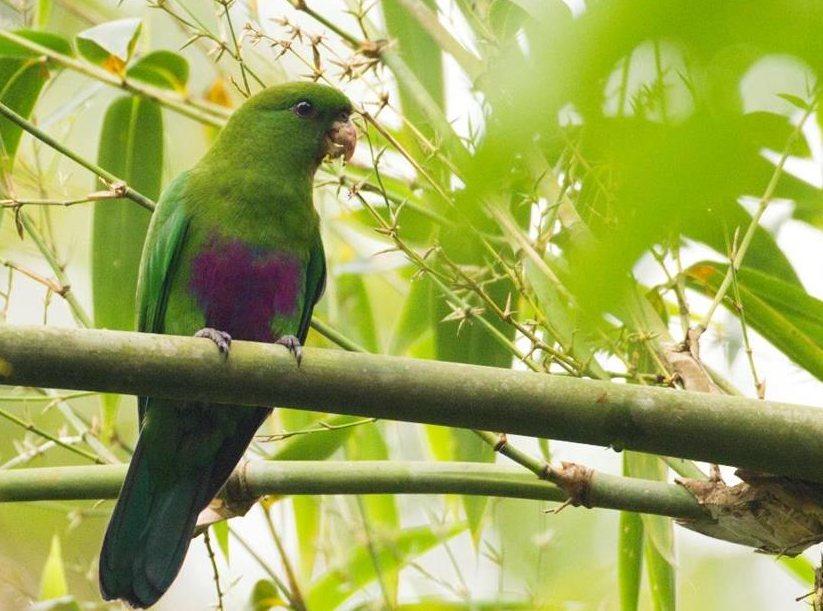
Here we will concentrate our efforts on some difficult species: Cryptic Antthrush (Chamaeza meruloides), Variegated Antpitta (Grallaria varia) and Blue-bellied Parrot (Triclaria malachitacea).

Blue-bellied Parrot
Blue-bellied Parrot
Day
19

PETAR - Curitiba

AM Birding and transfer to Curitiba (+/-4hrs [190Km]). PM Birding if we have time.

Read more

The area

Curitiba is the capital of Paraná State. We will connect the Southeast with South through this town spending a night. We will go birding in the surroundings where we will look for our first South Brazil specialties.

Target birds

Black-and-rufous Warbling Finch (Poospiza nigrorufa), Glaucous-blue Grosbeak (Cyanoloxia glaucocaerulea), Olive Spinetail (Cranioleuca obsoleta), Olivaceous Elaenia (Elaenia mesoleuca), and two very difficult ones: Canebrake Groundcreeper (Clibanornis dendrocolaptoides) and Marsh Tapaculo (Scytalopus iraiensis). We will do our best to try to see them.

Day
20

Curitiba - Joinville

AM Birding. Transfer to Joinville (+/2hrs [130km]). PM Birding.

Read more · 2 photos

The area

Joinville is the biggest city in Santa Catarina and, simultaneously, the city with the most species of birds in the state. Undoubtedly one of the most critical hotspots of the Atlantic Forest. This richness (more than 440 species) is due to the variety of environments and the altitudinal gradient that go from mangroves and lowland forests to montane forests up to 800 meters of altitude.

Target birds

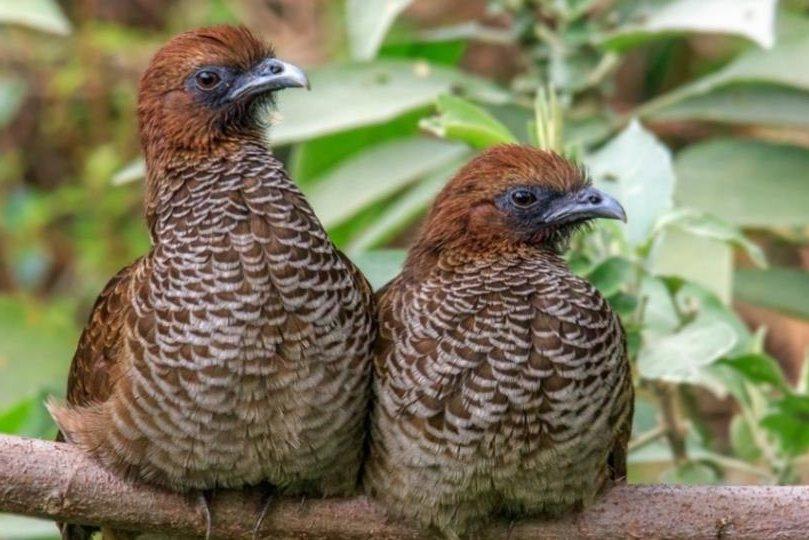
The main reason we visit this location is for some notable South Brazil endemics: the Kaempfer’s Tody-Tyrant (Hemitriccus kaempferi), Scaled Chachalaca (Ortalis squamata), Restinga Tyrannulet (Phylloscartes kronei) and Marsh Antwren (Formicivora acutirostris), the nominal species of the Sao Paulo Antwren that we looked for earlier on the tour. We also have chances for Black-backed Tanager (Stilpnia peruviana), Yellow-legged Tinamou (Crypturellus noctivagus) and many others.

Scaled Chachalaca
Scaled Chachalaca
Southeast + South Tour, Day 20
Day
21

Joinville

AM and PM Birding in Joinville.

Day
22

Joinville - Rio dos Cedros

AM Birding and transfer to Rio dos Cedros (+/-2hrs [100Km]). PM Birding.

Read more · 1 photo

The area

We will be based in Pomerode town surroundings. From there, we will drive to Rio dos Cedros, an Atlantic Forest patch mixed with Araucaria Forest, where we have chances to see some extraordinary birds.

Target birds

The main target here will be Creamy-bellied Gnatcatcher (Polioptila lactea). If we are very lucky, we might have an extra chance to find the Helmeted Woodpecker (Celeus galeatus). This is one of the rarest woodpeckers of the world and one of the most difficult to see, so let’s cross our fingers for the best of luck here.

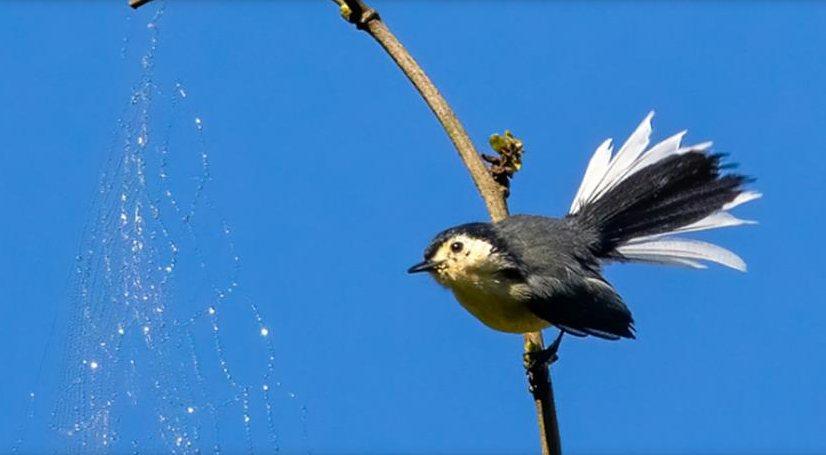
Creamy-bellied Gnatcatcher
Day
23

Rio dos Cedros - Urupema

AM Birding. Transfer to Urupema (+/-4hrs [255Km]) for PM Birding.

Read more · 2 photos

The area

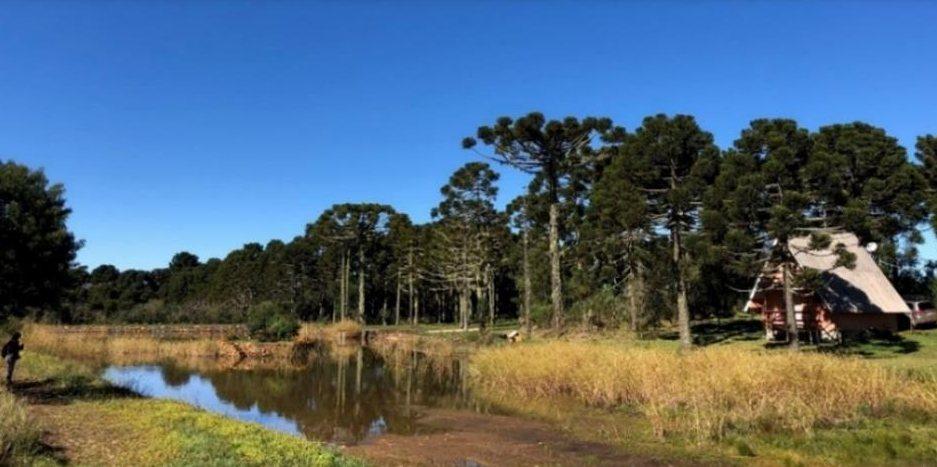
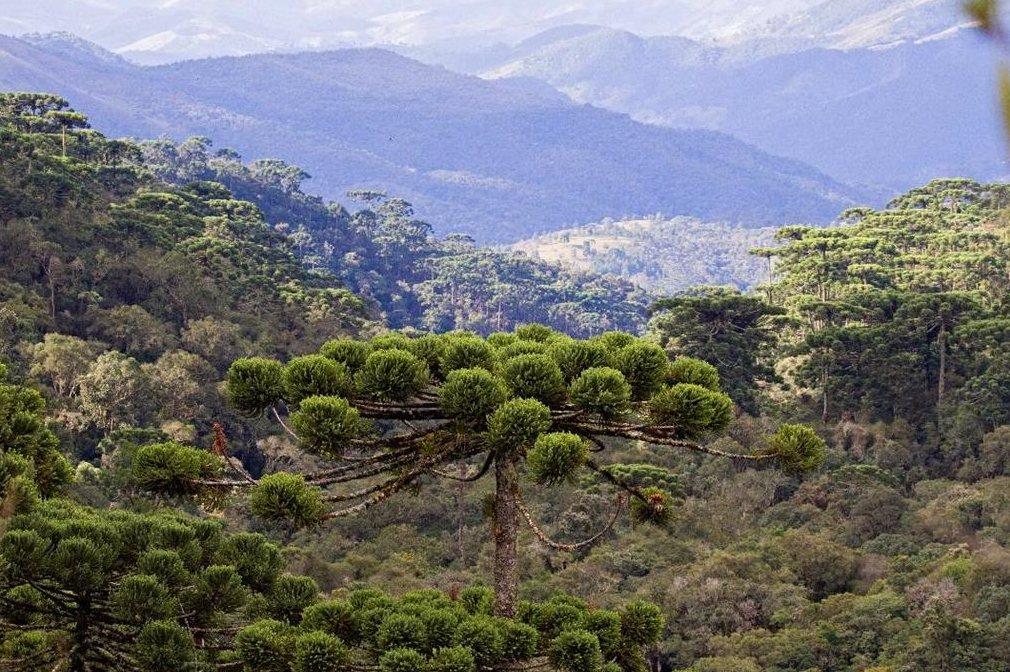
Located in the state of Santa Catarina, situated at 1450 meters, in a valley surrounded by the Morro das Torres, Urupema is considered the coldest town in Brazil, with temperatures reaching -9ºC during the winter. The landscape here is unique; a mix of rocky outcrops (campo rupestre) and Araucaria Forest, a subtype of Atlantic Rainforest where the Brazilian Pine Tree (Araucaria angustifolia) is the dominant tree species. Here, we will stay at Eco Pousada Rio dos Touros, which has a good structure for birding and many interesting species around the lodge.

Target birds

These environments are home to interesting endemic species such as the Striolated Tit-Spinetail (Leptasthenura striolata) and the Long-tailed Cinclodes (Cinclodes pabsti). We will also look for the Freckle-breasted Thornbird (Phacellodomus striaticollis), Grey-throated Warbling Finch (Microspingus cabanisi), Planalto Tapaculo (Scytalopus pachecoi), Hellmayr's Pipit (Anthus hellmayri), Black-and-White Monjita (Heteroxolmis dominicana), Thick-billed Saltator (Saltator maxillosus), Chimango Caracara (Milvago chimango), Long-tufted Screech Owl (Megascops sanctaecatarinae) and more. It is important to note that in this region there are some birds that could only be seen in certain time of the year. We will list the species and the time of year they could be seen: - Red-spectacled Parrot (Amazona pretrei): April and May. - Tropeiro Seedeater (Sporophila beltoni) and Black-bellied Seedeater (Sporophila melanogaster): November to February

Southeast + South Tour, Day 23
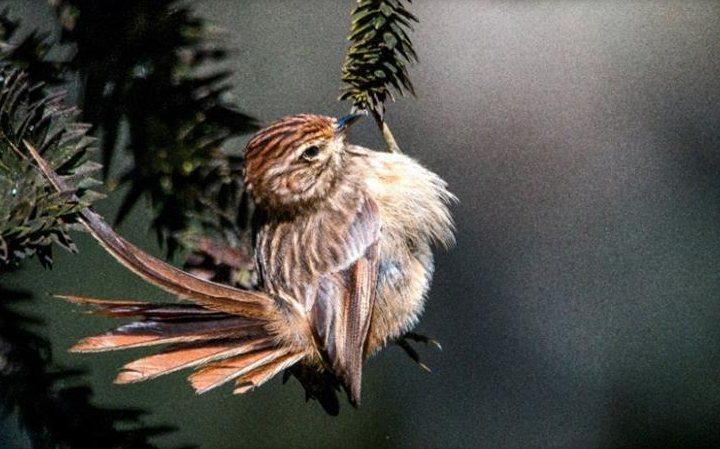
Striolated Tit-Spinetail
Day
24

Urupema - São Francisco de Paula

AM Birding and transfer to São Francisco de Paula (+/-5hrs [350Km]). PM Birding.

Read more · 2 photos

The area

São Francisco de Paula's municipality is 900 meters above sea level in the Rio Grande do Sul, the southernmost state of Brazil. Here we will look for some montane bird species in the Araucaria Forest of the São Francisco de Paula National Forest. We will also look for some natural fields and marsh birds on the route to the forest.

Target birds

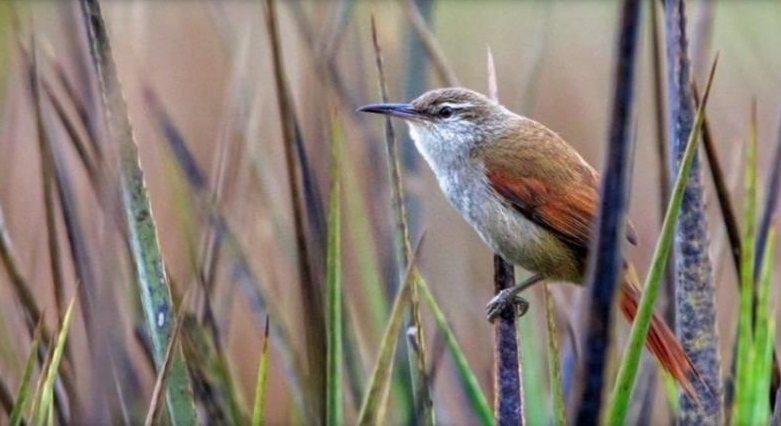
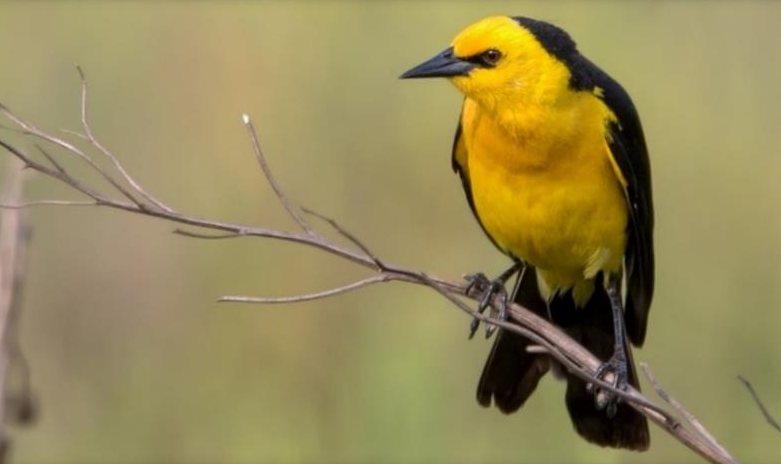
Our main targets are the Straight-billed Reedhaunter (Limnoctites rectirostris) and the Saffron-cowled Blackbird (Xanthopsar flavus). More chances for Rufous-tailed Attila (Attila phoenicurus), Black-and-rufous Warbling Finch (Poospiza nigrorufa), Olive Spinetail (Cranioleuca obsoleta), Chestnut-headed Tanager (Thlypopsis pyrrhocoma), Brown-breasted Bamboo Tyrant (Hemitriccus obsoletus), Blue-bellied Parrot (Triclaria malachitacea), Chestnutbacked Tanager (Stilpnia preciosa), Black-bellied Seedeater (Sporophila melanogaster), Tawny-bellied Seedeater (Sporophila hypoxantha), Tropeiro Seedeater (Sporophila beltoni), Speckle-breasted Antpitta (Cryptopezus nattereri) and other montane forest birds such as Violet-crowned Plovercrest (Stephanoxis loddigesii). If we are lucky, we could also have slight chances of seeing Red-spectacled Parrots (Amazona pretrei) flying over. Always keep an eye out.

Southeast + South Tour, Day 24
Saffron-cowled Blackbird
Day
25

São Francisco de Paula

AM and PM Birding in São Francisco de Paula.

Day
26

Transfer to Lagoa do Peixe (+/-4hrs [300Km]) for PM Birding

Transfer to Lagoa do Peixe (+/-4hrs [300Km]) for PM Birding.

Read more · 5 photos

The area

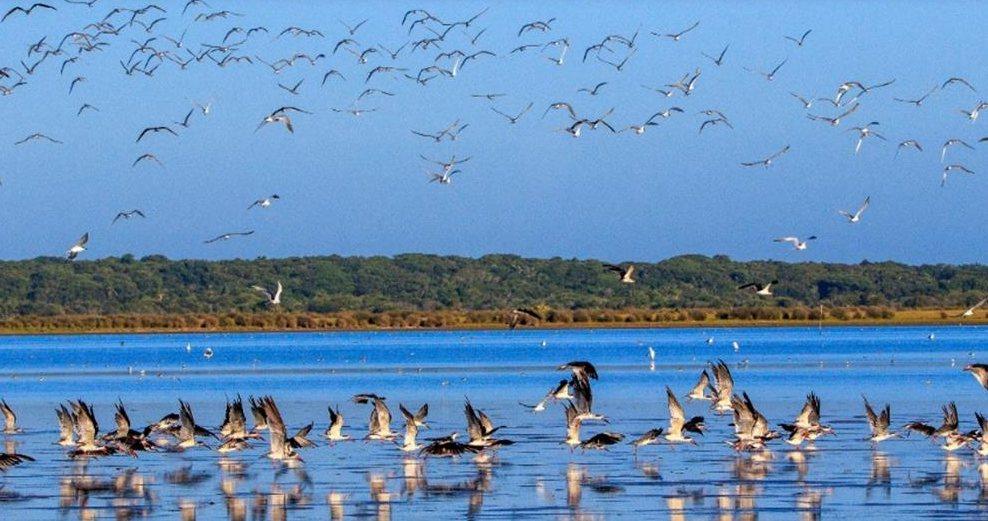
Located between the sea and the huge “Lagoa dos Patos”, the Lagoa do Peixe National Park is a Brazilian paradise for shorebirds. With 36,721 hectares, the mix of dunes, a vast coastline, marshes, makes Lagoa do Peixe the perfect place for more than 300 species of birds.

Target birds

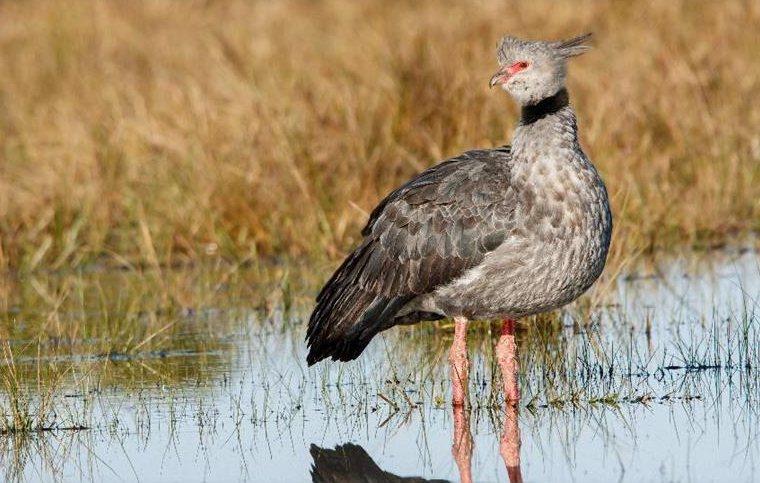
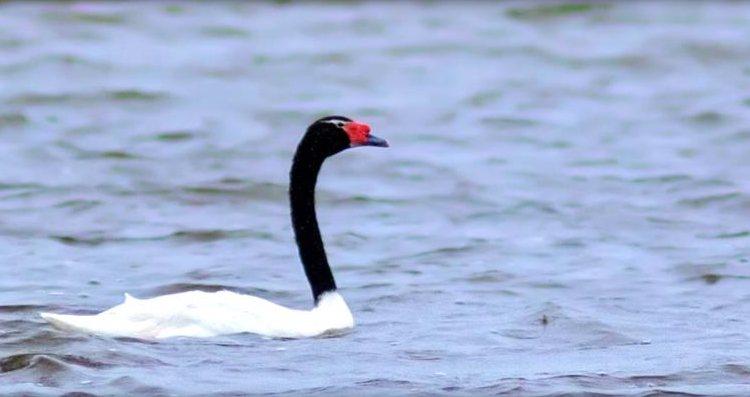
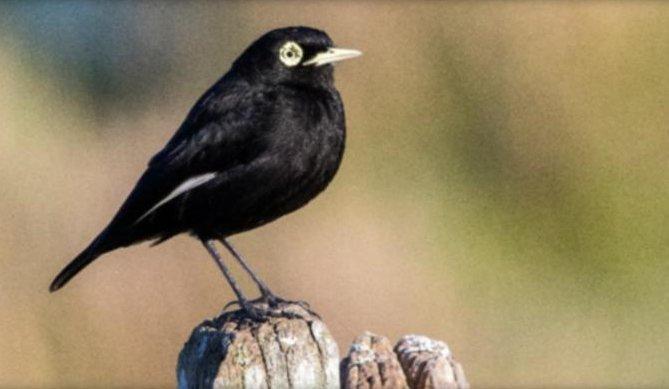
The primary targets in the National Park are Correndera Pipit (Anthus correndera), Spectacled Tyrant (Hymenops perspicillatus), Black-necked Swan (Cygnus melancoryphus), Coscoroba Swan (Coscoroba coscoroba), Bay-capped Wren-Spinetail (Spartonoica maluroides), and the Common Miner (Geositta cunicularia). Besides these, we can see others, like Southern Screamer (Chauna torquata), Ringed Teal (Callonetta leucophrys), Red Shoveler (Spatula platalea), Spot-flanked Gallinule (Porphyriops melanops), Red-fronted Coot (Fulica rufifrons), Red-gartered Coot (Fulica armillata), White-winged Coot (Fulica leucoptera), Brown-and-yellow Marshbird (Pseudoleistes virescens), Short-billed Pipit (Anthus furcatus), Scarlet-headed Blackbird (Amblyramphus holosericeus), Greyish Baywing (Agelaioides badius), Brown-hooded Gull (Chroicocephalus maculipennis), Plumbeous Ibis (Theristicus caerulescens), South American Painted-Snipe (Nycticryphes semicollaris), and a significant number of terns, plovers, and sandpipers.

Southeast + South Tour, Day 26
Day
27

Lagoa do Peixe

AM and PM Birding in Lagoa do Peixe.

Day
28

Lagoa do Peixe - Bagé

Transfer to Bagé (+/-6hrs [380Km]) for PM Birding.

Read more · 1 photo

The area

The city of Bagé is located in the extreme south of Rio Grande do Sul State, on the borders of Uruguay. The municipality is in the Pampa biome, a vast Grassland area found in the Southernmost State of Brazil and other countries such as Uruguay, Argentina, and Paraguay. Here we will explore the environments of this biome, looking for some birds that live in this unique habitat from Brazil.

Target birds

Marsh Seedeater (Sporophila palustris), Chestnut Seedeater (Sporophila cinnamomea). We will try to see the rare Chiloe Wigeon (Mareca sibilatrix), let’s cross our fingers since it is not an easy target.

Chestnut Seedeater
Chestnut Seedeater
Day
29

Bagé - Barra do Quaraí

AM Birding and transfer to Barra do Quaraí (+/-6hrs [500Km]) for PM Birding.

Read more · 1 photo

The area

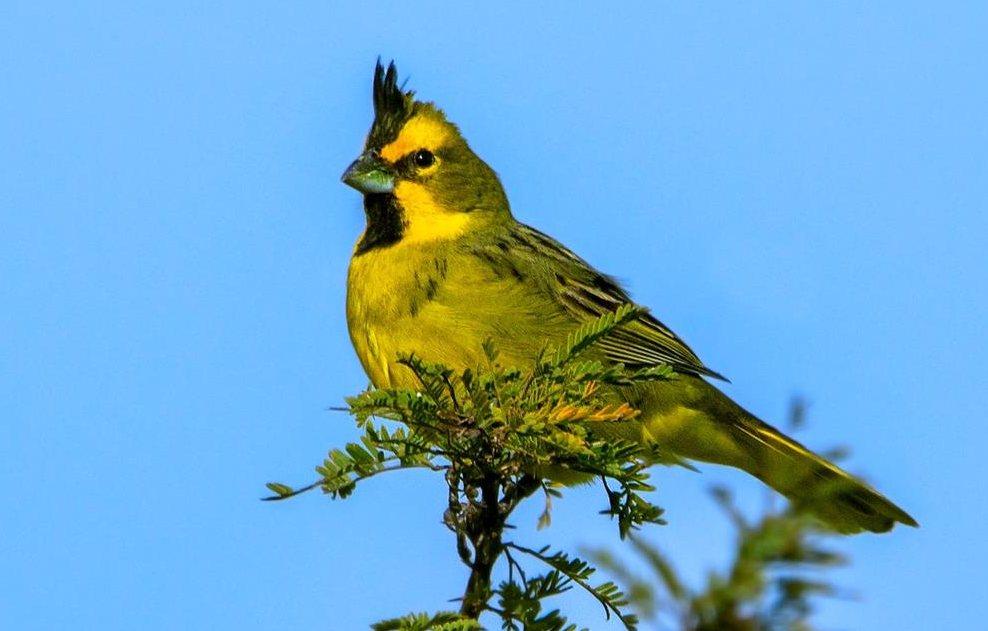
Barra do Quaraí is the municipality where the Espinilho State Park is located, the only place in Brazil where the endagered Yellow Cardinal (Gubernatrix cristata) has a viable population. The park is a house for many species exclusive of the extreme South of Brazil and Pampas and is visited by many patagonian migratory species during the winter, such as the Black-crowned Monjita (Neoxolmis coronatus). The park receives its name because of the dominant tree species of the landscape: a thorn tree called Espinilho (Vachellia caven).

Target birds

Here our main target is the endagered Yellow Cardinal (Gubernatrix cristata), but there are also other specialties such as the Black-capped Warbling Finch (Microspingus melanoleucus), Blue-tufted Starthroat (Heliomaster furcifer), Stripe-crowned Spinetail (Cranioleuca pyrrhophia), Short-billed Canastero (Asthenes baeri), Lark-like Brushrunner (Coryphistera alaudina), Little Thornbird (Phacellodomus sibilatrix), Tufted Tit-Spinetail (Leptasthenura platensis), Brown Cacholote (Pseudoseisura lophotes), Dark-throated Seedeater (Sporophila ruficollis), Marsh Seedeater (Sporophila palustris).

Yellow Cardinal
Yellow Cardinal
Day
30

Barra do Quaraí

AM and PM Birding in Espinilho State Park.

Day
31

Transfer to Uruguaiana (+/-1hr [75Km])

Transfer to Uruguaiana (+/-1hr [75Km]). Flight to Guarulhos Airport and transfer to Piracicaba (Tanquã) (+/-2½hrs [180Km]).

Read more · 2 photos

The area

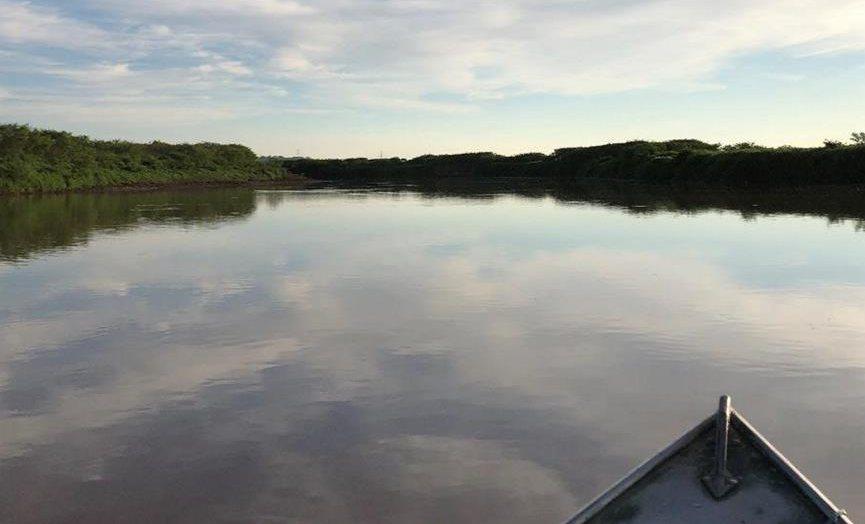
Tanquã is a small village located in an area known as “Mini Pantanal Paulista” in the city of Piracicaba. It is a flooded area around the Piracicaba River and a result of a dam created in the 60’s that attracts lots of aquatic birds. In 2014, there was a great movement of birdwatchers at Tanquã because there was another project of dam in this area that would flood everything, changing the environment for birds, biodiversity and even threatening the local community’s livelihood (the village depends on fishing and tourism). After the protests by birdwatchers and other groups, now the area is protected by State law and it became a Birding destination in São Paulo State. In general, a very fun and easy place to go birding.

Target birds

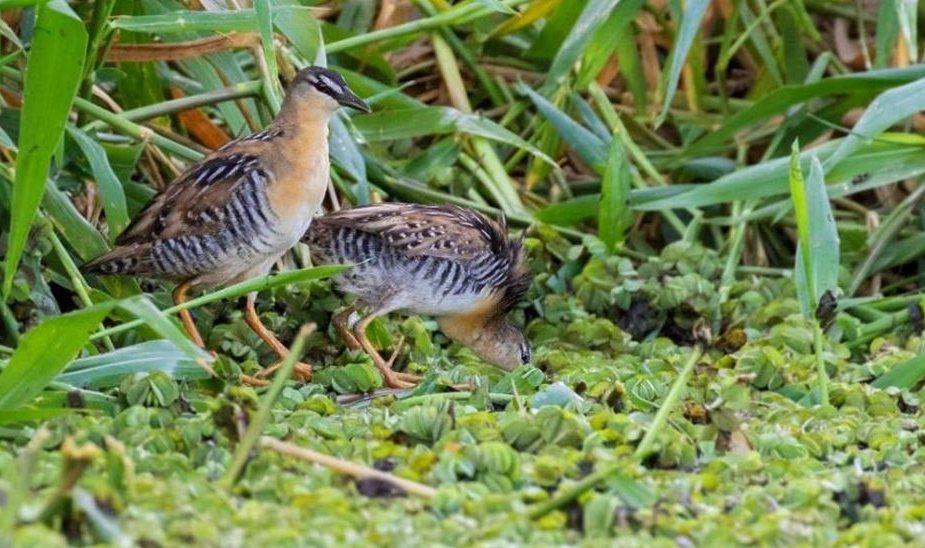
Silver Teal (Spatula versicolor), Rosy-billed Pochard (Netta peposaca), Yellowbreasted Crake (Laterallus flaviventer), Stripe-backed Bittern (Ixobrychus involucris), Crested Doradito (Pseudocolopteryx sclateri) and many other aquatic birds.

Southeast + South Tour, Day 31
Day
32

Piracicaba - Guarulhos

AM Birding and transfer back to Guarulhos Airport (+/-2½hrs [180Km]) for Departures.

Visual journey

Birds of this route

Red-billed Curassow
Red-billed Curassow
Cherry-throated Tanager
Black-and-gold Cotinga
Diademed Tanager
Diademed Tanager
Yellow-eared Woodpecker
Restinga Antwren
Restinga Antwren
Vinaceous-breasted Parrot
Sao Paulo Antwren – Male
Red-and-white Crake
Red-and-white Crake
Red-tailed Parrot
Red-tailed Parrot
Black-backed Tanager
Azure Jay
Azure Jay

Make it yours

Ready to plan your own tailored tour?

Every trip we design is unique, built around your wish list, dates and dream destinations.

Start planning my trip

This is a sample itinerary from a past custom trip. Every tailored tour is built around your dates, pace and target list.